Weather:
- Ha Noi 21oC
- Da Nang 24oC
- Ho Chi Minh 27oC
MOSCOW — The establishment of Quốc Tử Giám, Việt Nam’s first national university, 950 years ago marked a major milestone in the country’s educational and cultural history, reflecting the forward-looking vision of the Đại Việt (Great Việt) state in developing talent and nurturing intellectuals to serve the nation, according to Russia’s senior researcher in Oriental studies Dr Anatoly Sokolov.
In an interview with the Vietnam News Agency’s correspondents in Russia on the occasion of the 950th anniversary, Sokolov noted that although founded nearly a millennium ago, Quốc Tử Giám remains far more than a historical monument. It has continued to pass on the tradition of learning to successive generations and remained an integral part of Việt Nam’s cultural and educational life.
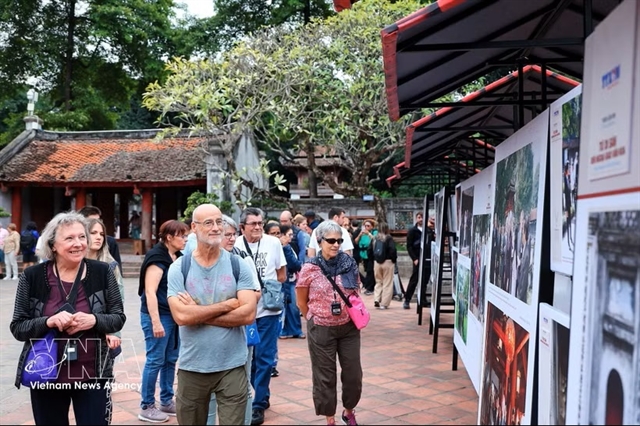
He observed that the Văn Miếu (Temple of Literature) – Quốc Tử Giám complex now attracts a large number of visitors from around the world, including foreign government delegations. Beyond preserving memories of Việt Nam’s educational history and Confucian examinations, it has also become a platform for cultural diplomacy, enabling the country to promote its soft power through knowledge, talent and national identity.
Sokolov noted that Việt Nam is making efforts to make Văn Miếu – Quốc Tử Giám more accessible and engaging for 21st-century audiences. The approach is in line with Politburo Resolution No 80-NQ/TW on cultural development, which highlights the role of science, technology, innovation and digital transformation. Interactive programmes, expanded information resources and the gradual application of modern technologies are helping visitors explore and better understand the site’s historical values.
He stressed that the complex’s enduring appeal also lies in its universal human values, including the pursuit of knowledge, respect for education, recognition of talent and appreciation of teachers. These values are shared across cultures and nations.
He concluded that Việt Nam’s hopes and future rest on well-educated people - its most valuable national resource, who will lead the country towards prosperity and facilitate its successful integration into the international community. — VNA/VNS
