Weather:
- Ha Noi 31oC
- Da Nang 28oC
- Ho Chi Minh 31oC
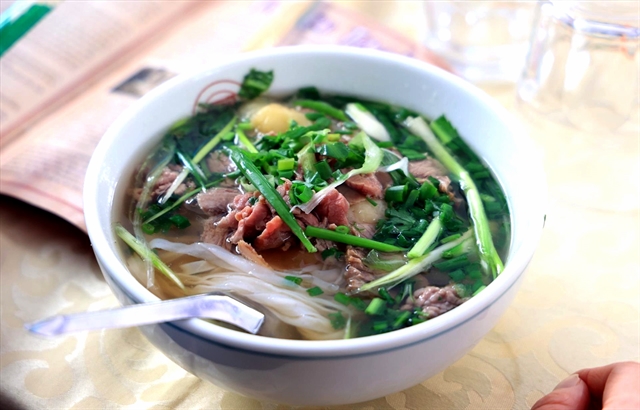
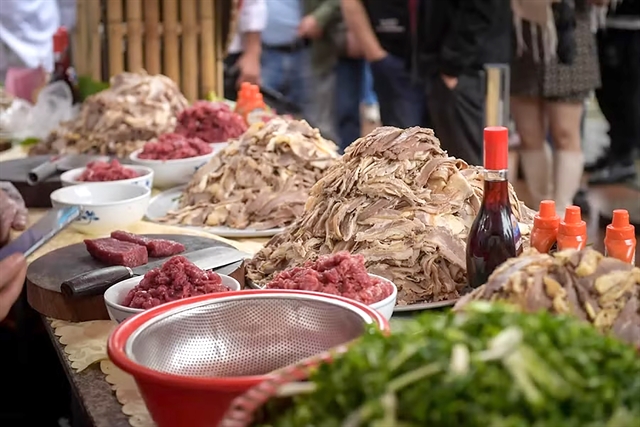
NINH BÌNH — Long before phở, the famed Vietnamese noodle soup, became one of the country’s most recognised culinary symbols worldwide, the people of Vân Cù village had already spent generations perfecting the craft of broth, noodles and beef that defines the beloved dish today.
Today, the village (now part of Nam Đồng Commune in Ninh Bình Province) is regarded by many culinary historians and artisans as one of the important cradles of traditional Vietnamese phở. More than a place famous for a beloved dish, Vân Cù represents a living culinary heritage where recipes, techniques and philosophies have been passed from generation to generation for over a century.
In Vân Cù, phở is not simply cooked. It is inherited.
The story begins in the early 20th century, when villagers earned a living mainly through making vermicelli noodles and rice sheets. During damp winter days, when the rice sheets could not dry properly under the sun, villagers had to sell them fresh. Unexpectedly, the soft and pliable sheets became popular among urban customers.
Over time, people began slicing the sheets into thin strands for convenience, gradually giving birth to what would later become phở.
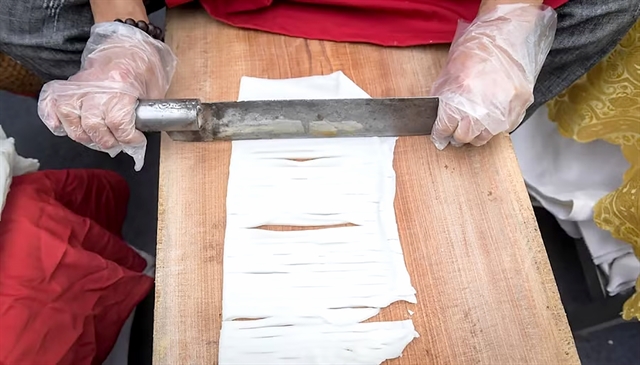
In its earliest form, the dish was often served with a broth made from freshwater crab – a familiar flavour of the Vietnamese countryside. But as ingredients evolved and urban demand grew, villagers experimented with pork bones and later beef bones to create a richer, more aromatic broth.
The transformation coincided with a period of rapid urban development in northern Việt Nam in the early 20th century, when factories, railways and major construction projects were reshaping daily life.
Sensing opportunity, Vân Cù villagers took their phở to cities such as Nam Định, Hà Nội and Hải Phòng. From humble street vendors balancing bamboo poles across their shoulders, they slowly built a reputation for bowls of fragrant beef noodle soup unlike any other.
By the 1920s and 1930s, many Vân Cù cooks had become well-known in Hà Nội, helping shape the flavour profile of traditional northern beef phở.
The broth behind the legacy
Despite the dish’s evolution, one thing remained unchanged: the devotion to craft.
In Vân Cù, phở-making follows the principle of cha truyền con nối – skills passed from father to son. Family recipes are closely guarded, often shared only within bloodlines. Some families have maintained the profession through four generations or more.
Among the village’s most prominent lineages is the Cồ family, whose name became closely associated with traditional beef phở.
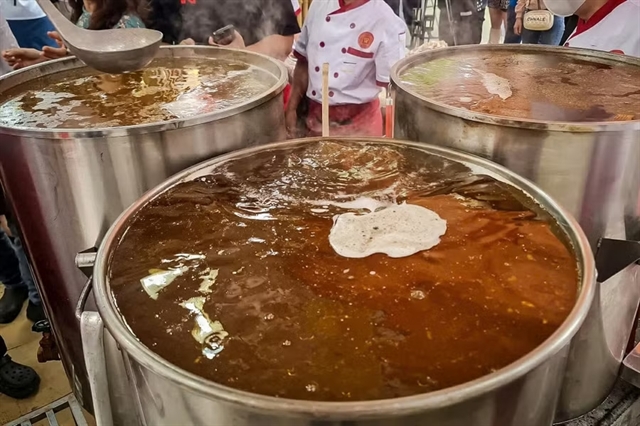
For artisan Cồ Hưng, phở is deeply connected in his memory. His family has worked in the trade for four generations, and he himself spent more than two decades running a phở restaurant in Hà Nội before returning to his hometown to open Phở Cồ Hưng.
According to Hưng, the soul of Vân Cù phở lies in the delicate balance between the noodles and the broth.
The noodles are made from carefully selected rice soaked for the proper amount of time, ground into fine liquid batter, then steamed into thin sheets before being sliced by hand. The ideal strand must be silky and soft while retaining a subtle chewiness.
The broth, meanwhile, demands patience bordering on obsession.
Large marrow-rich beef bones are first cleaned thoroughly and boiled briefly to remove impurities before simmering for hours over low heat. The broth is infused with roasted spices such as star anise, cardamom and cloves, alongside roots and vegetables that create natural sweetness without overpowering the beef aroma.
Every stage requires precision.
If the heat is too high, the broth becomes cloudy. If the meat is removed too early, it loses sweetness. Even fish sauce and salt are carefully selected from traditional coastal producers to maintain the authentic flavour.
“The broth must taste naturally sweet and clear, never harsh,” Hưng said.
“That balance is what generations before us spent their lives perfecting.”
The result is a bowl that appears deceptively simple: translucent broth shimmering over soft noodles and thin slices of tender beef. Yet within it lies more than a century of accumulated experience.
A bowl on the path to heritage recognition
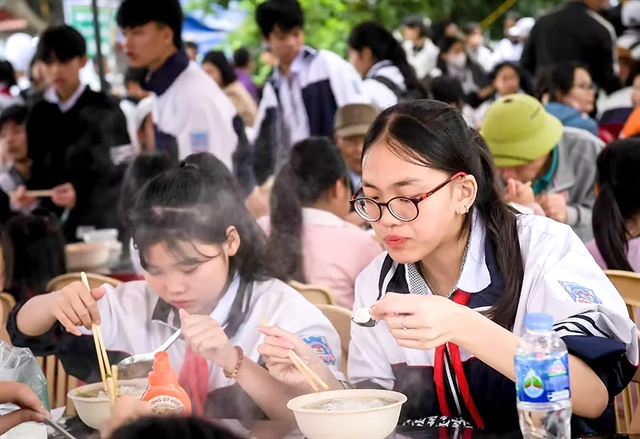
Today, Vân Cù phở is entering a new chapter.
As Việt Nam increasingly positions culture as a driver of sustainable development under the Politburo’s Resolution No 80-NQ/TW, traditional culinary villages are gaining renewed recognition not only for their economic value, but also for their role in preserving national identity.
For local authorities and culinary associations, phở is no longer viewed merely as a popular dish. It is a cultural asset worthy of long-term conservation and international recognition.
According to Chairwoman of the Ninh Bình Culinary Culture Association, Lê Thị Thiết, around 80 members of the Vân Cù phở community are currently living and working across Việt Nam and overseas, helping spread traditional Vietnamese phở to wider audiences.
Even as regional variations continue to emerge, Thiết believes traditional lines such as Vân Cù phở and Nam Định beef phở remain the 'roots' that define authentic flavour standards.
“The value lies not only in the taste, but in the techniques, philosophy and cultural continuity behind the dish,” she said.
The recognition of Nam Định phở as part of Việt Nam’s national intangible cultural heritage list has further strengthened ambitions to eventually seek UNESCO recognition for Vietnamese phở as a global cultural heritage element.
At the local level, Nam Đồng Commune is actively linking heritage preservation with tourism development. Plans include an 8.6-hectare cultural and culinary space near Vân Cù communal house, where visitors can experience the history, craftsmanship and flavours of traditional phở-making.
The upcoming Phở Festival 2026 is also expected to become a major cultural highlight, bringing together artisans, researchers and businesses while helping younger generations reconnect with the craft.
For many villagers, these efforts are about more than tourism or branding.
They are about protecting the spirit of a trade that sustained generations through hardship, migration and social change.
In an era when fast food and industrial cooking dominate modern life, Vân Cù’s artisans continue to wake before dawn, tend simmering broth pots and slice noodles by hand – preserving not only flavour, but memory.
And perhaps that is why a bowl of Vân Cù phở still tastes like something greater than food alone: a quiet testament to heritage, resilience and the enduring soul of Vietnamese cuisine. — VNS
