Weather:
- Ha Noi 26oC
- Da Nang 26oC
- Ho Chi Minh 26oC
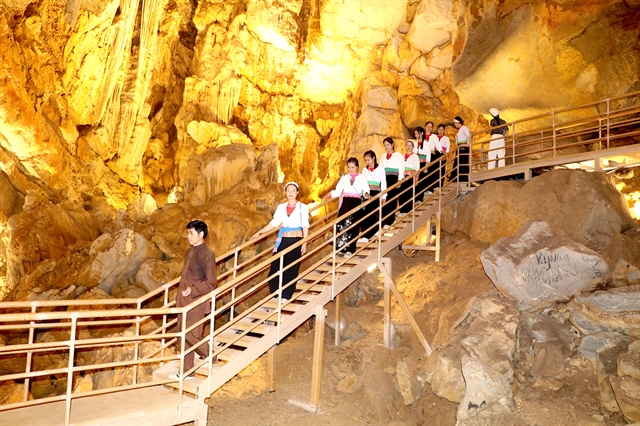
NINH BÌNH — Beyond spectacular landscapes and historic temples, the northern province of Ninh Bình is home to numerous archaeological sites that offer a window into the region’s distant past.
The province is looking to turn these scientific and historical treasures into distinctive tourism experiences, adding a new dimension to its established cultural and nature-based attractions.
The opening of the Hang Bói (Bói Cave) archaeological site to visitors is a new initiative to diversify tourism offerings in the province. Located in the Thung Ui Cultural Tourism Area in Tây Hoa Lư Ward, the site offers an opportunity to showcase valuable archaeological relics and shed further light on the rich historical and cultural heritage of the ancient capital.
Unlocking potential
According to specialists, Hang Bói bears evidence of prehistoric human settlement dating back more than 12,000 years in the Tràng An Landscape Complex.
To reach the archaeological site, visitors must climb stone steps along the mountainside, covering a distance of about one kilometre from the entrance to the Thung Ui forest and ascending more than 100 metres.
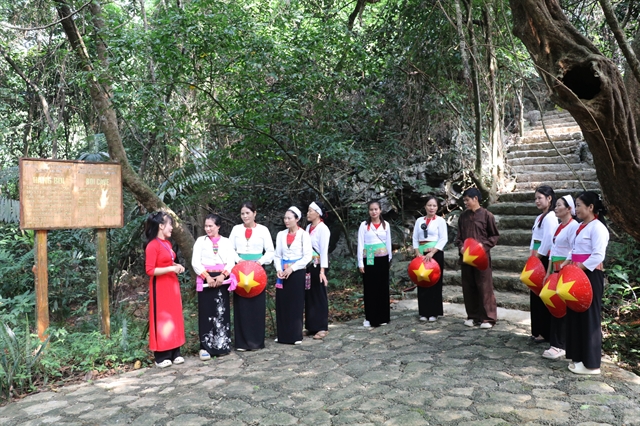
The physically demanding journey also offers an opportunity to explore the surrounding natural landscape before reaching the cave, which lies deep within the mountain.
Extending for about 60–70 metres, the cave comprises several chambers of different sizes, with stalactites and stalagmites formed through natural geological processes over millions of years.
Hang Bói’s significance lies not only in its natural beauty but also in the archaeological evidence it preserves of prehistoric human activity.
Since 2007, Vietnamese and foreign archaeologists have worked together to study Hang Bói, uncovering and documenting a wealth of archaeological evidence that has helped shed light on the lives of ancient inhabitants in Ninh Bình’s limestone landscapes.
At the cave entrance, archaeologists have found layers of mollusc shells, offering clues to how ancient inhabitants gathered food from nature.
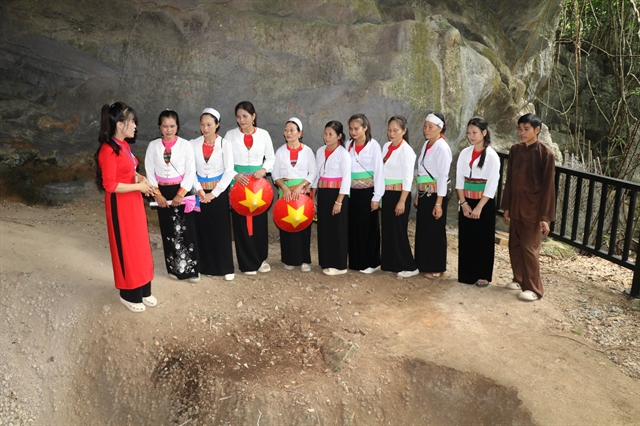
By examining geological layers, artefacts and other surviving traces, researchers can gain further insights into living conditions, daily practices and the relationship between prehistoric people and their natural environment.
“A visit to Hang Bói was a refreshing experience,” said visitor Bùi Thị Thúy, from Yên Sơn Ward in the province. “It allows visitors like me to explore the natural landscape and learn about traces of prehistoric settlement and daily life.
“The tour guide’s stories brought the past to life, making it more accessible and easier to visualise.”
New direction
Archaeological findings at Hang Bói provide a basis for linking archaeological research with educational activities, hands-on experiences and public heritage interpretation.
Building on these findings, the inclusion of the Hang Bói archaeological site in the visitor route at the Thung Ui Cultural Tourism Area opens up new opportunities to promote local heritage through tourism experiences that highlight its archaeological significance.
However, unlike conventional tourist attractions, tourism products associated with archaeological sites require careful preparation in terms of conservation plans, visitor management and interpretive content.
Tourism activities at the site must be tailored to the terrain, the condition of the site and its visitor capacity. Walking routes and tour plans should also minimise the impact on cave floors, sediment layers and archaeological remains
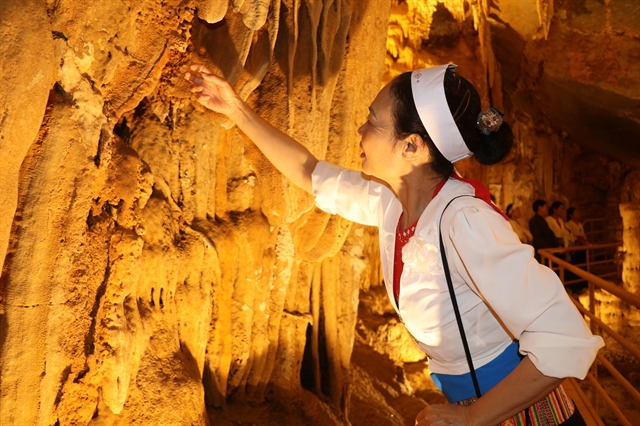
Phùng Thế Quỳnh, operations director of the Thung Ui Cultural Tourism Area, said the site had made thorough preparations to welcome visitors and ensure their safety throughout the tour.
“All tourism activities are guided by the principles of respecting and protecting heritage, preserving the natural environment and landscape, and promoting sustainable tourism development,” he added.
Going forward, the area is expected to continue surveying surrounding caves and exploring their archaeological, historical and cultural significance to develop new tourism products, with the goal of sharing the region’s heritage with domestic and international visitors.
According to Nguyễn Cao Tấn, deputy director of the Ninh Bình Department of Tourism, opening eligible heritage sites to visitors creates opportunities for them to learn first-hand about history and the lives of ancient inhabitants, helping convey the Outstanding Universal Value of the Tràng An Landscape Complex while developing engaging archaeological tourism products for domestic and international visitors.
“Developing Hang Bói as an archaeological tourism attraction offers the public greater access to evidence of prehistoric settlement in Tràng An,” he said.
“The success of this approach will depend on effectively integrating scientific research, heritage interpretation and visitor management while ensuring the long-term preservation of archaeological remains.” — VNS
