Weather:
- Ha Noi 27oC
- Da Nang 26oC
- Ho Chi Minh 27oC
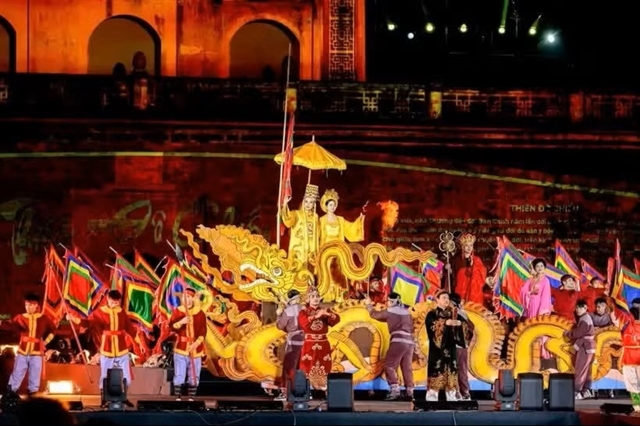
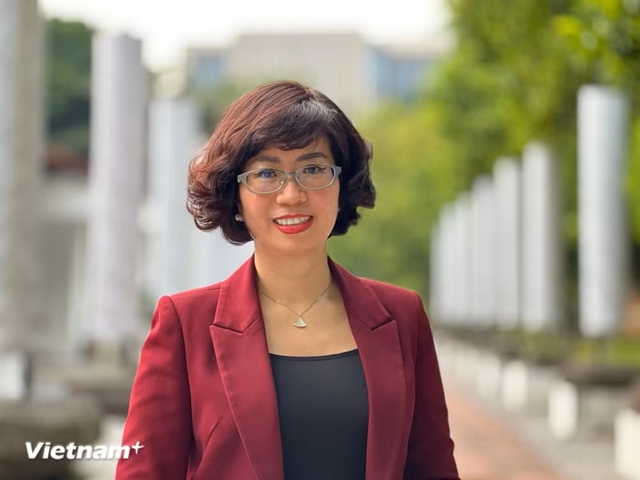
HÀ NỘI — The Asia-Pacific Dialogue on Heritage and Authenticity, held in Hà Nội and Ninh Bình province from September 27 October 1, is a showcase of Việt Nam-UNESCO cooperation as the two sides mark 50 years of bilateral ties, said Lê Thị Hồng Vân, Director General of the Department of Foreign Affairs and Cultural Diplomacy under the Ministry of Foreign Affairs and Secretary-General of the Vietnam National Commission for UNESCO.
Milestone of Việt Nam – UNESCO cooperation
Việt Nam co-hosted the dialogue at the request of the UNESCO World Heritage Centre, which sees the country as a model of cooperation among a state party, UNESCO and its advisory bodies on heritage conservation and promotion. The Thăng Long Imperial Citadel is among the most prominent examples, Vân told the Vietnam News Agency.
The event drew leading experts from the Asia-Pacific and beyond to discuss heritage, authenticity and ways to protect and uphold the value of World Heritage sites.
It also gave countries a platform to hear Việt Nam outline its culture and heritage policies and its approach to tying cultural development to sustainable development. Participants discussed Việt Nam's contributions to global efforts, including its proposal for an International Decade of Culture for Sustainable Development for 2027-2036.
The dialogue adopted the Hanoi Document on Heritage and Authenticity, which pulls together experiences and views from Asia-Pacific countries, including Việt Nam's record in conserving outstanding World Heritage sites.
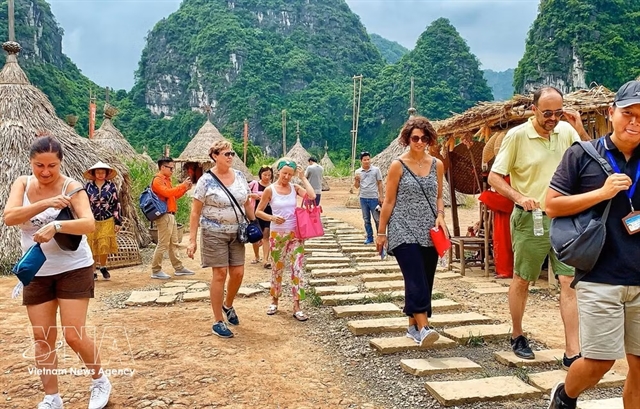
Delegates toured the Thăng Long Imperial Citadel and the Tràng An Landscape Complex in Ninh Bình. UNESCO designated Tràng An a World Cultural and Natural Heritage Site in 2014, making it the first and only mixed heritage site in Southeast Asia. The visits offered delegates a chance to add new perspectives ahead of the 55th anniversary of the 1972 Convention concerning the Protection of the World Cultural and Natural Heritage next year.
The aim is to make heritage a genuine asset, converting its potential into resources that drive socio-economic growth, support local livelihoods and, more broadly, benefit human civilisation.
Việt Nam sits on the World Heritage Committee for the 2023-2027 term, a seat Vân said reflects its recent conservation record. The country has nine World Heritage sites.
Heritage embodies core values handed down to future generations and preserves a nation's traditions and culture. It can also feed economic development and bolster Việt Nam's standing and soft power in the years ahead, she said.
Hà Nội has worked closely and effectively with UNESCO and its advisory experts in recent years, with the Thăng Long Imperial Citadel a leading symbol of that partnership. Việt Nam has reached a significant milestone in implementing the World Heritage Convention by securing international support for complex development and reconstruction projects in the core zone.
What matters is that partners have recognised Việt Nam's seriousness, responsibility and initiative in upholding the outstanding universal value of the site while managing it in line with the convention's requirements, she said.
That is also a key Vietnamese contribution to the Hanoi Document, which is expected to serve as a reference for global heritage efforts in the years ahead.
Unlocking potential of cultural resources
Vân said hosting the dialogue helps put the 14th National Party Congress and the Politburo's strategic resolutions, including Resolutions 80, 06 and 26, into practice.
The goal is to tap cultural and heritage diplomacy and cultural development so that cultural resources become a real engine of growth under new conditions.
The event also shows Việt Nam taking an active, responsible role in shaping new global strategies and policies on heritage and culture.
Vân called it an important milestone for multilateral and cultural diplomacy, which deepens Việt Nam's ties with the world and contributes to human civilisation. — VNA/VNS
