Weather:
- Ha Noi 32oC
- Da Nang 29oC
- Ho Chi Minh 30oC
Thanh Nga
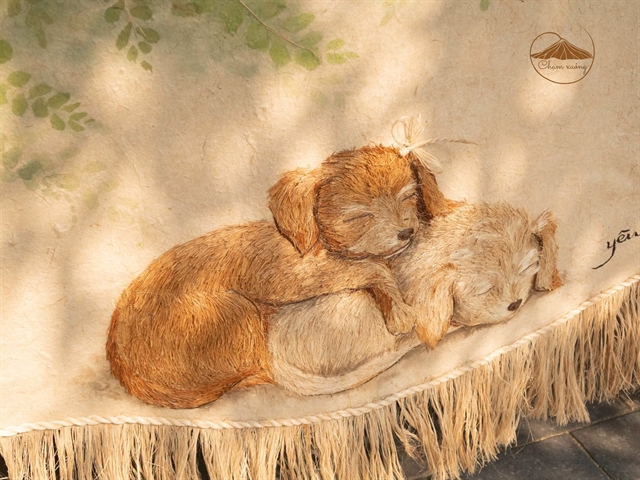
Banana stems once left in fields after harvest are being turned into artistic flowers, sculptural pictures, handbags and decorative items with a contemporary touch.
The work is not only creating economic value from agricultural by-products. For the people behind it, it is also a way to encourage green living, preserve Vietnamese identity and explore creativity.
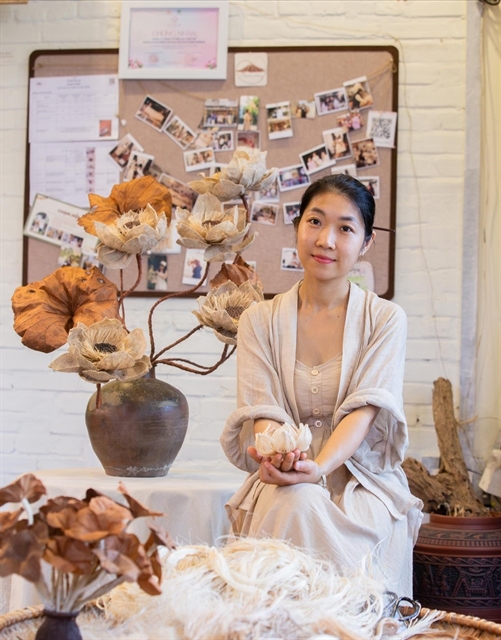
For Nguyễn Thị Thu Trang, founder of Chạm Xưởng, the idea grew from her work as an architect. While designing buildings, she noticed that many modern materials generated large amounts of waste after use, raising questions about sustainability.
In recent years, Trang has shifted towards handicraft and art using natural and recycled materials. She opened Chạm Xưởng, a creative space in Ecopark on Hà Nội's eastern outskirts, where people can make products from recycled materials and take part in handicraft activities.
“I want to make better use of resources available in Việt Nam instead of importing materials and depending on foreign sources. During my work, I also saw a large amount of waste from materials that are difficult to process, so I started looking for greener materials,” Trang told Việt Nam News.
“Applying design thinking, I want to develop products from Việt Nam’s natural materials.”
While looking for suitable materials, Trang came across banana fibre and began experimenting with it about three years ago. She reorganised her work and started focusing on developing banana fibre last year.
She said Việt Nam, as an agricultural country, has a rich supply of natural materials. Sedge, water hyacinth, pineapple leaves and coconut husk fibre have already been used in handicrafts, while banana fibre attracted her attention for its strength, flexibility and abundant supply.
After harvest, most banana stems are used as animal feed or simply discarded. Trang wanted to find a way to increase their value through design and art.
About a year ago, she and her colleagues established Chạm Xưởng. Combining her architectural experience with her interest in handicrafts, they began developing interior decorations from banana fibre in a modern and minimalist style while retaining the traditional spirit of handmade products.
“Consumers today are not only interested in modern, environmentally friendly designs, but also care more about cultural elements and handicraft values. That is the direction we are pursuing,” she said.
From fibre to art
The raw banana fibre supplied by pre-processing units is further treated at Chạm Xưởng to make it softer, smoother and more even before being used in different designs.
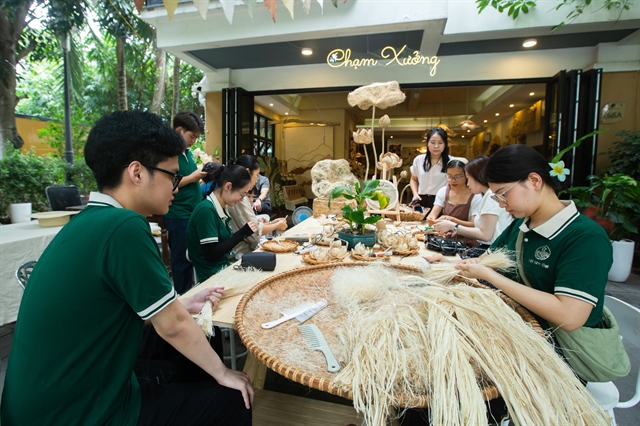
Trang and her colleagues carefully comb the fibres and place them in small metal frames to shape flower petals, using adhesive to form natural details. From this simple material, lotus flowers, decorative vases and pictures gradually take shape.
The most difficult part, according to Trang, is processing the fibre so that it becomes fine and smooth while retaining its strength and flexibility.
“In terms of technique, Việt Nam and other countries have been doing this for some time, mainly for export. In recent years, people have started developing banana fibre for textiles and handicrafts,” she said.
“The processing of the raw material is now quite good. When applying it to art, I add another step to refine the fibre so that it is suitable for the design. Farmers can process the raw material in the fields. Many provinces in Việt Nam are now exploiting banana stems.”
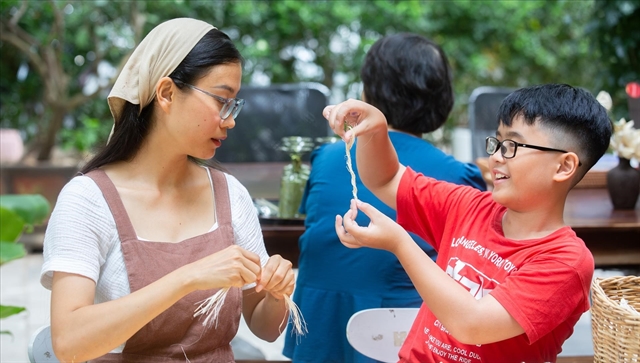
Chạm Xưởng also organises weekly workshops, green fairs and recycling activities. Banana fibre, handmade paper and recycled materials from everyday life are commonly used.
The workshop space is simple. People sit together, make something by hand and talk.
Trang said one of the things she noticed most clearly through the workshops was young people’s need for connection.
Some office workers come at weekends simply to sit quietly for several hours and concentrate on making a handicraft product. Others arrive thinking they are not good at making things by hand, but become patient and interested once they start.
“Many people say it has been a long time since they were able to concentrate on doing something without constantly holding their cell phones. Some make mistakes and start again, but still want to finish the product,” she said.
Culture and creativity
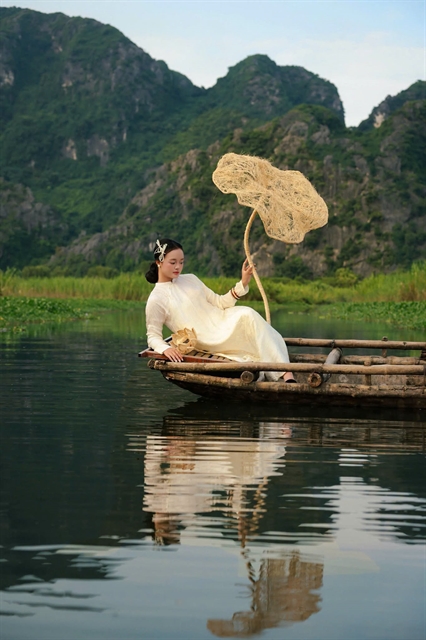
Trang believes natural materials already have their own texture and colour, so they do not need much intervention. The important thing is to retain the simple, natural character of the material.
Her most ambitious project so far is the Sen Sợi Sinh collection, which turns banana stems left after harvest into lotus flowers, representing regeneration and the continuation of a material’s life cycle.
“I am developing this product line, focusing on the lotus and bringing this symbol into design spaces and high-end gift products imbued with Vietnamese cultural identity,” she said.
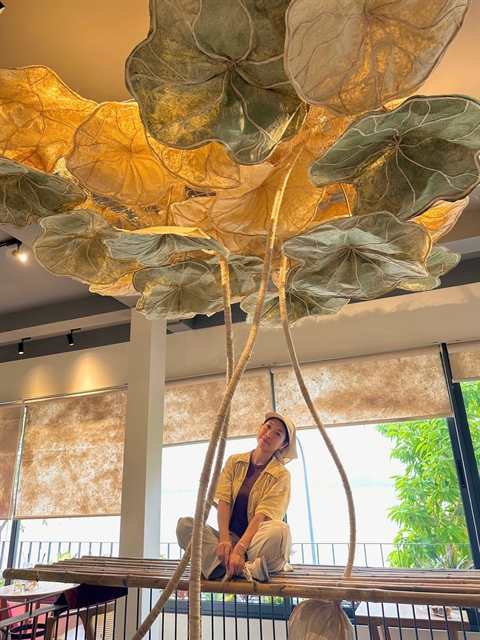
Trang plans to expand the project to major cities and tourist destinations, with a focus on souvenirs that carry a distinct Vietnamese character.
“I really want to develop distinctive souvenirs and create impressive highlights in different spaces so that both Vietnamese people and international visitors can discover them,” she said.
While Chạm Xưởng focuses on art and hands-on experiences, Việt Kim Sợi is combining natural materials with digital technology.
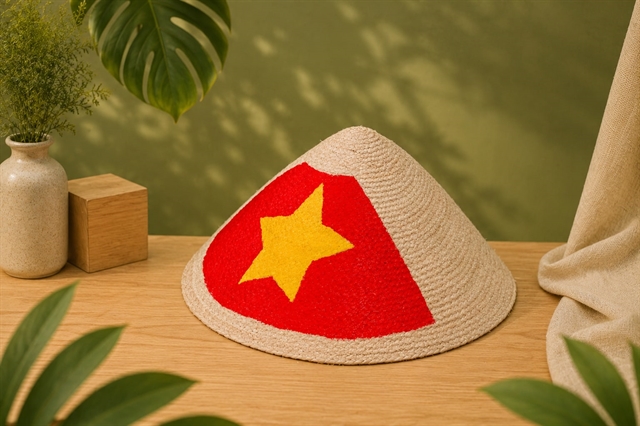
According to Lê Thị Hương Quỳnh of the group, it makes handicrafts such as banana-fibre handbags featuring images of the Hồ Chí Minh Mausoleum, Hội An ancient town and the Independence Palace.
The group is integrating technology into the products. In the future, customers will be able to scan a code with their phones to watch videos in Vietnamese and English introducing the featured destinations, helping to promote Vietnamese culture and tourism.
Each product is also fitted with an NFC chip, allowing users to access the group’s website by simply tapping their phones.
“There are many beautiful handicraft products in Việt Nam, but technology has not been widely applied to them. We want to combine the two to improve the customer experience and contribute to promoting the image of the country to international visitors,” Quỳnh said. — VNS
