Weather:
- Ha Noi 28oC
- Da Nang 28oC
- Ho Chi Minh 28oC
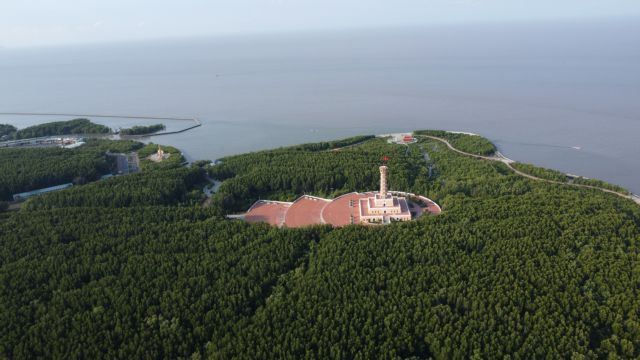
CÀ MAU — The southernmost province of Cà Mau is working on the digitisation of tourism destinations to promote its image and branding.
Following the Politburo’s Resolution No. 57-NQ/TW on breakthroughs in science and technology development, innovation, and national digital transformation, the province is focused on building a smart tourism ecosystem and integrating data on destinations, sightseeing routes, accommodations, services, and distinctive products.
Cà Mau will accelerate 3D digitisation and the Augmented Reality (AR) and Virtual Reality (VR) technologies of its must-visit places, including Mũi Cà Mau (Cà Mau Cape) National Park, U Minh Hạ National Park, the Hòn Đá Bạc Islands, mangrove forests, and historical sites.
The work aims to offer virtual tours and immersive experiences to visitors to boost demand for travel to the destinations.
The province will step up the use of Geographic Information Systems (GIS) to help authorities manage tourist places and provide information for tourists.
It will also develop a smart management and operation system to enhance State management in tourism and support enterprises.
The provincial People’s Committee has asked local authorities and relevant agencies to develop an innovative tourism marketing strategy to expand Cà Mau’s image and branding in mass media and on social media platforms.
Cà Mau will increase interactive experiences at domestic and international travel events, focusing on destinations, folk performing arts, cuisine, and OCOP (one commune one product) items.
The province will advance public outreach in densely populated areas, such as transportation hubs, bus stations, and airports, and key tourism markets with high potential and visitor volume, including Hà Nội, Đà Nẵng, and HCM City.
It will strengthen linkages and cooperation with HCM City, Hà Nội, and provinces and cities in the Cửu Long (Mekong) Delta to create inter-regional tourism programmes and enhance its strengths, such as ecotourism, community-based tourism, and native culture.
In addition, Cà Mau will preserve and promote intangible cultural heritage, including tài tử music, a folk music genre that appeared in the southern region over 100 years ago, folk festivals, traditional crafts, and spiritual and religious sites such as the Quan Âm Phật Đài Buddhist Temple in Hiệp Thành Ward and the Tắc Sậy Catholic Church in Phong Thạnh Commune.
The province expects to create a distinctive art performance combining storytelling, folk art, and modern stage technology to attract culture lovers.
Cà Mau remains committed to green tourism development, environmental protection, and biodiversity conservation.
It will develop tours associated with environmental protection activities, such as mangrove planting, waste collection, and wind power visits.
The province also focuses on improving the quality of its tourism workforce to meet the requirements of digital transformation and green tourism development. It aims to provide training for more than 8,620 workers by 2030.
Ngô Vũ Thăng, deputy chairman of the provincial People’s Committee, said Cà Mau identified transport infrastructure as a key task of tourism development.
Thăng said the province prioritised investment in the Cà Mau – Đất Mũi expressway, and the upgrade and expansion of Cà Mau Airport, seaports, and inland waterway ports.
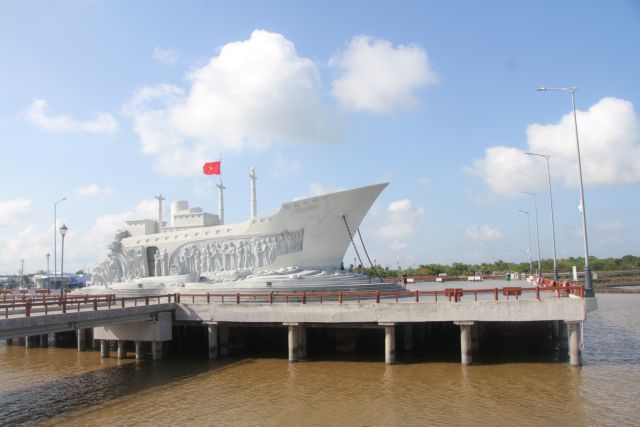
He added that the province also upgraded the Hồ Chí Minh Highway and roads to ecological and community-based tourism areas and historical sites, such as the monument commemorating the event of compatriots, cadres, soldiers, and students from the South regrouping to the North in 1954 in Sông Đốc Commune.
Cà Mau will boost capital mobilisation from the State budget and other sources to accelerate key transport projects and strengthen inter-regional connectivity.
The province is seeking investors for large-scale hospitality projects, including integrated resorts and business hotels, scheduled to deliver nearly 7,850 rooms by 2030. It also strives to develop eco-lodges and homestays at community-based tourism sites to preserve the landscape and meet tourists’ needs.
According to the Department of Culture, Tourism and Sports, Cà Mau welcomed over 5.3 million visitors this year, including more than 80,000 international visitors. Total tourism revenue was estimated at VNĐ5.39 trillion (US$206.8 million).
The province aims to welcome more than 11.5 million visitors by 2030, including 155,000 international visitors. Its total revenue will reach around VNĐ14.7 trillion ($563 million), contributing 4.5 – 5 per cent of the province’s Gross Regional Domestic Product (GRDP). — VNS
