Weather:
- Ha Noi 26oC
- Da Nang 25oC
- Ho Chi Minh 26oC
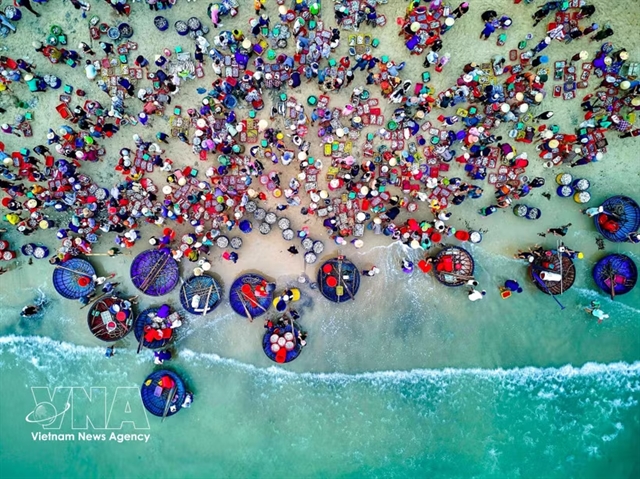
ĐÀ NẴNG – In some coastal villages in central Việt Nam, tourism is being built not around large resorts or major infrastructure, but around what communities already have: fish markets, fishing, local food, cultural traditions and interaction between residents and visitors.
From the Tân Thành community tourism area in Hội An to Tam Tiến fish market in southern Đà Nẵng, these experiences show that tourism can become more sustainable when local people directly benefit from the resources and livelihoods of their hometowns.
From fish market to tourist attraction
Every afternoon, fishing boats return to Tam Tiến fish market in Tam Xuân Commune, Đà Nẵng, laden with fish, squid, shrimp and other seafood.
Once mainly a wholesale market operating in the morning, it now has an afternoon session for tourists, creating an additional outlet for seafood and allowing fishermen to sell directly to visitors.
Tourists can choose their own seafood, enjoy fresh squid bánh xèo (Vietnamese savoury pancakes), join fishermen in pulling nets or learn about life in the coastal village. Some homestays prepare seafood bought directly from the market for an additional fee of 80,000-120,000 VND.
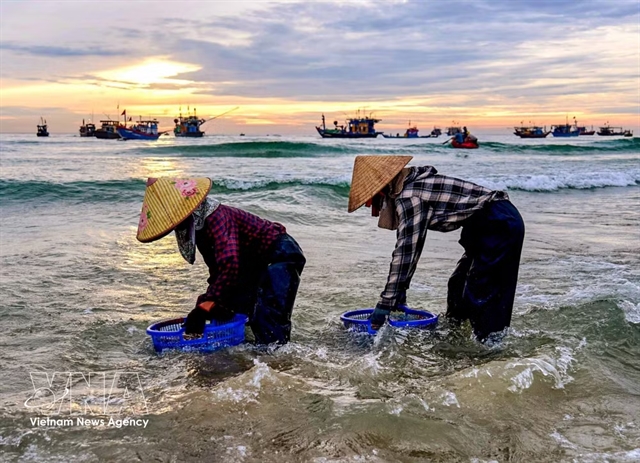
Lê Thị Bích Hằng, who runs a chain of homestays and restaurants in Tam Tiến, said that about 80 per cent of her guests are cross-country backpackers. They come not only to stay but also to experience the fish market, fishing activities and a 64ha protected coral reef in the area.
Tourism has therefore not replaced fishing but added new links to the local value chain. Fishermen continue to go to sea and bring their catches ashore, while tourism provides another local market for their products.
Local residents have also invested in most homestays, restaurants and other tourism services, helping keep ownership in the community.
According to local tourism operator Trần Thị Nhung, the area remains largely run by local residents rather than being dominated by outside investment.
This helps preserve the coastal landscape and way of life. Some households have sold part of their beachfront land to improve their living conditions or provide capital for their children, while retaining land further inland and continuing to live and work in the area.
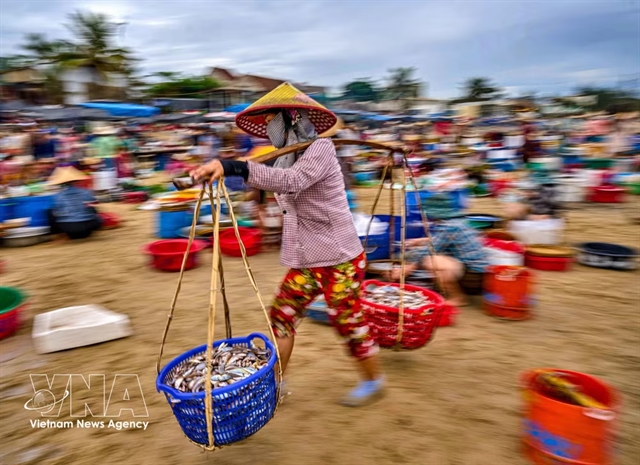
Tourism operators have also contributed to improvements in shared infrastructure, including embankment upgrades, lighting to help fishermen locate their boats at night, and fresh water supplies for people working at sea.
Connecting cultural communities
At Tân Thành beach in Hoi An, community tourism has developed in another direction by connecting different cultural regions.
For about six years, events such as the Tân Thành Market and Tân Thành Block Fest have provided a space for highland communities to bring agricultural products, traditional culture, gong performances and dances to the coast, where they meet local residents and international visitors.
Lương Thuý Hà, manager of a villa accommodation chain in Tân Thành, said the activities create links between communities rather than limiting tourism to one destination.
Visitors may come to Hội An and Tân Thành for the beach, she said, but exposure to highland culture can encourage them to explore the places where those traditions originated.
For highland communities, the exchange also provides opportunities to gain confidence and develop tourism skills.
Cotu woman Bh'nuoch Thi Lach, who performs at events in Tân Thành, said people in mountainous areas have fewer opportunities to interact with international visitors. Performing at the coast has allowed her to share her culture, practise communication and improve her English.
The two above-said models demonstrate the same principle: tourism can create value without separating itself from local life. When communities benefit from tourism, it can help preserve traditional livelihoods while giving them new value.
As coastal areas face growing pressure from urbanisation, investment and commercial development, the challenge is not simply to build more homestays or attract more visitors. It is to ensure that more tourism revenue remains with local communities and that cultural traditions and livelihoods can continue in new forms.
When local people remain the custodians of their resources, tourism can become a reason for them to stay, maintain their livelihoods, and renew community value rather than replacing it. VNA/VNS
