Weather:
- Ha Noi 25oC
- Da Nang 26oC
- Ho Chi Minh 26oC
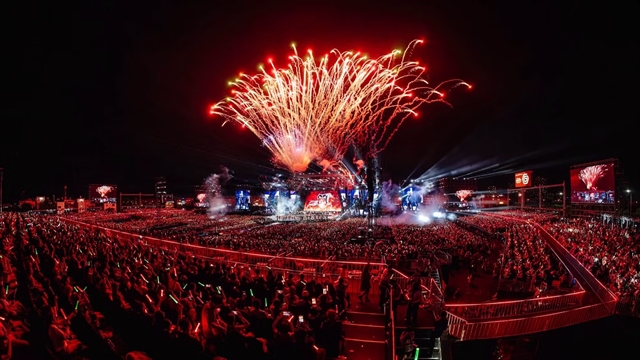
HCM CITY — The growing popularity of large-scale concerts is creating significant opportunities for Việt Nam’s exhibition and event organisation industry, contributing to the development of cultural industries and promoting the country’s image internationally.
Resolution No. 80-NQ/TW of the Politburo on Vietnamese cultural development and the Government’s Strategy for the Development of Cultural Industries have opened up new directions and opportunities for the exhibition and event organisation sector.
The goal of making Việt Nam an attractive destination for major regional and international cultural and artistic events places greater demands on organisational capacity, technological expertise, human resource development and the creation of distinctive Vietnamese event brands.
According to Deputy Minister of Culture, Sports and Tourism Tạ Quang Đông, the exhibition and events industry serves as a bridge between culture and tourism, creativity and technology, and products and markets. It also contributes to trade promotion, investment attraction and enhancing Việt Nam’s appeal to international audiences.
Vietnamese businesses need to move beyond their traditional role as service providers and take a more proactive approach to content creation, product development, technological mastery and deeper participation in the industry's value chain.
This is an important direction for developing cultural industries and the experience economy, while strengthening national competitiveness.
In today's event industry, quality is determined not only by scale or investment levels but also by the ability of different stakeholders to coordinate and manage technical operations at every stage.
A concert may attract tens of thousands of spectators, but ensuring its smooth operation requires close collaboration among creative teams, stage designers, equipment suppliers, sound and lighting specialists, performance technology providers, logistics teams and event organisers.
Sharing insights into the provision of equipment and solutions for professional performance stages, Nguyễn Anh Thư, who is in charge of marketing and exhibition activities at ProAVL, said that growing State attention and support for artistic activities in recent years had provided fresh impetus to the market.
Concerts featuring artists such as Blackpink and G-DRAGON have brought international standards in sound, lighting and stage production to Việt Nam, creating opportunities for equipment suppliers, rental companies and other businesses across the sector.
Building distinctive brands
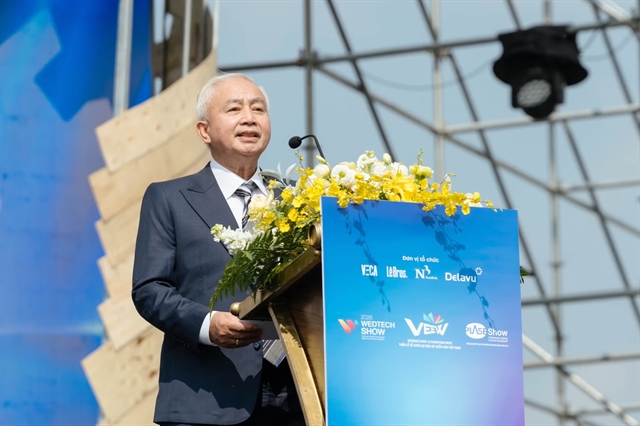
Vũ Ngoạn Hợp, Chairman of the Việt Nam Exhibition and Events Association (VECA), said that in the past, some international tour organisers had expressed interest in Việt Nam following site surveys but had been unable to proceed because infrastructure and technical conditions, particularly sound and lighting systems, did not meet their requirements.
Domestic equipment resources were fragmented and relatively small in scale, making it difficult to accommodate major productions.
However, many advanced technologies from around the world are now available in Việt Nam, providing a more favourable foundation for hosting large-scale events.
In practice, establishing a shared database to connect businesses across the industry would make it easier to mobilise resources. When an event needs to be organised, capable service providers could be quickly brought together to coordinate and implement the programme.
Concerts in Việt Nam have attracted between 30,000 and 50,000 spectators while maintaining high standards of security, public order and organisation comparable to those of overseas productions. These represent encouraging initial achievements.
With increasingly advanced technical infrastructure, appropriate development policies and continued State attention and support for cultural industries, Việt Nam's exhibition and event organisation sector is well positioned for stronger growth in the years ahead.
Alongside improvements in technical and organisational capabilities, developing creative content and distinctive brands is essential for generating long-term value.
Exhibition brands, concerts, festivals and event series created by Vietnamese organisers should be developed into valuable intellectual property, with established audiences, sustainable business models and the capacity to reach international markets.
Deputy Minister Tạ Quang Đông emphasised that event organisers and businesses should strengthen partnerships and leverage their respective strengths, ensuring seamless coordination across venues, design, production, technology, operations and support services.
VECA should continue to play its role in bringing together and connecting industry professionals, facilitating experience-sharing and promptly communicating practical challenges and difficulties faced by businesses.
Professionalism and quality must also serve as the foundations for development.
Businesses should focus on improving management capabilities, workforce quality, technical standards and service delivery, while complying with the law, ensuring safety, respecting copyright, maintaining transparency in partnerships and protecting the interests of audiences.
Investment in content, technology, audience experiences and cultural identity is also essential to create event products with lasting appeal, commercial potential and international competitiveness.
To achieve this, businesses need to expand cooperation with artists, designers, technology experts and other creative stakeholders.
They should also strengthen links with educational institutions to develop a skilled workforce equipped with professional expertise, technological skills, foreign language proficiency and the ability to work in international environments.
The development of the exhibition and event organisation industry requires long-term vision, professional capabilities, a spirit of cooperation and a strong ambition for creativity.
From modern performance stages to cultural exhibitions and festivals, every event should serve not only as an opportunity for audiences to experience creative products but also as a platform to tell stories about the country, its people and Việt Nam's cultural identity. — VNS
