Weather:
- Ha Noi 30oC
- Da Nang 26oC
- Ho Chi Minh 30oC
HÀ NỘI — As global competition shifts from price to value, embedding cultural identity into products is emerging as a strategic pathway for Vietnamese goods to stand out, positioning the country to transform its rich cultural assets into commercial strength in line with the Politburo’s Resolution 80-NQ/TW on cultural development.
The resolution charts a clear course to integrate culture into economic, trade and external activities, thereby expanding markets while strengthening national competitiveness. It reflects a fundamental shift towards exporting products that deliver distinctive value. In this strategy, culture is not only a spiritual foundation but also a “language” through which Vietnamese products tell their stories to the world.
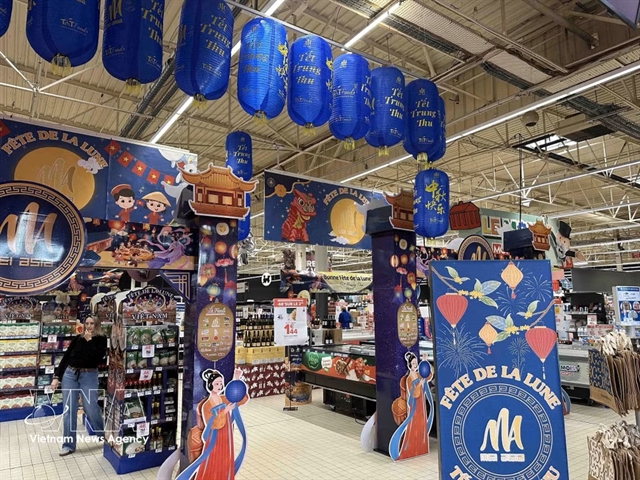
In practice, Việt Nam's trade offices abroad are increasingly acting as “dual ambassadors”, promoting commerce while disseminating culture. Promotional activities have evolved from simple supply – demand matching into immersive cultural experiences. Vietnamese goods weeks at major distribution networks in Europe, particularly in France, have moved beyond product displays to become vibrant showcases of Vietnamese culture.
These events transform retail spaces into experiential venues, where symbols such as lotus flowers, conical hats, traditional Tết (Lunar New Year) celebrations and Vietnamese cuisine forge emotional connections with consumers. The shift from material consumption to experiential engagement is helping to sustainably elevate the value of Vietnamese products.
In Cambodia, a different approach is being adopted, with culture conveyed through knowledge-based products such as publications on Việt Nam's investment environment, contributing to a dynamic and open national image while expanding outreach to international partners.
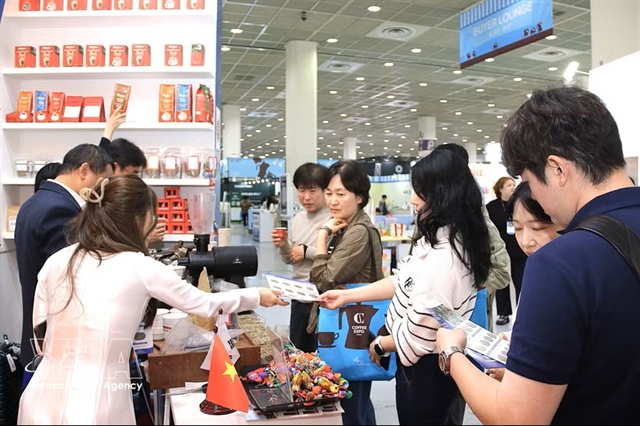
Meanwhile, businesses are also innovating by embedding cultural elements into their products. Nonla Vietnam Global, for instance, has turned coffee into a cultural statement through conical hat-inspired designs, áo dài-themed packaging and distinctive flavours such as durian, salted and egg coffee, boosting brand recognition in international markets. Its products are now available across major retail systems and global e-commerce platforms such as AEON, Amazon and Shopify.
The integration of cultural industries with trade, alongside the development of creative content such as mascots and animation, is enabling brands to maintain deeper engagement with consumers. More broadly, cultural elements are creating hard-to-replicate differentiation, offering Vietnamese goods a sustainable competitive edge in increasingly demanding markets.
However, turning cultural export into an effective strategy will require coordinated efforts. Stronger cooperation is needed among regulators, trade offices and businesses to build a unified national message, ensuring that products and promotional activities contribute to a cohesive Việt Nam brand rather than fragmented narratives.
At the same time, companies must invest more systematically in design, creativity and market research to ensure cultural stories resonate with specific audiences. Culture cannot be imposed; it must be translated into forms that global consumers can understand and relate to. This presents both a challenge and an opportunity to enhance the creative capacity of Vietnamese enterprises.
Furthermore, cultural industries should be positioned as a pillar of the export strategy. When cultural products, from cuisine and fashion to digital content, are properly developed, they not only support goods exports but also emerge as high-value economic sectors in their own right.
In the new era of globalisation, a national brand is defined not only by export figures but also by its ability to connect with the emotions and perceptions of global consumers. Cultural export, therefore, is not just an economic strategy but a journey to affirm Việt Nam's identity and standing on the world stage. When products become cultural ambassadors, Vietnamese goods can travel further and leave a lasting imprint on international consumers. — VNA/VNS
