Weather:
- Ha Noi 25oC
- Da Nang 27oC
- Ho Chi Minh 25oC
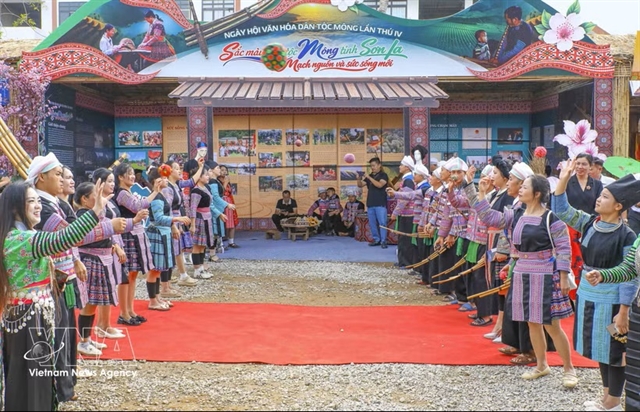
ĐIỆN BIÊN — Traditional embroidery, beeswax patterns on linen, blacksmithing, bánh dày making and folk games bring vibrant colours to the fourth Mông Ethnic Culture Festival 2026, running from October 9 to 11 in Điện Biên.
The event brings together artisans, performers, athletes and Mông ethnic people from 11 provinces to showcase traditions preserved across generations.
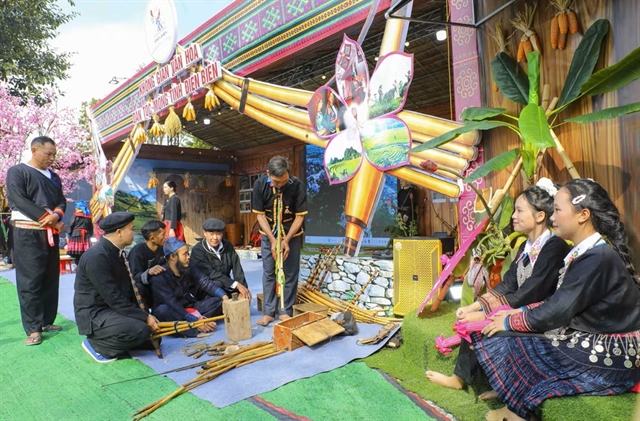
Visitors can explore traditional crafts, including linen weaving, beeswax printing, embroidery, blacksmithing and making the Mông khèn (bamboo panpipes).
Demonstrations by artisans such as Sùng Thị Xoà from Lào Cai and Giàng Thị Pó from Điện Biên highlight the skills and patience required to preserve these crafts.
The festival also features folk songs and dances, traditional costumes, local cuisine and games such as pa pao ball throwing, tù lu spinning tops, stick pushing and tug-of-war, offering insights into Mông cultural identity and daily life.
Trịnh Ngọc Chung, Director of the Department of Ethnic Culture, said the festival helps preserve and promote ethnic cultural heritage while encouraging communities to take an active role in safeguarding their traditions.
He stressed that preservation should keep traditions alive while linking them with economic development, sustainable livelihoods and improved living standards. Tourism, handicrafts and culinary experiences can turn cultural heritage into a resource for local development.
Chung emphasised the need to support artisans, pass traditional knowledge on to younger generations and provide adequate resources and training. Local authorities, particularly at commune level, also play a key role in translating preservation policies into practical benefits.
With 11 provinces participating, the festival promotes cultural exchange and solidarity among ethnic groups. By recognising communities as the custodians of their heritage and connecting traditional crafts with livelihood opportunities, the event highlights the role of Mông culture in sustainable development and the preservation of national unity.— VNA/VNS
