Weather:
- Ha Noi 26oC
- Da Nang 31oC
- Ho Chi Minh 34oC
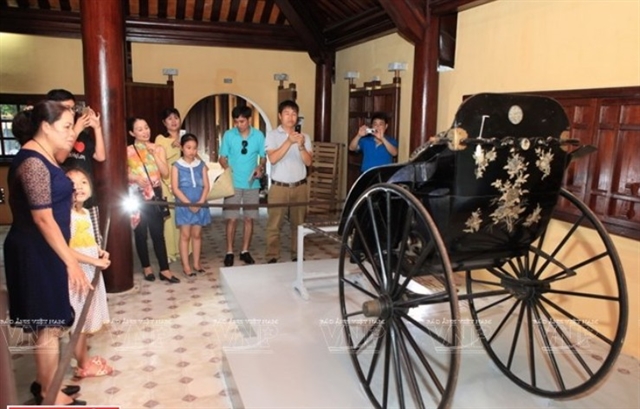
HÀ NỘI — The Ministry of Culture, Sports and Tourism is speeding up the drafting of a project to repatriate Vietnamese art masterpieces and cultural heritage, calling it a necessary and urgent task.
At a recent meeting of the project's drafting committee in Hà Nội, Deputy Minister of Culture, Sports and Tourism Hoàng Đạo Cương said the ministry is coordinating with other ministries, sectors and localities to formulate the project.
The project aims to repatriate outstanding artworks and cultural heritage items, especially those that qualify as national treasures or rare and valuable antiquities currently located abroad, as part of the ministry's tasks under Politburo Resolution 80-NQ/TW on the development of Vietnamese culture and the Government’s Resolution 30.
Cương, who is also head of the project's drafting committee, said that due to the impact of wars and other crises, particularly those that occurred during the periods prior to national reunification in 1975, many rare Vietnamese artefacts, antiques and artworks were taken abroad.
However, there is currently insufficient information regarding the number, condition and whereabouts of these cultural assets.
"There have been growing calls for a comprehensive review of all Vietnamese artefacts, antiques and rare cultural heritage items located abroad," said the deputy minister.
Party General Secretary and President Tô Lâm paid particular attention to the issue during a working session with the culture ministry on August 19 on conservation and museum work.
The project aims to establish comprehensive mechanisms for documenting, researching and locating Vietnamese artefacts and antiques currently abroad, thereby facilitating their repatriation through advocacy and negotiation.
“The repatriation of cultural assets will enrich and enhance national collections and bolster Việt Nam’s cultural heritage holdings. In doing so, it will elevate the nation's standing and contribute to the development of an advanced Vietnamese culture deeply imbued with national identity,” Cương said.
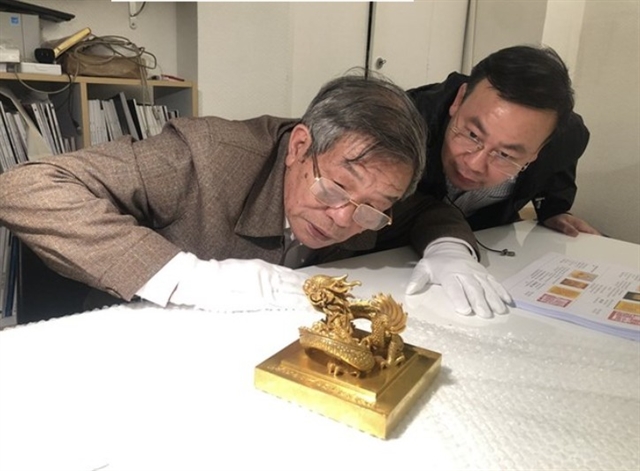
The deputy culture minister also noted that a number of rare Vietnamese artefacts have recently been repatriated, including the Hoàng Đế Chi Bảo (Emperor's Treasure) gold seal and the statue of the goddess Durga.
The Vietnamese artefacts have been brought back through various channels. Notably, several private collectors have taken them home after acquiring them at auctions, he said.
However, according to Deputy Director of the Department of Cultural Heritage Phạm Định Phong, the number of repatriated items represents only a tiny fraction of the cultural heritage objects that have been lost or taken abroad.
"Repatriation faces numerous challenges, including the lack of databases on Vietnamese cultural heritage abroad, limited financial resources, inadequate inter-agency coordination mechanisms, a shortage of tools for verifying provenance and ownership and limited experience in international negotiations and difficulties in mobilising the participation of the domestic and overseas Vietnamese communities," Phong said.
Efforts to repatriate such items are largely reactive, relying on voluntary returns, donations or information provided by foreign law enforcement agencies, Phong noted.
Available information about Vietnamese artefacts and antiques abroad is primarily gathered from publicly accessible records of public and private collections, as well as information published by international agencies and organisations, the official said, adding that Việt Nam has virtually no information regarding privately owned collections that are not open to the public.
Cương emphasised the significance of finalising the project draft, saying the initiative involves multiple agencies and involves issues relating to international law. It thus requires opinions and participation from the Ministry of Foreign Affairs, the Ministry of Public Security, the Ministry of Justice and other relevant bodies.
"The project has a lot of new content, which can create opportunities to enrich Việt Nam's cultural heritage collections and holdings. In particular, repartriated antiques are not only valuable, but also carry their own historical stories. They will truly bring history back to Việt Nam," he said.
Cương requested that the drafting committee focus on thoroughly reviewing the draft, exchange views and collect opinions to finalise it on schedule. — VNS
