Weather:
- Ha Noi 26oC
- Da Nang 26oC
- Ho Chi Minh 26oC
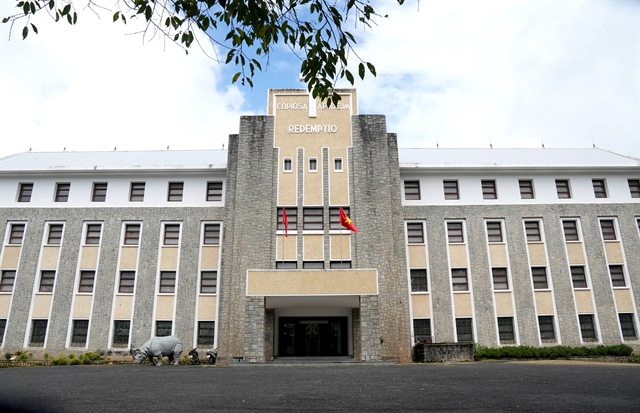
Beyond its familiar image of flower gardens, pine forests and picturesque streets, Đà Lạt City is offering visitors another way to discover the Central Highlands – through collections that preserve the region’s remarkable biodiversity.
One place attracting locals and visitors keen to explore the region's natural world is the Museum of Biology, under the Vietnam Academy of Science and Technology, which has recently reopened after renovation.
Now housing more than 10,000 specimens collected since the 1990s, the museum offers a miniature version of the vast forests of the Central Highlands in the heart of Đà Lạt.
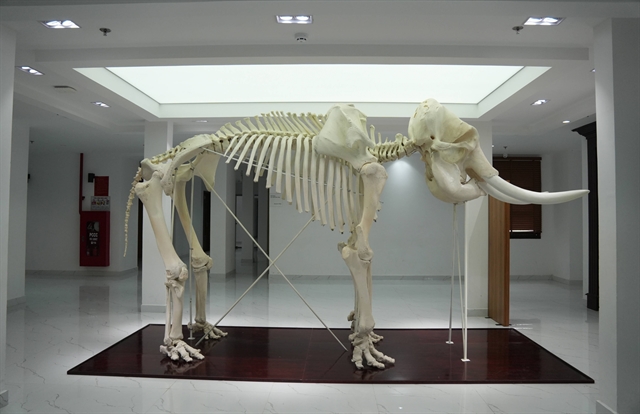
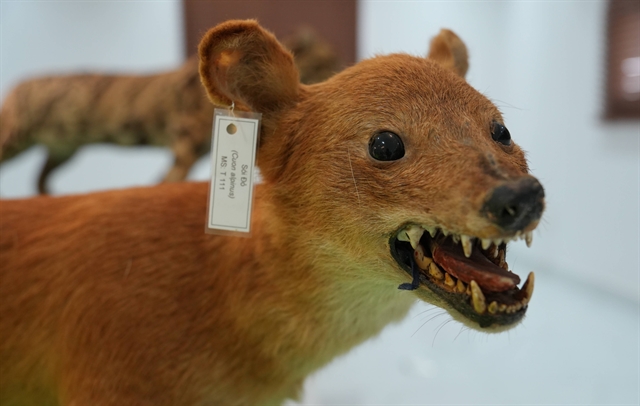
From rare five-needle pine specimens, Javan pangolins and Central Highlands elephants to more familiar species such as fish, frogs, wild chickens and fungi, the museum’s collections have been carefully preserved and reconstructed to closely resemble their natural forms.
Nguyễn Hữu Lộc from Đồng Tháp Province visited the exhibits after learning that Đà Lạt is home to a museum displaying a diverse collection of specimens representing the Central Highlands ecosystem.
He was particularly impressed by the rare and endangered animal and plant specimens on display, many of which he had never seen before.
“Through the specimens, I could picture the vastness and richness of nature,” Lộc said.
“What impressed me most was seeing specimens of rare animals and plants with my own eyes for the first time. It made me appreciate them more and realise how important it is to conserve these species, which are facing the threat of extinction.”
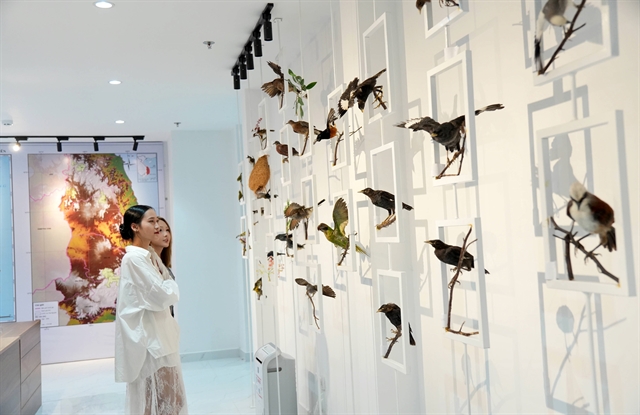
Nature up close
A regular visitor to Đà Lạt, Nguyễn Thị Hồng Phước from HCM City, said this was her first time exploring the resort city’s biodiversity collections.
From forest fungi and edible mushrooms to specimens of tigers, wild cats, monkeys and clouded leopards, the diverse displays sparked her curiosity and interest.
"I was surprised by the diversity of forest ecosystems in the Central Highlands and across Việt Nam, as reflected in the specimens on display in Đà Lạt,” Phước said.
“These spaces are not simply for sightseeing; they can also support research and learning, particularly for school and university students visiting the city of flowers.”
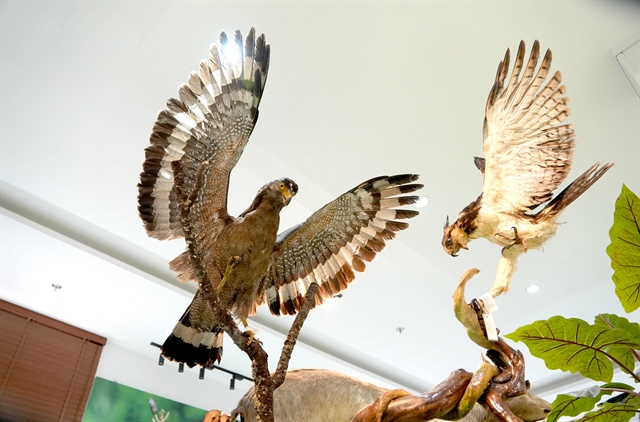
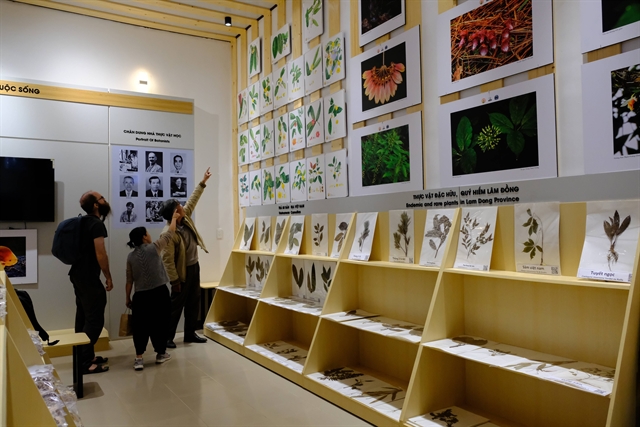
Another destination for nature lovers visiting the city is an exhibition space for rare fauna and flora at Đà Lạt University, which has been open to the public since early this year.
The exhibition features specimens of native and endemic plants from Lâm Đồng Province, a collection of 70 Vietnamese camellia species, an insect room displaying nearly 100 boxes of specimens as well as valuable animal specimens.
The university also displays hundreds of artefacts related to the cultures of Central Highlands ethnic groups, along with objects excavated in the region and other parts of the country.
These spaces serve not only as attractions for visitors but also as valuable resources for research, teaching and learning.
Living collections
Seth Griffin, an American tea researcher, visited the university’s tea exhibition during a work trip to Lâm Đồng. There, he gained new insights into rare golden camellia varieties found in the province and elsewhere in Việt Nam that he had never encountered before.
He said the experience gave him valuable knowledge for his research and deepened his understanding of the importance of conserving endemic and rare plant species worldwide.
According to Hà Thanh Tùng, deputy director in charge of the Museum of Biology, the museum aims to introduce the Central Highlands’ rich and distinctive natural resources and biodiversity to the public.
In particular, its collections include rare animal and plant species listed in Groups IB and IA that require strict protection.
In addition to continuing to expand their archives and collections, local biological museums and exhibition spaces are embracing information technology to digitise specimens, artefacts and exhibition content, allowing visitors to access related materials through digital platforms and enjoy a more immersive experience.
“In the coming period, we will continue to improve our exhibition system, guided tours and presentations on various topics," Tùng said.
"Through these efforts, we hope to raise public awareness and encourage the community to join hands in protecting habitats, animal and plant resources and forest ecosystems in the Central Highlands and Việt Nam as a whole.” — VNS
