Weather:
- Ha Noi 18oC
- Da Nang 24oC
- Ho Chi Minh 27oC
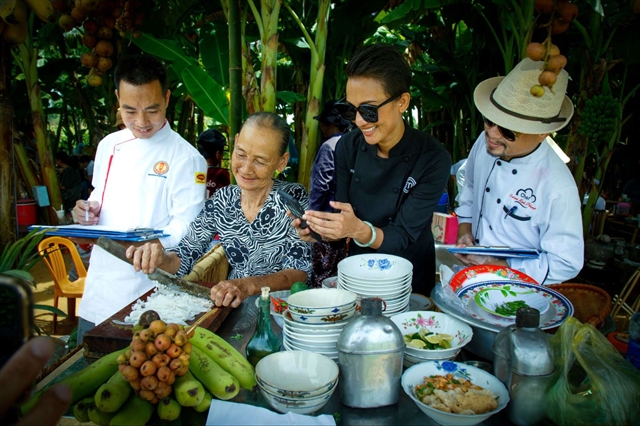
ĐÀ NẴNG — Đà Nẵng is stepping up efforts to develop its food economy through partnerships with technology companies, a digital food map and support for businesses adopting digital tools, as the city seeks to strengthen its tourism appeal and expand its services sector.
The initiatives aim to build an ecosystem linking businesses, consumers and tourism to improve service value, expand markets and support local economic growth.
Last week, the People's Committee of Đà Nẵng City and Foody JSC signed a memorandum of understanding on comprehensive cooperation for 2027-2030. The agreement aims to develop a food ecosystem, use digital platforms to promote tourism and boost the city's food economy.
Promotional activities and efforts to connect businesses with consumers will be rolled out via the ShopeeFood platform and its network of food and beverage business partners.
The Đà Nẵng digital food map, available at Danangfoodmap.vn, is designed to provide information on dining venues and help residents and visitors find and choose experiences that suit their preferences.
Unlike traditional promotional methods, digital platforms allow businesses to reach customers through multiple channels, including online maps, food delivery applications, product promotions and special offers.
For household businesses, digital transformation also offers opportunities to improve management practices. Digitising menus, adopting cashless payments, managing orders and collecting customer feedback can make business operations more convenient and transparent.
Consumer data can also help businesses adjust their products, service hours and marketing strategies to better meet market demand.
The two sides will also work together to organise programmes aimed at stimulating demand, develop food experience spaces, promote brands and share market information.
This approach shifts the focus from promoting individual dining venues to building a network linking Government agencies, technology companies, food businesses, suppliers and consumers.
Connecting products under the one commune one product (OCOP) programme and local specialities with food platforms is also expected to open up additional sales channels for producers, cooperatives and household businesses.
In tourism, the digital food map could link dining venues with sightseeing routes, cultural attractions and entertainment activities. This would allow visitors to plan their own itineraries, discover local specialities and choose venues that match their preferences and spending capacity.
The initiative could also provide a basis for developing themed food tourism products, helping increase visitor spending and extend their stays.
The city expects Foody to mobilise resources in technology, communications and training, while providing digital transformation support and promotional activities to develop attractive products and visitor experiences.
Under the proposed roadmap, 2027 will focus on selecting products and areas for pilot programmes. The 2028-2029 period will be used to assess and refine the models before expanding those that prove effective. In 2030, the two sides will review achievements and propose future directions. VNS
