Weather:
- Ha Noi 16oC
- Da Nang 19oC
- Ho Chi Minh 23oC
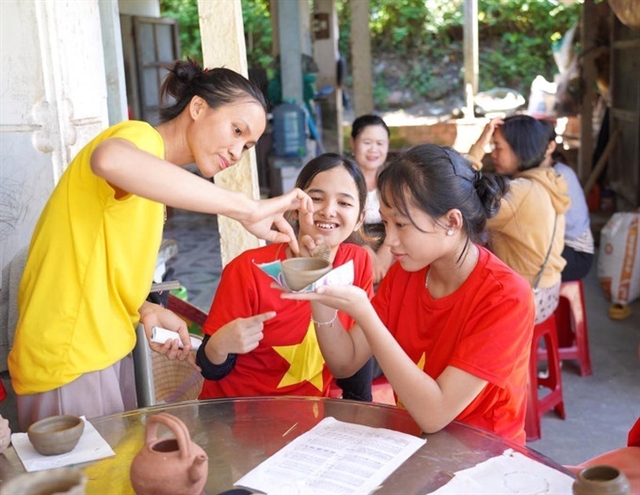
QUẢNG NGÃI — Developing community tourism in the ethnic minority and mountainous areas of Quảng Ngãi Province has become a strategic priority in recent years. The initiative seeks to balance cultural preservation with environmental conservation while raising living standards for local communities.
Quảng Ngãi is rich in mountain tourism potential but has only begun to tap into it, highlighting the need for effective and sustainable community tourism development.
Phạm Văn Thủy, Deputy Director of the Việt Nam National Authority of Tourism (VNAT), stresses that Quảng Ngãi is endowed with abundant resources suited to sustainable community tourism. Its breathtaking natural landscapes, combining majestic mountains with tranquil seas, provide a stunning backdrop for visitors.
The province is home to 43 ethnic groups, each with a unique cultural heritage – from vibrant gongs and traditional festivals to exquisite handicrafts and indigenous cuisines. When these assets are carefully preserved and showcased, they can serve as a powerful driver for community tourism.
At the heart of this appeal is the warmth and sincerity of local people, offering a distinctive charm that draws tourists seeking authentic experiences.
Current initiatives and challenges
Bạch Thị Mân, Deputy Director of the provincial Department of Culture, Sports and Tourism, notes that Quảng Ngãi has implemented several significant policies and initiatives to promote community and rural tourism.
These include developing human resources, building a recognisable Quảng Ngãi tourism brand, and making effective use of the national target programme for ethnic minority and mountainous area development.
As a result, several community tourism models have emerged, such as the tourism villages of Kon K’Tu, Vi Rơ Ngheo, Đăk Răng and Kon Trang Long Loi. Attractions like A Biu and Làng Teng are beginning to unlock the mountainous tourism potential of the region.
However, Mân admits that community tourism has not yet reached its full potential. Challenges such as limited infrastructure, indistinct tourism products, uneven community awareness, insufficient tourism skills, weak business linkages and low visitor spending continue to hinder growth.
Associate Professor Nguyễn Thị Nguyên Hồng, former Head of the Faculty of Hotel and Tourism under the Việt Nam University of Commerce, observes that western Quảng Ngãi has immense potential for community and eco-tourism but faces significant obstacles.
There is a lack of studies assessing community capacity, such as identifying essential skills, gauging participation levels and recognising internal barriers. This gap between tourism policies and actual community needs often results in repetitive offerings and a shortage of ancillary services that could attract international visitors.
Dr Cao Thị Thanh, Head of the Restaurant and Hotel Management Faculty at Hà Nội University of Industry, adds that while there is potential for healing accommodation tourism in western Quảng Ngãi, specialised facilities for therapeutic resorts are lacking. Most accommodation facilities remain basic such as motels or traditional homestays, rarely incorporating wellness designs and amenities that enhance the visitor experience.
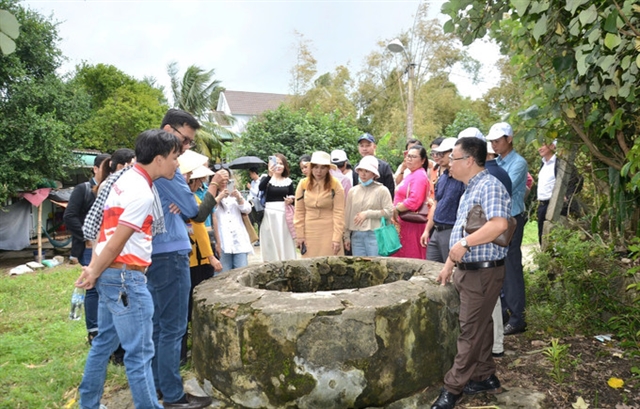
Pathways to sustainable development
To address these challenges, Associate Professor Hồng advocates enhancing the local community's capacity as the linchpin for sustainable development. Raising awareness of tourism, improving skills in guest engagement, and guiding communities on the essential criteria for homestays and related services are vital steps.
Moreover, empowering the local population with organisational, management, communication and financial skills can transform them into active stakeholders in tourism. As seen in successful models like Kon Kơ Tu, Kon Jơ Dri and Măng Đen, empowered communities not only reap economic benefits but also contribute to the preservation of their cultural identities.
Dr Nguyễn Thị Kim Thanh from the University of Electricity highlights that building high-quality human resources from within the community is crucial for long-term tourism success. This approach ensures that tourists receive comprehensive insights into the culture, cuisine and stories of the local communities.
Phạm Thị Trung, Director of the provincial Department of Culture, Sports and Tourism, reiterates that for community tourism to flourish, locals must always be at the forefront. It is essential to prevent the separation of tourism from the community's ethos. Emphasising financial support for residents and fostering connections with businesses and travel agencies will amplify these efforts.
Thủy, Deputy Director of the VNAT, reaffirms that the provincial government must recognise and address the barriers limiting community tourism development. Enhancing infrastructure, nurturing human resources, establishing recognisable product brands and promoting tourism both domestically and internationally are vital.
The VNAT is committed to collaborating with localities, educational institutions and businesses to empower a team of proficient tour guides. These guides will be essential in accurately portraying and promoting Quảng Ngãi's rich cultural and culinary offerings.
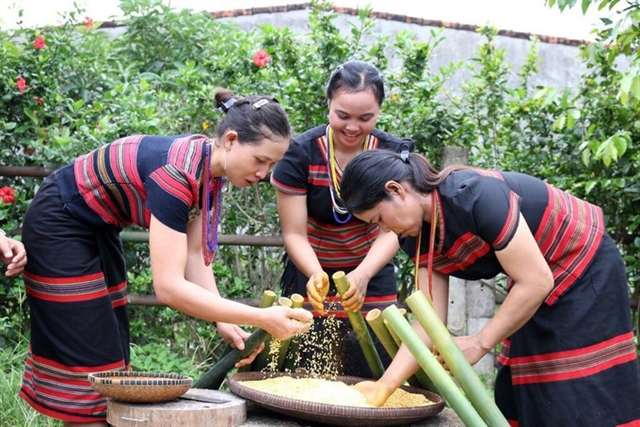
By embracing these strategies, Quảng Ngãi can pave the way for sustainable community tourism, allowing tourists to feel like true members of the community, enriching both visitors and residents. VNS
