Weather:
- Ha Noi 28oC
- Da Nang 28oC
- Ho Chi Minh 30oC
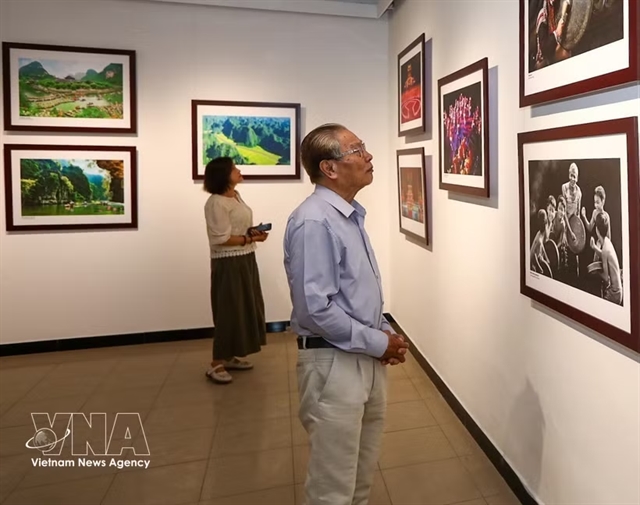
HÀ NỘI — A photo exhibition entitled World Heritage Sites of Việt Nam opened in Hà Nội on October 26, ahead of Việt Nam Cultural Heritage Day (November 23) and Vietnam Culture Day (November 24).
Speaking at the opening ceremony, Deputy Minister of Culture, Sports and Tourism Tạ Quang Đông highlighted Việt Nam’s rich cultural heritage, shaped by thousands of years of history. He said heritage assets preserve the nation’s history, identity and creativity, serving as invaluable national treasures and part of humanity’s common heritage.
The Party and State have consistently prioritised cultural development, considering culture a spiritual foundation and an important resource for sustainable development. Preserving and promoting heritage values helps safeguard national identity, nurture pride and pass on cultural values to future generations, Đông said.
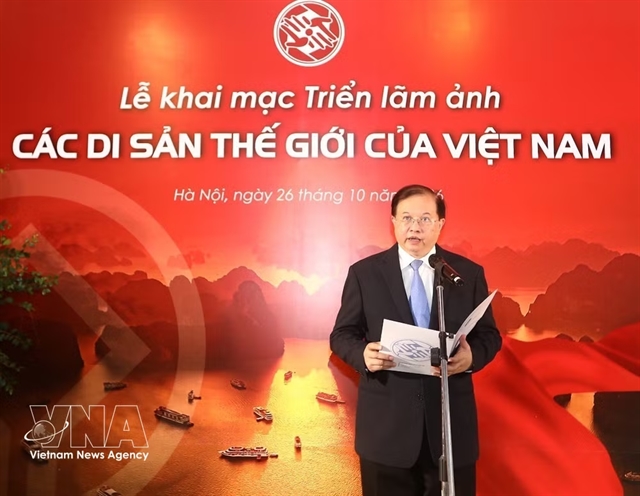
He stressed that promoting heritage through imagery, innovative communication and wider public access was increasingly important amid digital transformation and international integration. The exhibition demonstrates photography’s role in heritage preservation, education, artistic creativity and cultural industry development.
Featuring 100 photographs, the exhibition showcases 30 Vietnamese heritage sites and assets recognised by UNESCO, covering world cultural, natural and mixed heritage, intangible cultural heritage and documentary collections.
Featured sites include the Complex of Huế Monuments, Hội An Ancient Town, Mỹ Sơn Sanctuary, Hạ Long Bay, Phong Nha-Kẻ Bang National Park, Tràng An Landscape Complex, the Imperial Citadel of Thăng Long, the Hồ Citadel and the Yên Tử-Vĩnh Nghiêm-Côn Sơn, Kiếp Bạc Complex of Monuments and Landscapes.
Intangible heritage on display includes Huế royal court music, the Central Highlands gong cultural space, Bắc Ninh quan họ folk singing, Phú Thọ xoan singing, southern amateur music, central Việt Nam’s bài chòi singing, Then practices and Thái xòe dance, reflecting the country’s diverse cultural and artistic traditions.
The exhibition also features heritage in need of urgent safeguarding, including ca trù singing, Cham pottery-making and Đông Hồ folk painting. Documentary treasures include Nguyễn Dynasty woodblocks and administrative records, doctoral laureate steles at the Temple of Literature and a collection related to composer Hoàng Vân.
Through images of landscapes, communities and cultural practices, the photographs tell stories of history, collective memory, customs and the relationship between people and nature.
The exhibition aims to raise public awareness of heritage preservation, foster patriotism and encourage younger generations to carry forward cultural values. It also honours photographers, researchers, artists and conservation practitioners, while promoting links between heritage preservation and cultural development.
The exhibition is open to the public through November 3 at the 29 Hàng Bài Exhibition House in Cửa Nam Ward, Hà Nội. — VNA/VNS
