Weather:
- Ha Noi 26oC
- Da Nang 24oC
- Ho Chi Minh 27oC
HÀ NỘI — As Việt Nam joyfully welcomes the Lunar New Year (Tết) 2026 – the Year of the Horse, the image of the horse – a symbol of perseverance, loyalty, and the aspiration to rise – features prominently in numerous art spaces across the capital city.
A series of exhibitions, diverse in materials and perspectives, not only celebrate the zodiac animal of the year but also invite visitors on a journey into the cultural, historical, and artistic depth associated with this familiar motif.
Mã Đáo exhibition – Spring colours by Hoàn Kiếm Lake
In the early days of the New Year, the Hoàn Kiếm Lake area has become a vibrant cultural rendezvous with the Mã Đáo exhibition, running from January 19 to February 28 and attracting large numbers of residents and visitors alike. The artworks on display blend folk-inspired materials with a contemporary artistic spirit, creating a space that feels both familiar and refreshingly new.
Drawing inspiration from the horse – an animal long intertwined with Vietnamese history and spiritual life, the exhibition traces the journey of the “noble steed” through multiple lenses, from legend and belief to trade and social development. In folk consciousness, the horse is not merely a means of transport or a companion in labour and warfare, but also a symbol of wisdom, loyalty, and endurance. It is for this reason that the New Year greeting Mã Đáo Thành Công (May Success Arrive with the Horse) has long conveyed hopes for good fortune and smooth progress.
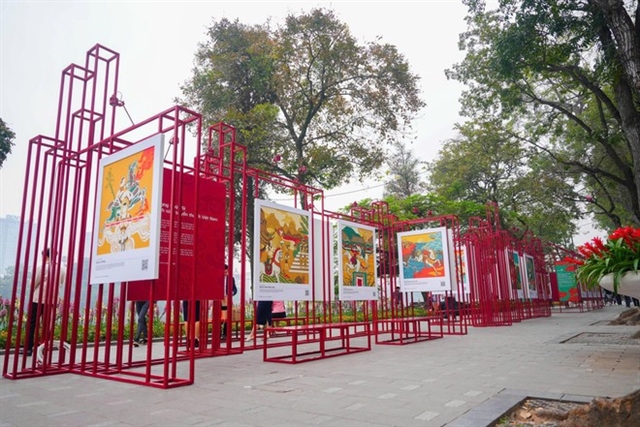
Featuring 31 works, the exhibition presents each painting as a distinct cultural narrative, collectively portraying the horse as a symbol that is both deeply rooted in everyday life and rich in artistic meaning.
Long Mã Khai Văn – Myth and cultural transformation
While Mã Đáo celebrates the pure image of the horse, the exhibition themed Long Mã Khai Văn at the Hà Nội Museum (from February 3 to March 2) leads visitors into a mythical realm where the horse merges with the dragon to form a more exalted creature. Open free of charge throughout the Lunar New Year holiday, the exhibition has quickly become an attractive destination for visitors of all ages.
Rooted in East Asian culture, Long Mã (Dragon Horse) represents a harmonious union of the dragon’s sacred power and the horse’s resilience and loyalty. When introduced into Việt Nam, this image underwent cultural adaptation, acquiring distinct local nuances and becoming a symbol of wisdom, longevity, peace, and prosperity. Today, Long Mã is still present in traditional architectural works such as communal houses, temples, shrines, and mausoleums, as well as in traditional ceramics, notably the Chu Đậu pottery.
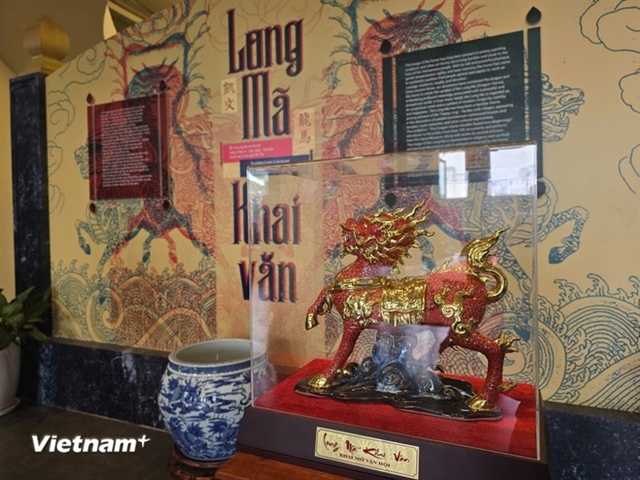
Held on the first floor of the Hà Nội Museum, the exhibition showcases more than 100 documents, artefacts, and artworks, offering visitors deeper insights into the origins, meanings, and enduring presence of this mythical creature in Vietnamese culture.
Horses Come to the City – Breath of highlands in heritage space
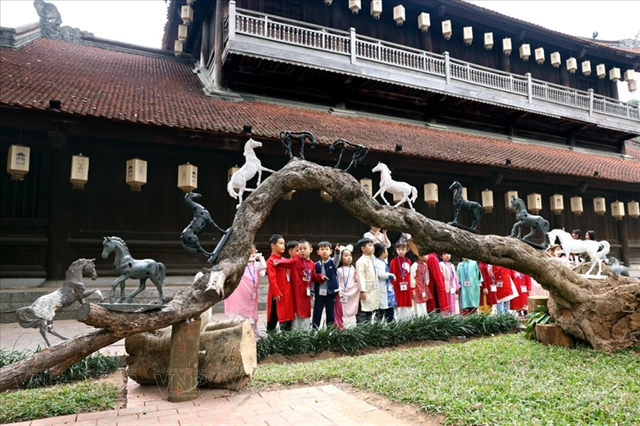
Another notable artistic highlight is the sculpture exhibition Horses Come to the City at the Temple of Literature, held from January 8 through the end of March. Beneath the moss-covered tiled roofs of this millennium-old heritage site, sculptural works depicting horses in a free-spirited style inspired by the Central Highlands create a compelling dialogue between tradition and modernity.
As a symbol of learning and cultural depth in Thăng Long–Hà Nội, the Temple of Literature provides a meaningful backdrop for these unique sculptures. Rather than disrupting the site’s solemn atmosphere, the contemporary horse figures inject new vitality into the space. Long familiar in Vietnamese history and spirituality, the horse is here rendered through bold lines and rustic materials, evoking the freedom and expansiveness of the highlands.
The exhibition’s distinctive appeal lies in its cultural interplay. Within the tranquil heritage setting, contemporary artworks emerge as bridges connecting the past and present. Visitors are able not only to tour and admire, but also to experience art in a more accessible and dynamic way. For younger visitors in particular, the display offers an opportunity to engage with heritage through a modern artistic language, fostering a natural sense of interest and attachment to traditional values.
From a broader perspective, Horses Come to the City demonstrates that contemporary art can harmonise seamlessly with heritage spaces. Historic sites need exist not solely in a static state of preservation, but can also “live” within today’s cultural life through appropriately curated creative activities.
Three exhibitions, three distinct approaches, yet all converge in celebrating the horse as a vibrant cultural symbol. From folk-inspired paintings to mythical creatures, from contemporary sculptures to museum and heritage settings, the image of the horse emerges in multiple dimensions, both traditional and innovative. In the spring of the Year of the Horse, these artistic encounters not only enrich Hà Nội's cultural landscape but also inspire a sense of pride in the enduring cultural continuum of the nation. — VNA/VNS
