Weather:
- Ha Noi 25oC
- Da Nang 25oC
- Ho Chi Minh 27oC
Thanh Hà
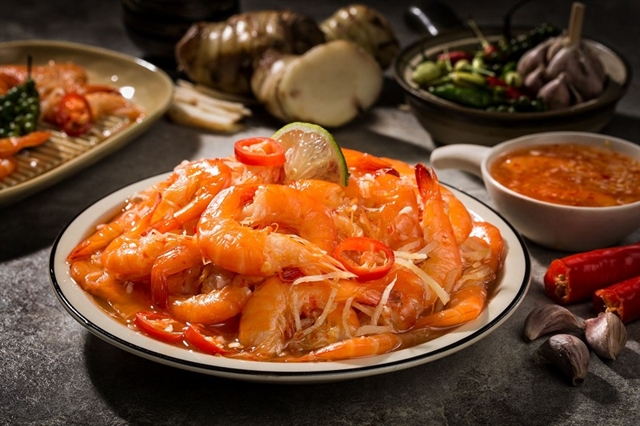
Mắm tôm chua, or fermented sour shrimp, is the only dish that I always bring home whenever I venture to Huế.
It is a specialty that has not only found a spot in the national culinary scene, but has also been highlighted by international experts. Just last month, Taste Atlas named it one of the 54 best side dishes in Southeast Asian cuisine.
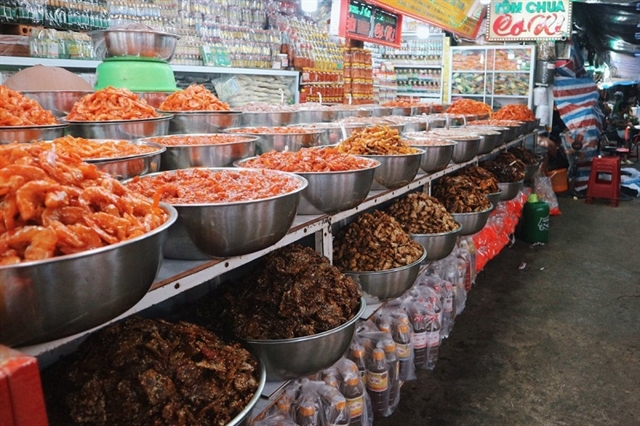
Although originally from Huế, fermented sour shrimp is popular in every region of Việt Nam, and can be found anywhere: in traditional markets, supermarkets or mini marts.
The traditional Huế dish is often used as a condiment or accompaniment to other foods, and is renowned for its distinctive flavour and vibrant reddish colour. Despite undergoing fermentation, the shrimp often retain a fresh appearance.
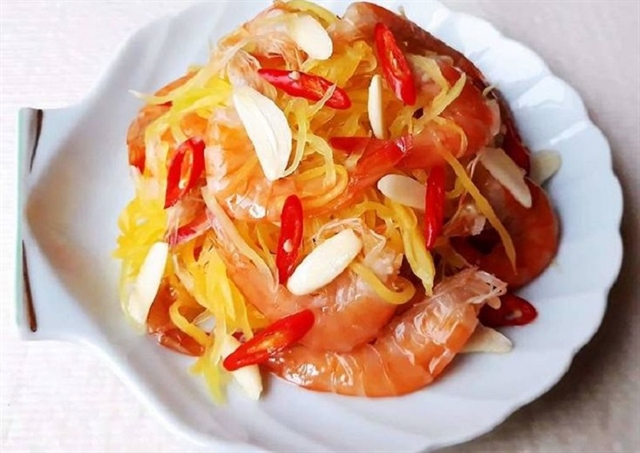
To prepare this local specialty, fresh shrimp are thoroughly rinsed and their heads removed before being soaked in rice alcohol, drained and mixed with galangal, bamboo shoots, garlic, red chillies, fish sauce and sticky rice.
The mixture is then placed in a ceramic jar and left to ferment for seven to 10 days, allowing the flavours to develop and blend. Once ready, the fermented shrimp may be mixed with honey and additional galangal to enhance their taste.
Finally, the shrimp are tightly packaged in glass jars. When diners savour the sour shrimp, they experience a harmonious blend of flavours: the sweet richness of fresh shrimp meat, the spiciness of the chilli, the aromatic scent of galangal and garlic, and the chewiness of glutinous rice.
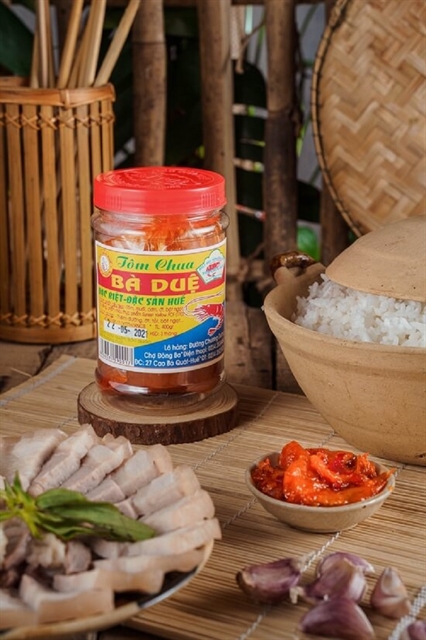
Huế fermented sour shrimp is also visually appealing, with a combination of vibrant colours of orange, pink, yellow and red, and even white, adding a stylish and diverse element to the meal. Its colourful appearance makes the dish even more enticing and memorable.
According to local tradition, fermented shrimp originated in Gò Công in the former province of Tiền Giang, and was introduced to Huế by Queen Từ Dũ in the first half of the 19th century. The dish gained favour with Emperors Thiệu Trị and Tự Đức, and was often served at royal banquets.
At that time, the preparation of the fermented shrimp was adapted to suit royal tastes and became known as 'royal dipping sauce'. Over time, the recipe spread among court ladies and servants before becoming widely known and loved by ordinary people.
It is traditionally served with thinly sliced boiled pork, sautéed bean sprouts, local figs or boiled water spinach. Its distinctive balance of sour, salty, sweet and spicy flavours makes it a popular accompaniment to everyday meals and a cherished part of Huế's culinary heritage.
Personally, I enjoy a bowl of steamed white rice with freshly boiled pork, topped with Huế-style fermented shrimp and served with pickled cucumber. For me, it makes a perfect meal.
Sometimes, I wrap the shrimp in rice paper with fresh herbs, green bananas, starfruit and pickled vegetables, then dip the rolls in sweet and sour fish sauce.
I'm sure this unique combination of flavours will appeal to many diners.
A jar of Huế-style fermented shrimp is undoubtedly a worthwhile addition to any home kitchen. — VNS
