Weather:
- Ha Noi 27oC
- Da Nang 27oC
- Ho Chi Minh 28oC
Dr Andres Sosa*
After treating thousands of patients over the years, I have learned something that rarely appears in medical textbooks. Every patient has a unique story, yet many of those stories share the same lesson.
The people who stay active throughout their lives, whether by walking every morning, cycling on weekends, swimming, playing tennis, going to the gym or simply refusing to become sedentary, almost always grow older with greater independence, better mobility and, perhaps most importantly, less pain.
This observation has shaped my philosophy as an orthopaedic surgeon. Contrary to popular belief, my objective is not to operate. Surgery is an important tool, but it is only one part of modern orthopaedics. My real goal is to help people preserve their joints, maintain their mobility and continue enjoying the activities that give meaning to their lives.
Joint pain is not an inevitable part of ageing
One of the greatest myths surrounding ageing is that joint pain is inevitable. Many people dismiss shoulder pain when reaching for a cupboard, knee pain while climbing stairs or back stiffness after a long day as “just getting older”. They wait months, or even years, before seeking advice. By then, a condition that was once simple to manage may have become significantly more complex.
Our bodies certainly change with age, but they are far more adaptable than most people realise. Muscles respond to training at every stage of life. Balance can improve. Bones become stronger with the right stimulus. Joints can often be protected through timely diagnosis, appropriate rehabilitation and healthy daily habits. Growing older is unavoidable; becoming inactive is not.
Pain is information: don't ignore what your body is telling you
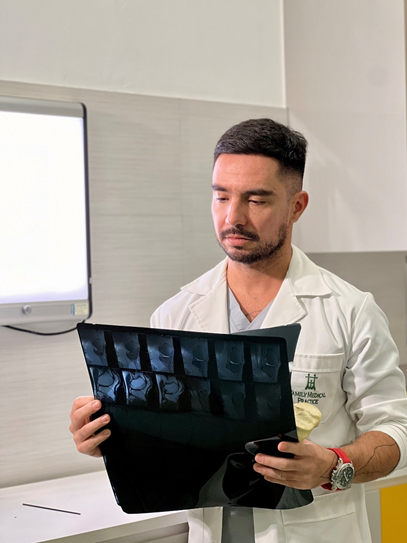
In my practice, I often remind patients that pain is not the enemy. Pain is information. It is the body's way of asking us to pay attention. Ignoring that message rarely makes it disappear. Instead, small tendon injuries become chronic. Minor ligament tears lead to instability. Cartilage damage progresses silently. Arthritis develops gradually, often over many years, long before X-rays reveal its full extent.
The encouraging news is that orthopaedic care has changed dramatically over the past two decades. Today, we focus increasingly on preserving the body's natural structures rather than replacing them. Exercise programmes, physiotherapy, lifestyle modification, ultrasound-guided procedures and carefully selected surgical techniques all aim toward the same objective: keeping people active for as long as possible.
One of the most rewarding moments in my profession is not performing a successful operation. It is telling a patient that surgery is unnecessary because we identified the problem early enough to treat it conservatively. That conversation is far more satisfying than any operation I could perform.
Staying active in Việt Nam
This message is especially relevant for Việt Nam's international community. Many expatriates embrace an active lifestyle, enjoying golf, tennis, pickleball, football, running, cycling and hiking across the country's remarkable landscapes. Remaining active is one of the greatest benefits of living here, but it also requires recognising the difference between healthy muscle soreness and pain that signals a genuine injury.
When should you seek medical advice for joint pain?
So when should you seek medical advice? Persistent pain lasting more than a few weeks, swelling, night pain, repeated joint instability, reduced strength or loss of movement should never be ignored. These symptoms do not necessarily mean surgery. More often, they simply mean that your body deserves a proper assessment before the problem progresses.
As physicians, we cannot stop time. None of us can. What we can do is help people age with better movement, less discomfort and greater confidence in their own bodies. In many cases, that journey begins with a simple decision: not accepting pain as a normal part of growing older.
Age is inevitable. Living with unnecessary joint pain is not. — Family Medical Practice
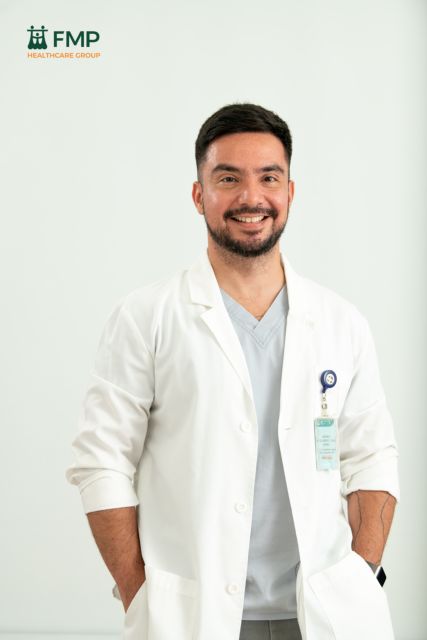
*Dr Andres Sosa, an expert in orthopaedic surgery and sports medicine, specialises in advanced meniscus repair techniques. With training in Italy, the US, Spain and Singapore, he brings world-class expertise to Hà Nội, offering personalised care for active individuals and professionals.
