Weather:
- Ha Noi 28oC
- Da Nang 25oC
- Ho Chi Minh 28oC
HÀ NỘI — Hà Nội’s distinctive food traditions will take centre stage this weekend as the capital hosts the Hà Nội Culinary Culture Festival 2025, an event aimed at honouring the city’s rich heritage while introducing the essence of local and national cuisine to a broader audience.
At a press conference on December 16, the municipal Department of Culture and Sports officially launched the programme titled Hà Nội – A Culinary Journey Connecting Creativity, which will take place from December 19 to 21 at Thống Nhất Park.
The department’s Deputy Director, Lê Thị Ánh Mai, said that the expansion of the city’s administrative boundaries had enriched Hanoi’s culture overall and made its culinary traditions more diverse.
“The Hà Nội Culinary Culture Festival 2025 will contribute to preserving and passing on traditional culinary skills and secrets to the community, especially the younger generation, through demonstrations, hands-on cooking sessions and interactions with artisans," said Mai.
"These activities, combined with various creative initiatives, will generate a wide range of culinary-based cultural products, enhancing the appeal of the heritage and turning it into a driving force for the development of the capital’s cultural industry.”
She added that the festival would bring together artisans who will share the stories behind their food and drinks, helping to connect different generations through activities such as talk shows, workshops and contests focused on cuisine and cooking techniques.
The event offers an opportunity to promote and honour Hà Nội’s cuisine, widely regarded as one of Việt Nam’s most distinctive cultural expressions.
At the opening ceremony, organisers will also announce the decision of the Ministry of Culture, Sports and Tourism to recognise the knowledge and practices involved in preparing and enjoying Lã Vọng grilled fish as National Intangible Cultural Heritage.
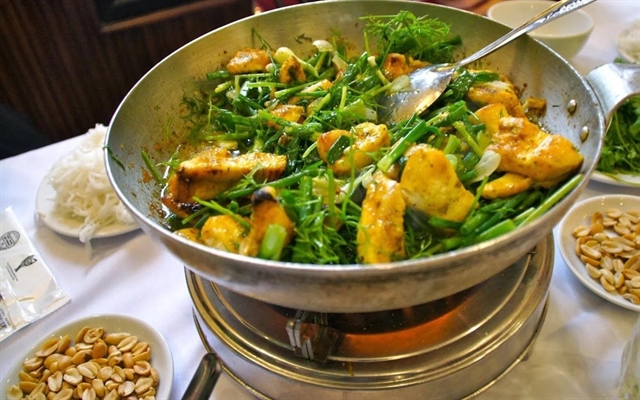
Locals and visitors will have the chance to meet members of the Đoàn family and hear how six generations have created a dish that has become deeply embedded in the hearts and memories of Hanoians.
“The registration of intangible cultural heritage in the national list is not only about honouring heritage values but also about effectively protecting, promoting and transforming heritage into ‘assets’ and resources for the sustainable development of the cultural industry. It also recognises the talents of artisans and contributes to improving the local economy,” Mai said.
Since 2014, the city has carried out an inventory of its intangible cultural heritage, identifying hundreds of culinary heritage items that have since been included on Hà Nội’s heritage list.
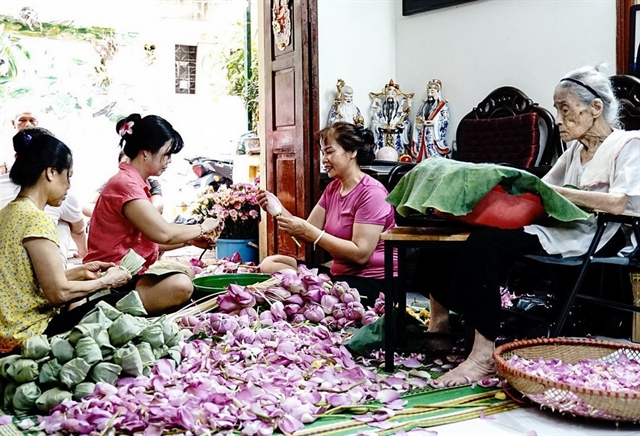
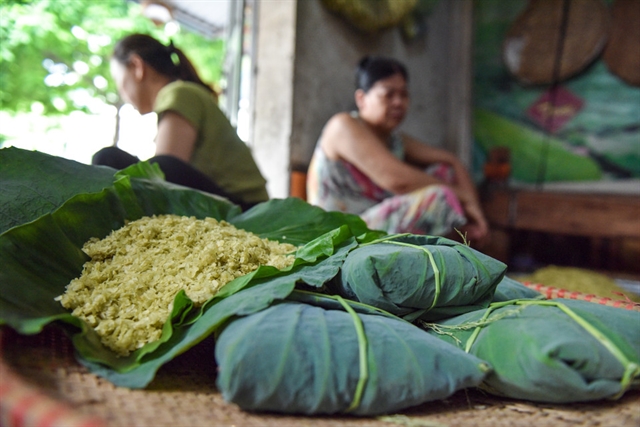
Hà Nội is currently home to several culinary practices recognised on the National Intangible Cultural Heritage list, including the traditional crafts of making Mễ Trì sticky rice flakes and Quảng An lotus-scented tea, cooking Phú Thượng sticky rice and Thanh Trì thick rice paper, the culinary expertise behind the Bát Tràng feast and Hà Nội phở (noodle soup).
According to organisers, demonstrations of bánh chưng (square sticky rice cake) wrapping, cooking cold noodles with snails and preparing preserved fruits and jams are expected to attract strong public interest.
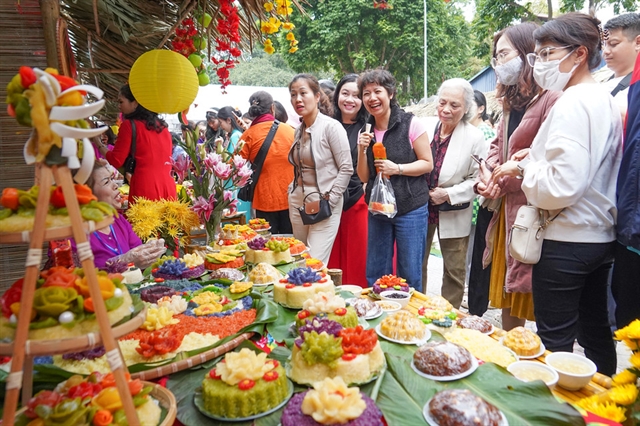
The festival will feature 60 booths showcasing Hà Nội’s signature dishes alongside regional specialities, offering residents and visitors a wide range of distinctive and flavoursome food.
It will also include circus performances, folk singing, photo exhibitions promoting Vietnamese culture, tourism and cuisine, as well as book displays and mobile library services.
Highlighting the role of culinary heritage in developing the cultural industry, Associate Professor Doctor Đặng Văn Bài, vice chairman of the National Council for Cultural Heritage, said that 81 per cent of tourists were willing to spend money to experience a destination’s culinary culture.
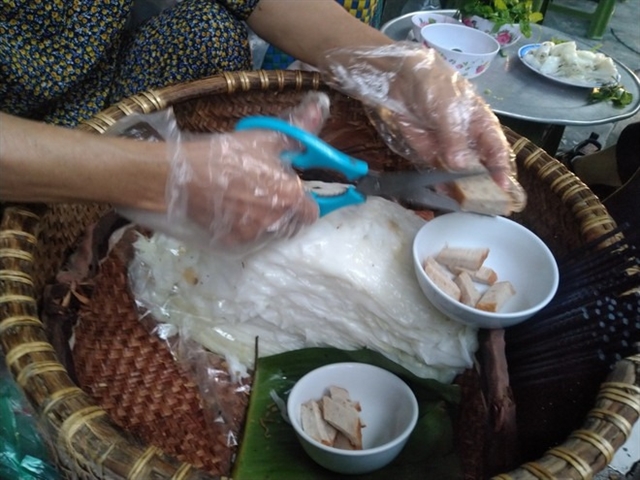
This demonstrates that cuisine is not only a cultural resource but also a distinctive tourism product, making an important contribution to the growth of Hà Nội’s cultural industry and to shaping national cultural identity.
The event is supported by Acecook Việt Nam, which has accompanied the country for 30 years through efforts to research, develop and honour the national dish phở.
At the conference, Shimamura Masafumi, director of Acecook Việt Nam’s Marketing Department, said the company had signed a five-year cooperation agreement with the Department of Culture and Sports and Kinh tế & Đô thị (Economy & Urban) Newspaper to preserve and promote the value of Việt Nam’s culinary culture and industry.
Under the agreement, phở, a symbol of Vietnamese cuisine, is identified as the central focus, to promote it more widely, working towards UNESCO recognition as intangible cultural heritage and introducing it to international audiences. — VNS
