Weather:
- Ha Noi 27oC
- Da Nang 28oC
- Ho Chi Minh 29oC
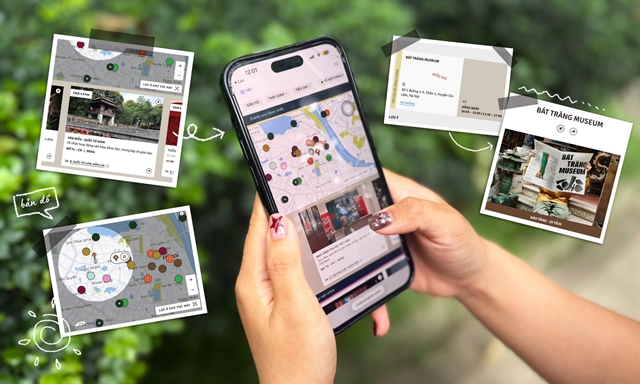
HÀ NỘI — The recent official launch of a digital map for Hà Nội’s cultural and creative spaces network has affirmed the crucial role of culture as a resource for innovation and sustainable development, experts have said.
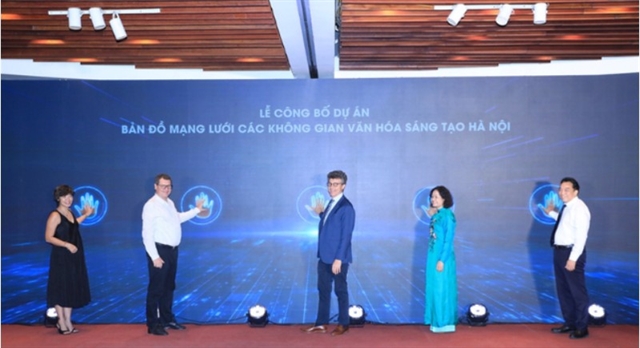
The Hà Nội Creative Cultural Spaces Network Map, an initiative by the city’s Department of Culture and Sports (DoCS) in collaboration with the Hà Nội Museum, which was launched last week at the museum, aims to strengthen connections within the capital’s creative ecosystem and support activities in preparation for the upcoming Hà Nội Creative Design Festival 2026.
It is not just a technological tool but also an important platform for expanding the digital creative ecosystem, paving the way for the festival scheduled to take place in November this year, according to the organisers.
Creative spaces in Hà Nội have been booming in both quantity and quality in recent years. From art studios and design centres to exhibition spaces and community-based creative models, they have formed a diverse network playing a crucial role in public socio-cultural life, experts have said.
These spaces have become meeting points for artists, architects, designers, cultural businesses and the public.
Phạm Thị Lan Anh, Head of the Cultural Heritage Management Office under the DoCS, said these spaces have now developed beyond the scope of traditional art venues.
They have become knowledge connection points where new ideas and humane values for contemporary society are formed, she said.
Expanding from physical spaces into the digital environment has made Hà Nội’s creative network more flexible, diverse and aligned with global development trends. This is particularly important in attracting the younger generation to participate in preserving and promoting the cultural flow of the capital city.
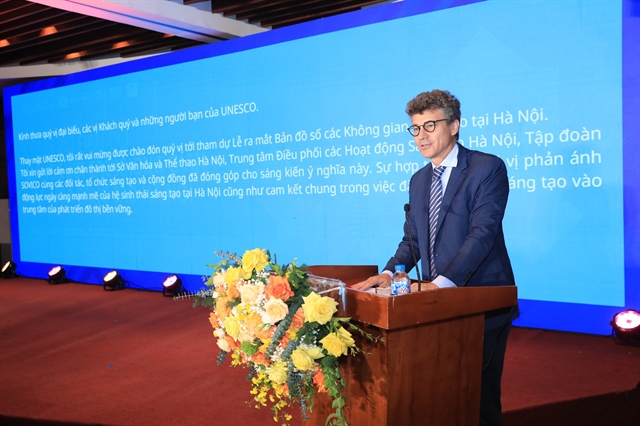
However, Anh emphasised that to build an effectively functioning creative community, the prerequisite is having appropriate mechanisms and policies along with an infrastructure system that meets operational needs.
"At the same time, it is necessary to build trust and cohesion between state management agencies, businesses and the creative community, thereby creating a truly creative playground", Anh said.
The map, completed with support from the UNESCO Office in Việt Nam and the SOVICO Group, allows creative spaces to proactively post information, update activities and events and promote their image to the community in a visual way. It is expected to create a major impetus for mobilising social resources for cultural development.
Through this platform, the image of a dynamic capital city, rich in identity yet also very modern, will be more widely promoted to international friends. This is a strategic step to strengthen the relationship between culture and other fields such as tourism, education and technology.
Furthermore, it is also a tool for building a shared, innovative database, promoting interdisciplinary collaboration and spreading cultural values throughout society.
UNESCO Representative to Việt Nam Jonathan Wallace Baker stated that the map would enhance accessibility and promote public participation in the city's cultural activities. The public's ability to easily search for and engage in creative activities will help foster a love of art and a spirit of innovation within the community.
According to Baker, the initiative is more than just a digital platform. It reflects Hà Nội's development vision as a Creative City where culture is viewed as a driver of innovation, resilience and sustainable growth.
This initiative will help foster deeper collaboration within the creative community, inspire broader public participation in cultural life and further reinforce Hà Nội's position as a vibrant regional centre of creativity, he said.
UNESCO is committed to continuing its partnership with Hà Nội and Việt Nam to promote the creative ecosystem, thereby contributing to making culture a pillar of sustainable development.
In 2019, Hà Nội joined the UNESCO Creative Cities Network (UCCN) in the field of Design, becoming the first city in Việt Nam and the third capital in Southeast Asia to earn this title.
The recognition marked the culmination of efforts by numerous agencies, organisations and individuals across diverse sectors. More importantly, it created momentum for the capital to emerge as a city rich in creative potential and committed to sustainable development.
The Creative City designation is not only an international acknowledgement but also a catalyst for the city to define its urban brand, promote its creative identity and attract investment for its cultural industries.
With more than 1,300 craft villages, 5,800 relics, 1,760 intangible cultural heritage items and 42 museums, Hà Nội is a uniquely diverse cultural centre.
The city has seen a surge in public-space cultural events and street-art activities, which underscores the need for creative spaces that connect creators with audiences. These spaces enrich community life, foster employment, support creative professions and advance the city’s goals for balanced, sustainable development.
Over the past six years, in line with its UNESCO commitments, the city has invested heavily in creative infrastructure. It has developed criteria for categorising creative spaces and is working towards establishing the Hà Nội Creative Space Network.
It now boasts many creative spaces, including art centres, co-working hubs and technology-oriented zones, that serve artists, designers and creative practitioners. Notable examples include Hồ Gươm Theatre, 22 Hàng Buồm Cultural and Art Space and Vincom Centre for Contemporary Art.
Heritage sites have also undergone creative revitalisation with innovative offerings: the Sacred Night tour at Hỏa Lò Prison, the Essence of Learning and Stone History Immortalised 3D mapping shows at the Văn Miếu-Quốc Tử Giám (Temple of Literature) and the Decoding Thăng Long Imperial Citadel tour are being transformed into creative design spaces, preserving history while energising the contemporary urban landscape. — VNS
