Weather:
- Ha Noi 27oC
- Da Nang 28oC
- Ho Chi Minh 27oC
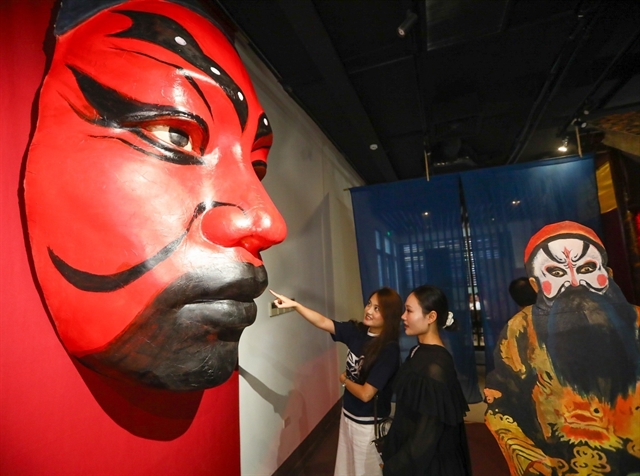
HÀ NỘI – Ten heritage sites and cultural spaces in Hà Nội’s Old Quarter are hosting exhibitions, traditional art performances and interactive activities through November to mark Việt Nam Cultural Heritage Day on November 23 and Việt Nam Culture Day on November 24, as part of the Hà Nội Creative Design Festival 2026.
Organised by Hoàn Kiếm Ward, the programme brings together exhibitions, performances, cultural exchanges and hands-on activities, with each venue offering a different perspective on the capital’s cultural heritage. The initiative aims to bring traditional arts and crafts closer to the public while exploring ways to preserve and promote them in contemporary life.
At the Hà Nội Old Quarter Cultural Exchange Centre at 50 Đào Duy Từ Street, a programme entitled 'Tuồng: Stories from the Past and Present – Beyond Past Glory, What Lies Ahead?' explores the history and future of tuồng, traditional Vietnamese opera.
Running through November, the programme introduces visitors to the art form through displays of costumes, stage props, make-up, music and acting techniques. Artists will perform excerpts, share their experience and guide visitors through aspects of traditional performance. Interactive sessions and discussions will also look at ways to bring tuồng closer to contemporary audiences.
The Arts and Cultural Centre at 22 Hàng Buồm Street is hosting a thematic exhibition on Sơn Đồng craft village, renowned for its wood carving, statue-making and lacquerware decorated with gold. The exhibition traces the village’s history and traditional techniques while highlighting contemporary applications of its craftsmanship.
A discussion entitled 'The Essence of Sơn Đồng Handicrafts' will take place on November 14, focusing on traditional skills, wood sculpture in religious architecture and the use of digital technology in heritage preservation.
At the Heritage House at 87 Mã Mây Street, visitors can discover the refined pastimes of Hanoians throughout history, including tea appreciation and the art of keeping songbirds. The programme offers an insight into the leisure activities and cultural tastes that once formed part of daily life in the capital.
Near Hoàn Kiếm Lake, the Hồ Gươm Cultural Information Centre at 2 Lê Thái Tổ Street is presenting 'The Essence of Traditional Crafts', a journey tracing the development of handicrafts from rural villages to Thăng Long-Kẻ Chợ, the former trading hub of the capital.
Under the theme 'Follow the Craft Villages, Experience Heritage and Take Home the Craftsmanship', the exhibition features an installation entitled 'Kẻ Chợ Wharf: A Boat Carrying Traditional Craftsmanship' and an artwork entitled 'Gathering Fish', comprising 200 fish figures.
The first floor introduces Phú Vinh bamboo and rattan weaving. The second showcases embroidery by artisans Vũ Giỏi and Vũ Đình Thi, including works inspired by the legend of King Lê Lợi returning the sacred sword to Hoàn Kiếm Lake. The third floor presents Bát Tràng pottery through creations by artist Ký Danh. The rooftop is set aside for pottery-making activities, tea tasting and cultural exchanges. The centre also plans to organise 90-minute guided experiences for groups of 15-20 visitors.
Kim Ngân Communal House at 42-44 Hàng Bạc Street will highlight the convergence of traditional crafts in Thăng Long-Kẻ Chợ, featuring bronze casting from Đại Bái Village in Bắc Ninh Province, horn carving from Đô Hai Village in Ninh Bình Province and pottery from Bát Tràng in Hà Nội. Alongside displays of traditional products and tools, visitors can watch bronze-casting demonstrations and take part in pottery-painting workshops.
Five other venues – Hà Vĩ Communal House, the Phúc Kiến Assembly Hall, the Old Quarter Heritage Information Centre, Yên Thái Communal House and Tú Thị Communal House – will present activities introducing traditional crafts and cultural practices, including lacquerware, embroidery and herbal medicine.
The month-long programme across the 10 venues offers visitors an opportunity to explore the diversity of Hà Nội’s traditional arts, crafts and cultural practices. It also seeks to keep this heritage relevant to contemporary life while adding to the capital’s appeal as a cultural tourism destination. — VNS
