Weather:
- Ha Noi 27oC
- Da Nang 26oC
- Ho Chi Minh 27oC

Dr Mattias Larsson*
A recent outbreak of hantavirus-linked disease aboard the expedition cruise ship MV Hondius has drawn international attention and exposed an important reality of modern global health: even rare infections can rapidly become international public health concerns when people travel across continents in close quarters.
As of May 13, 2026, WHO reported 11 cases linked to the ship: eight laboratory-confirmed Andes virus infections, two probable cases, one inconclusive case, and three deaths, giving a reported case fatality (mortality) rate of 27 per cent. All cases were passengers.
Hantaviruses are mainly zoonotic viruses that spread from animals, especially rodents, to humans. However, Andes virus, a species of hantavirus found mainly in South America, is unusual because limited person-to-person transmission has been documented.
The MV Hondius left Ushuaia, Argentina, on April 1, and travelled through remote South Atlantic destinations. It carried 147 people, 86 passengers and 61 crew, from 23 countries. After reaching Tenerife in the Canary Islands on May 10, passengers and most crew were repatriated on special non-commercial flights for quarantine or monitoring; 25 crew members and two Dutch medical workers remained on board as the ship sailed to the Netherlands.
Several countries received passengers for isolation, testing or observation. The United States sent 16 passengers to a quarantine facility in Nebraska and two to Emory University Hospital in Atlanta. France reported one confirmed patient in intensive care and four other returning passengers who tested negative but remained isolated. WHO also reported follow-up of passengers who disembarked in Saint Helena, Cabo Verde and Tenerife.
No publicly available WHO or major agency report has identified any Vietnamese passenger or case. However, Philippine authorities reported that 38 Filipino crew members were on board and entered quarantine procedures before repatriation; no confirmed infection among them was reported in the sources reviewed.
How does hantavirus spread?
As hantaviruses are usually rodent-borne, people can be infected after inhaling virus from contaminated rodent urine, faeces or saliva, especially when cleaning enclosed spaces, entering rodent-infested buildings, camping, farming or working in forested areas.
Andes virus can cause hantavirus pulmonary or cardiopulmonary syndrome, a severe illness beginning with fever, muscle pain, headache, dizziness and gastrointestinal symptoms, followed by sudden breathing difficulty, pulmonary oedema, shock and respiratory failure.
The incubation period is long compared with influenza or COVID-19. Symptoms usually appear one to six weeks after exposure, but may occur as early as one week or as late as eight weeks. WHO advises exposed passengers and contacts to monitor for symptoms for 42 days.
Why are experts monitoring this outbreak closely?
Globally, hantavirus disease is uncommon but unevenly distributed. In the Americas, eight countries reported 229 cases and 59 deaths in 2025, a case fatality rate of 25.7 per cent. In Europe, 1,885 cases were reported in 2023, equal to 0.4 cases per 100,000 population. In East Asia, particularly China and South Korea, haemorrhagic fever with renal syndrome still accounts for many thousands of cases annually, although incidence has declined over recent decades.
Andes virus is unusual because limited person-to-person transmission has been documented, usually after close and prolonged contact with a symptomatic patient. This makes cruise ships, households and medical evacuations more complex, but it does not make Andes virus comparable to SARS-CoV-2. WHO has assessed the global public health risk as low, and CDC stated that broad spread is extremely unlikely.
What does this mean for Việt Nam?
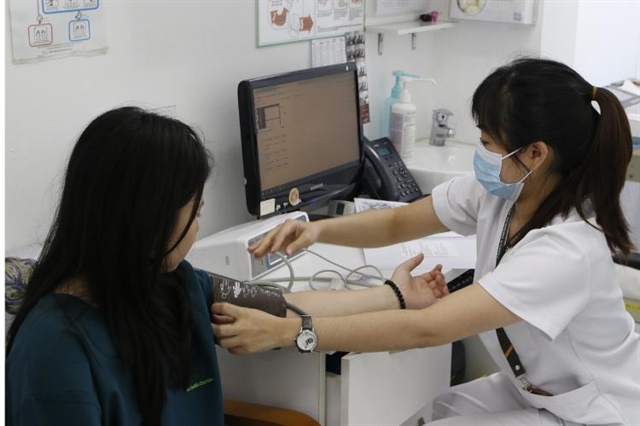
For Việt Nam, although risk for an epidemic is low, preparedness is important. The Andes virus is not endemic in South East Asia, but Asia has other hantaviruses, and Việt Nam has already documented hantavirus-related infections in diagnostic studies.
As several rare zoonotic diseases have emerged in Việt Nam in recent years, strengthened zoonotic surveillance, rodent control, travel medicine, maritime health preparedness and rapid laboratory diagnostics are increasingly important. Individuals with fever or respiratory symptoms following rodent exposure, travel to endemic areas, or close contact with symptomatic persons should seek prompt medical evaluation at internationally accredited healthcare facilities such as Family Medical Practice.

*Dr Mattias Larsson is Medical Director and Paediatrician at FMP Hà Nội and an Associate Professor at Karolinska Institute, and has a long experience in research on infectious diseases. He has worked with the Oxford University Clinical Research Unit and the Ministry of Health of Việt Nam. He is fluent in English, Swedish, Vietnamese, German and some Spanish.
