Weather:
- Ha Noi 29oC
- Da Nang 28oC
- Ho Chi Minh 30oC
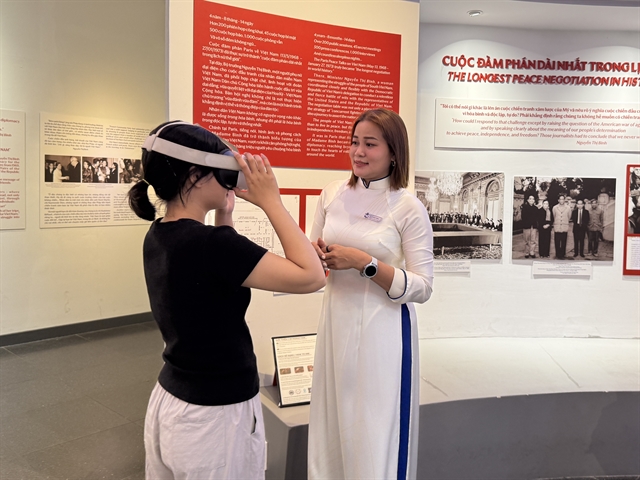
HCM CITY — HCM City is increasingly using digital technology to preserve cultural heritage, make it more accessible to the public, and enhance tourism experiences, experts have said.
The efforts are supported by Resolution No 80 on the development of Vietnamese culture, issued earlier this year, which identifies cultural heritage as an important resource for national development rather than merely something to be preserved.
The resolution set a target of digitalising all heritage assets classified at the national and special national levels by 2026.
The Government also approved a heritage digitalisation programme for 2021–30 for all heritage sites and make them accessible online.
Nguyễn Minh Nhựt, deputy director of the HCM City Department of Culture and Sports, said: “Digital transformation in the heritage sector goes beyond simply uploading images, documents, or artefacts to the Internet. This process necessitates a shift in how heritage is managed, preserved, researched, and promoted.
“Data is the foundation, and technology is the tool that allows us to bring heritage closer to the public.”
Experts stressed the importance of standardising digital data and engaging younger generations in developing cultural spaces in the digital era.
Nguyễn Thị Hậu, general secretary of the HCM City Historical Science Association, said digitalisation is often understood simply as storing information about monuments or artefacts electronically.
“The broader objective is to turn heritage into a data resource capable of serving management, research, education, and innovation.”
She said Việt Nam still lagged behind international standards.
Leading museums worldwide have scanned entire collections in 3D, developed standardised databases, and integrated artificial intelligence to enhance research and visitor experiences, she pointed out.
Digital technology enabled visitors to examine artefacts from different angles, explore architectural details, and follow archaeological excavations virtually, she said.
She said HCM City is well placed to lead heritage digitalisation, given its concentration of technology companies, skilled workforce, and rich cultural heritage.
The city has more than 300 listed heritage sites, but many remain little known or difficult to access, limiting their tourism potential, she said.
Digitalisation alone is not enough, and heritage sites also need engaging activities and compelling cultural narratives to attract and retain visitors, she said.
Experts recommend prioritising traditional southern performing arts such as hát bội (classical opera), cải lương (reformed theatre), and đờn ca tài tử (southern folk music) and historic buildings at risk of deterioration.
Hát bội, traditionally performed mainly in village temples, is now reaching new audiences online.
Nguyễn Thanh Bình, an artist and head of the performing organisation department at the HCM City Hát Bội Art Theatre, said the theatre has digitised traditional plays, musical scores, costumes, and makeup masks.
Interactive virtual spaces allow users to try traditional mask painting, play instruments, and design costumes online, he added.
Museums embrace digital technology
Museums in HCM City are increasingly using holograms, virtual reality, QR codes, and other digital technologies to preserve artefacts and make exhibitions more engaging.
At the War Remnants Museum, technology has transformed how visitors explored historical exhibits.
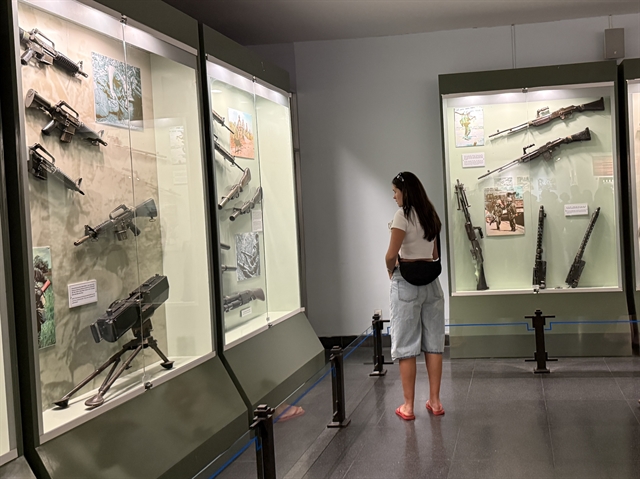
Lâm Ngô Hoàng Anh, deputy director of the museum, said it has introduced 3D holograms, scanned artefacts, VR, and audio guides to broaden access to historical evidence.
Digital services are integrated into the visitor experience before, during, and after a tour of the museum.
Visitors could use automated ticketing systems, personalised audio guides, holograms, and 3D exhibits, while digital archives, VR360 virtual exhibitions, and online feedback channels allow them to continue exploring even after they leave, he said.
Caryll Gregorio, a Malaysian tourist, said: “It has been more fun using audio while going around.
“We get to know the history as we read and see the picture. It is very helpful for us to understand more about what happened during the war.”
The Southern Women’s Museum, selected as a pioneer in the cultural sector's digital transformation programme, has also made progress.
Phạm Thị Diệu, its deputy director, said digital transformation in management and exhibitions is one of its three strategic priorities through 2030.
The museum has digitised more than 1,100 artefacts, with over 100 of them being on display.
The remaining artefacts could be displayed after the expansion of the museum is completed, she said.
The museum has also introduced a 360-degree virtual tour on its website.
“People can explore artefacts from home,” Diệu said.
Lý Tấn Lộc, a college student, said: “I really enjoy learning about culture and history and experiencing the ways that these museums digitise their contents. I found them to be very accessible for young people.
“It is a really lively experience.”
Hậu said digital technology makes it easier for younger generations to explore cultural heritage without visiting museums.
“Young people do not need to physically visit a museum to look at the exhibits but can do so in their home using advanced technology. They can access information and stories related to the relics.”
Such "open museum" models help make exhibits easily accessible to the public, but digitalisation is also needed to safeguard their scientific and cultural heritage for future generations, she added. — VNS
