Weather:
- Ha Noi 24oC
- Da Nang 27oC
- Ho Chi Minh 26oC
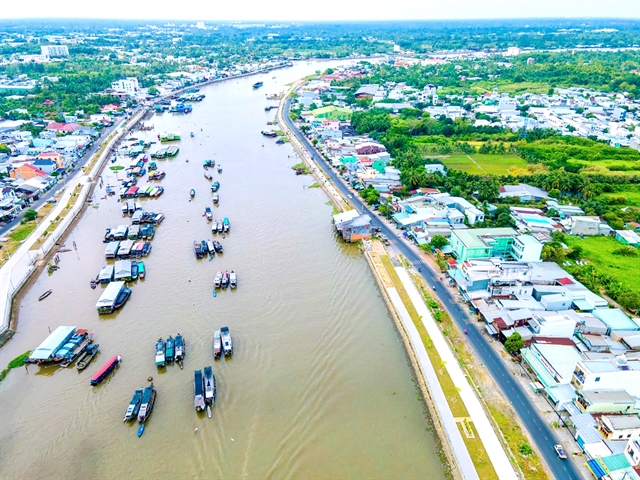
CẦN THƠ — Cần Thơ is promoting its historical and cultural heritage as a means of educating younger generations, fostering national pride and inspiring them to contribute to the city’s sustainable development.
In an era of international integration, historical and cultural sites are more than landmarks preserving memories of the past.
They are important internal resources that nurture cultural identity, foster pride and lay the foundations for sustainable development. They also connect history with the present, helping younger generations understand their roots, appreciate inherited values and recognise their responsibilities towards their homeland and country.
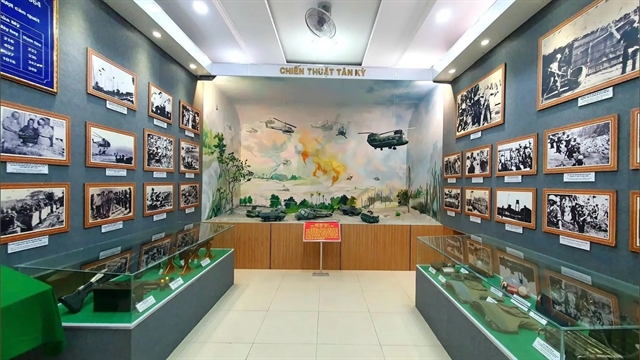
During a visit to the Chương Thiện Victory Site in Vị Tân Ward, Cần Thơ City, Lê Kim Ngân said she felt proud to learn about the heroic battles fought by previous generations through documents, artefacts and photographs, as well as explanations from guides.
“At the outdoor exhibition area, we could see aircraft, artillery and tanks that had been used in combat. What moved me most was seeing the monument depicting the indomitable spirit of our predecessors. The historical stories here have strengthened our pride in our homeland’s revolutionary traditions,” she said.
Alongside the sites themselves, historical artefacts serve as “living museums” that educate young people about patriotism and national pride.
Through visits and historical learning activities, pupils and students can gain knowledge beyond their textbooks and engage with the past through tangible objects, images and stories.
Events they have studied in class become more relatable, while lessons about patriotism, solidarity and perseverance are conveyed in vivid, accessible ways.
Moved by the artefacts on display at Military Region 9 Museum in Cần Thơ City, Huỳnh Phương Anh, a student at Cần Thơ University of Medicine and Pharmacy, said the exhibits reflected not only a period of history but also stories of patriotism, struggle and sacrifice by previous generations.
“Through these artefacts, we gain a deeper understanding of history and learn to appreciate the peace we enjoy today. We can express that appreciation through our own efforts and concrete actions,” she said.
Fellow student Nguyễn Võ Phúc Thiện said young people should strive to learn and develop themselves to become useful members of society.
Gratitude towards previous generations should be demonstrated through the efforts of today’s youth in studying, working and contributing to the community.
As someone who hopes to pursue a career in healthcare, Thiện wants to help more people and contribute to the community. He sees this as a way of expressing gratitude to those who sacrificed so that younger generations could study and grow up in peace.
From historical accounts preserved at heritage sites to visits and hands-on learning activities, history is being brought to young people in Cần Thơ through more accessible and engaging approaches.
These experiences help them better understand their homeland’s revolutionary traditions, the sacrifices of previous generations and the value of peace today.
Promoting heritage values therefore goes beyond preserving historical remains. It also helps nurture patriotism, strengthen national pride and foster a sense of responsibility among young people towards their homeland and country.
This is one practical way to embed cultural and historical values more deeply in everyday life, contributing to the implementation of orientations for Vietnamese cultural development under Politburo Resolution No. 80-NQ/TW, dated January 7, 2026, on Vietnamese cultural development.
A spiritual resource for sustainable development
Cần Thơ City has 108 officially recognised heritage sites, including one special national relic, 31 national-level relics and 76 city-level relics, as well as 16 items of national intangible cultural heritage.
This extensive network provides both a spiritual foundation for the community and an internal resource for sustainable development in line with the orientations of the Party and State.
According to Dr Trần Hồng Thắm, deputy head of the Cần Thơ Party Committee’s Commission for Information and Education, many localities have proactively established coordination mechanisms between the cultural and education sectors and socio-political organisations to turn heritage sites into spaces for experiential learning.
Models such as “heritage schools” and “friendly schools with active students” have been implemented in conjunction with site visits, extracurricular learning and activities to care for and protect heritage sites.
Localities have also adopted creative approaches to linking traditional education with political activities and community cultural events.
Cultural and artistic exchanges at heritage sites have helped build connections between traditional education and tourism development, enabling heritage values to be promoted more effectively in social life.
During the 2026–2030 period, with stronger mobilisation of social resources and digital transformation serving as a driver of implementation, the city’s heritage sites are expected to become vibrant “red addresses” where young people can learn about revolutionary traditions and national pride in natural and meaningful ways, she said.
Nguyễn Minh Tuấn, deputy director of the Cần Thơ Department of Culture, Sports and Tourism, said that, in implementing Politburo Resolution No. 80 on Vietnamese cultural development, the department had advised the municipal People’s Committee on issuing programmes, projects and plans.
By the end of 2026, the city would focus on organising activities to mark Vietnamese Culture Day and Vietnamese Cultural Heritage Day, alongside other events.
These activities aim to promote traditional education, preserve cultural values and link heritage conservation with tourism development in Cần Thơ, he said.
According to Trần Văn Huyến, deputy secretary of the Cần Thơ Party Committee, the committee has consistently identified culture as the spiritual foundation of society, as well as both a goal and a driving force for development, in line with Resolution No. 80-NQ/TW.
The city’s historical and cultural heritage is an important resource for strengthening its identity and shaping the character of Cần Thơ’s people.
It is also an internal resource and an important form of soft power that can support the development of cultural tourism, cultural industries and sustainable growth in the new period.
Heritage conservation and promotion in Cần Thơ have made positive progress in recent years.
The city has gradually adopted digital platforms, virtual reality and artificial intelligence to digitise, manage, display and promote heritage.
These technologies are also being incorporated into heritage education and school cultural activities, helping renew the ways people engage with heritage and bringing historical and cultural values closer to the community, particularly younger generations.
Many localities have also proactively linked heritage conservation with community-based tourism, traditional education and the development of grassroots cultural life, he said.
Efforts to promote Cần Thơ’s historical sites and cultural heritage are gradually becoming an important driver of local socio-economic development, helping shape generations of civilised, modern citizens who take pride in and value their roots. — VNS
