Weather:
- Ha Noi 29oC
- Da Nang 27oC
- Ho Chi Minh 30oC
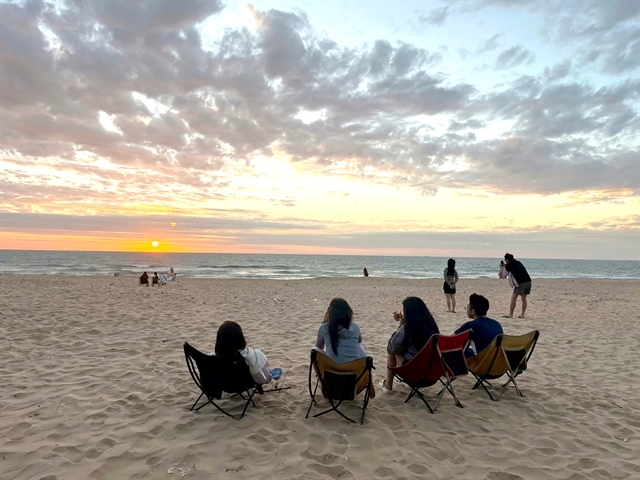
HCM CITY — As travellers increasingly look beyond crowded beach destinations, Hồ Cốc Beach in HCM City is quietly carving out a place as one of southern Việt Nam's most appealing coastal retreats.
Located in Xuyên Mộc Ward, around 125 kilometres from HCM City, the destination combines a long stretch of unspoilt coastline with one of the country's rare coastal forests and a thriving seafood culture.
Unlike many resort towns that have grown rapidly over the past decade, Hồ Cốc still retains much of its natural character.
Visitors arrive not for nightlife or shopping malls but for peaceful beaches, shaded forest trails and simple meals prepared from the morning's catch.
A beach that remains remarkably untouched
The first impression of Hồ Cốc is one of tranquillity.
A broad ribbon of pale sand stretches along the coast, interrupted by clusters of weathered granite rocks sculpted by decades of wind and waves.
The sea is typically calm during the dry season, with clear turquoise water reflecting the early morning light.
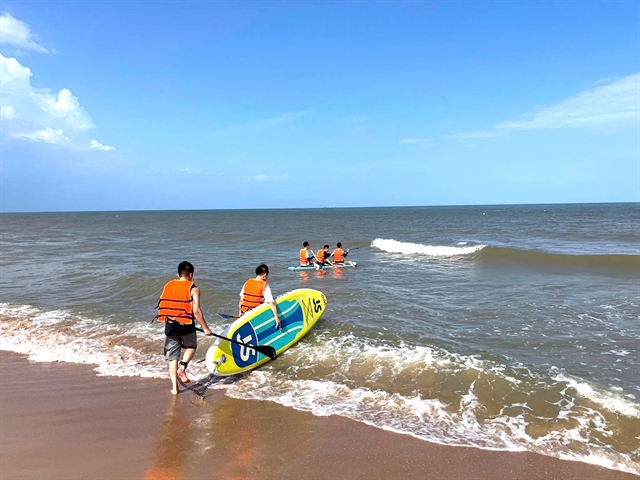
Instead of rows of beach bars or water sports operators, visitors are more likely to find local fishermen repairing their nets or families collecting shells along the shoreline.
The relatively undeveloped coastline has become increasingly attractive to domestic tourists seeking a slower pace of travel.
Sunrise is particularly popular, as soft golden light transforms the rocky shoreline into a favourite location for photographers.
"I've travelled to many beaches in southern Việt Nam, but Hồ Cốc feels completely different," said Nguyễn Minh Anh, a visitor from Hà Nội enjoying a three-day holiday with friends.
"It is peaceful without feeling isolated. You can wake up early, walk for kilometres without crowds and simply listen to the waves. That is becoming quite rare."
Many visitors spend hours walking barefoot along the beach before settling beneath the shade of casuarina trees or reading beside the sea.
Rather than rushing from one attraction to another, Hồ Cốc encourages visitors to slow down and appreciate its natural surroundings.
Discovering an ancient coastal forest
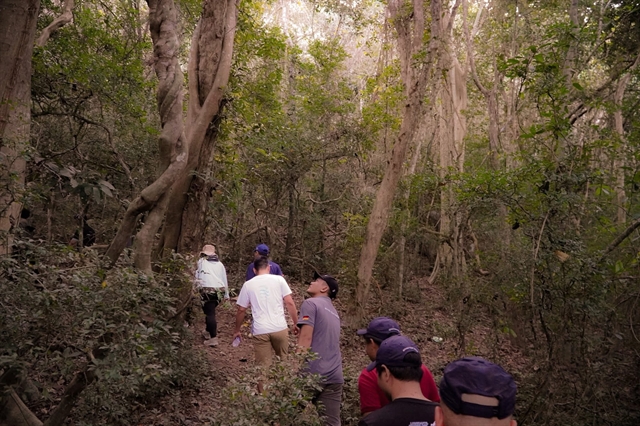
Just minutes from the beach lies another of Hồ Cốc's greatest attractions, the Bình Châu-Phước Bửu Nature Reserve.
Covering more than 11,000 hectares, the reserve protects one of Việt Nam's last remaining lowland coastal forests.
The ecosystem is home to hundreds of plant species, along with birds, reptiles and mammals that continue to thrive despite increasing urban development elsewhere along the southern coast.
Several trekking routes allow visitors to explore the forest under a dense canopy of ancient trees.
Wooden trails wind through bamboo groves, wetlands and freshwater streams before reaching viewpoints overlooking the coastline.
The experience contrasts sharply with the beach only a short drive away.
Morning hikes are especially popular, when temperatures remain cool and birdsong echoes through the forest.
For many visitors, trekking has become one of the highlights of their trip.
"I honestly came here expecting only the beach," said Lê Hoàng Nam, an engineer from HCM City.
"I was surprised to discover such a large forest beside the sea. Walking through the trees after spending the morning on the beach makes the holiday much more diverse."
Local guides say increasing numbers of young travellers are choosing outdoor activities over traditional resort holidays.
Small groups frequently explore the reserve by bicycle or on foot, while nature photographers often spend hours searching for butterflies, wild orchids and native bird species.
Conservation authorities continue to encourage responsible tourism by asking visitors to remain on designated trails, avoid disturbing wildlife and minimise plastic waste.
Fresh seafood defines the local experience
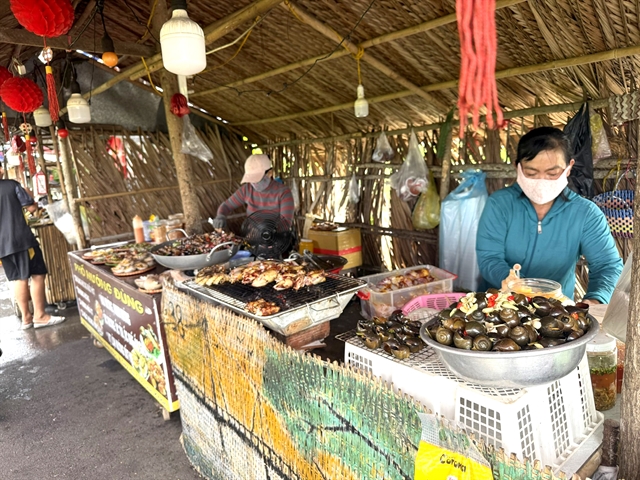
No visit to Hồ Cốc would be complete without sampling its seafood.
Fishing remains an important livelihood for many coastal communities, allowing local restaurants to serve seafood caught only hours earlier.
Visitors can choose from tanks filled with live lobster, swimming crab, squid, clams and a wide variety of fish before having their selections prepared according to local recipes.
Simple cooking methods dominate the menus.
Steamed crab highlights natural sweetness, grilled squid is seasoned lightly with salt and chilli, while oysters are served fresh with lime or baked with spring onions and peanuts.
Many restaurants overlook the sea, allowing diners to enjoy sunset views while watching fishing boats return to shore.
For visitors accustomed to city restaurants, the freshness often becomes the meal's defining feature.
"The seafood tastes completely different because it is so fresh," said Trần Thu Hà, a tourist from Đà Nẵng travelling with her family.
"My children were fascinated watching fishermen unload their catch before we chose what to eat. It became part of the whole experience rather than simply having dinner."
Beyond restaurants, local seafood markets provide another glimpse into daily life.
In the early morning, traders gather to purchase fish, prawns and shellfish directly from returning boats, creating a lively atmosphere filled with the sounds of bargaining and the scent of the sea.
Tourism growing with sustainability in mind
Although Hồ Cốc has seen increasing visitor numbers in recent years, development has remained relatively measured compared with some neighbouring coastal destinations.
Boutique resorts, eco-lodges and homestays have gradually appeared alongside established accommodation providers, offering visitors a range of options without dramatically altering the landscape.
Local authorities have also promoted environmentally responsible tourism by encouraging businesses to reduce single-use plastics and improve waste management while preserving natural ecosystems.
For many travellers, this balance between development and conservation represents Hồ Cốc's greatest strength.
Rather than competing with larger beach destinations through entertainment or large-scale infrastructure, Hồ Cốc continues to attract visitors seeking authenticity and nature.
As southern Việt Nam's tourism industry evolves, destinations that protect their environmental assets are likely to become increasingly valuable.
With its quiet shoreline, ancient forest and seafood traditions still closely tied to local communities, Hồ Cốc offers a reminder that some of the country's most memorable travel experiences come not from crowds or attractions, but from landscapes that have remained largely unchanged.
For visitors willing to slow their pace, the reward is simple: sunrise over an empty beach, birds calling beneath a forest canopy and a seafood dinner prepared from the day's catch – experiences that continue to define Hồ Cốc's enduring appeal. — VNS
