Weather:
- Ha Noi 32oC
- Da Nang 31oC
- Ho Chi Minh 31oC
By Công Thành
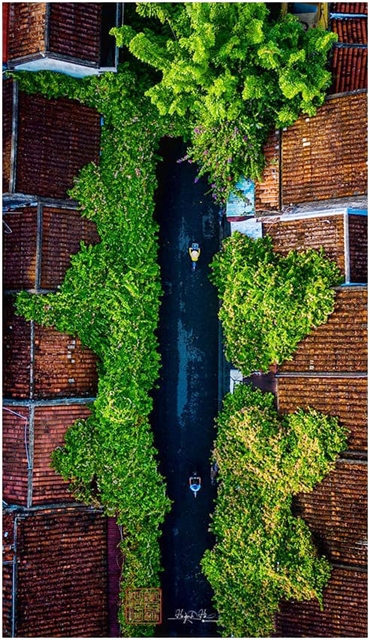
HỘI AN – Tourism in the ancient town of Hội An should shift towards more sustainable practices and more immersive, high-value experientes at traditional craft villages and ecotourism sites in a new era of development.
The tourism hub needs to utilise a Destination Management Organisation (DMO) to deal with increasing overcrowding and mass tourism, as well as the resulting pressures on the environment and infrastructure.
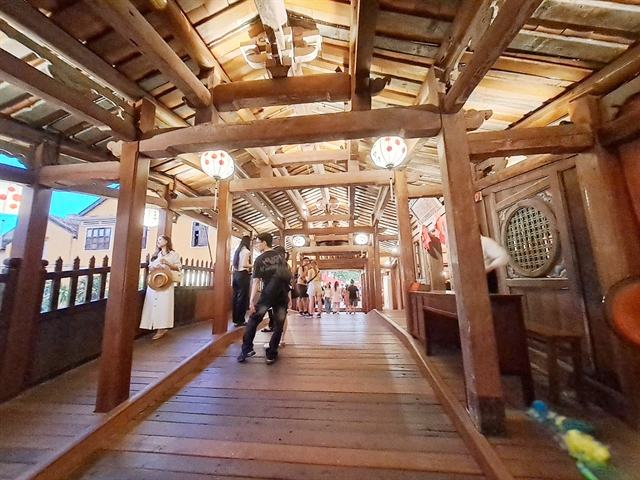
Hoàng Đạo Bảo Cầm, an expert from Việt Nam Institute of Culture, Sports and Tourism, said at a conference on the future development of Hội An heritage, that the town has been grappling with waste management, wastewater, overburdened infrastructure capacity, overcrowding and the negative effects of commercialisation.
“About 38 per cent of residents and tourists interviewed said that the indigenous cultural identity of Hội An has been gradually commercialised, while mass tourism has adversely impacted services,” Cầm said.
He added that a DMO and AI-driven tools could help the town preserve heritage, while boosting tourism sustainably.
Wellness retreat
Lê Quốc Việt, a member of the Quảng Nam Green Destinations Club, suggested that Hội An should promote its traditional herbal wellness retreat zone.
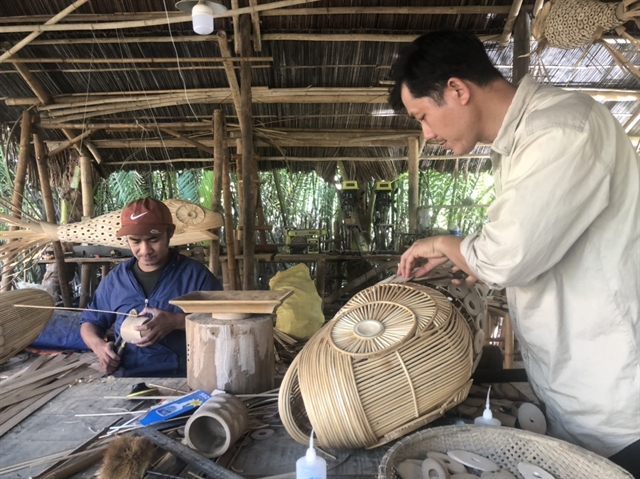
The streets of Phan Bội Châu and Phan Châu Trinh can be linked with Cẩm Hà village, Thanh Hà pottery village and Cẩm Châu into herbal therapy destinations.
“A series of wellness retreat services for visitors including macrobiotic diet, herbal cuisines, hands-one farming and cooking activities should be designed,” Việt said.
Herbal wellness therapy services can be connected with herbal- growing ethnic minority communities in the mountainous areas of Tây Giang and Nam Trà My.
According to Nguyễn Ngọc Bích, an expert from the Swiss Tourism for Sustainable Development project in Việt Nam (ST4SD), a ’green’ tourism initiative network has been introduced to connect the Old Quarter with Trà Quế vegetable village, Củi Lũ, or Driftwood Village, Bamboo Taboo workshop, Soi handmade (fabric scraps fashion), Kim Bồng carpentry village, Thanh Hà pottery community, and the more distant Gò Nổi area, old brick kiln-decorated café and conservation experiences on the Chàm Islands.
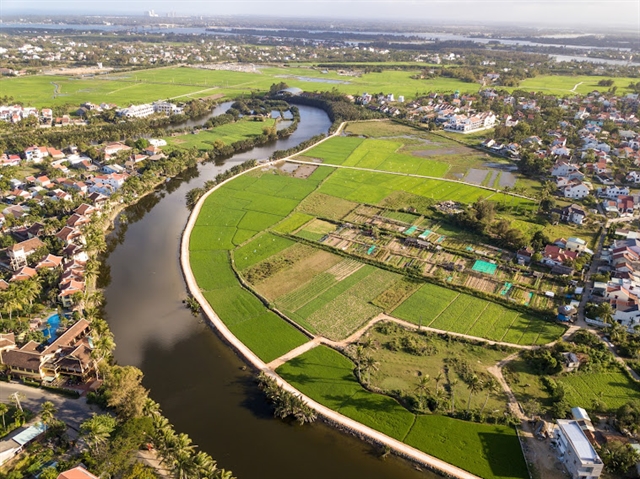
Trà Quế vegetable village, which was named one of the Best Tourism Villages 2024, has become widely known among international tourists, but it should focus on preserving agriculture as the foundation for hosting increasing numbers of tourists, Bích said.
He said the ST4SD project has helped build up a brand identity for Trà Quế village centred on community-based tourism and sustainable practices.
“Stories about traditional farming practices and the use of water from the Cổ Cò River and Trà Quế Lagoon will help visitors explore the trade and lifestyle of the village,” he explained.
In a research on the heritage conservation in Hội An, Phạm Thị Thanh Hường from UNESCO Việt Nam emphasised that only 35 per cent of the five million tourists bought tickets to enter the ancient town in 2025, while 19 per cent of Vietnamese paid for visitors’ tickets between 2012 and 2025.
She wrote: "About 40 per cent of Hội An's 3,000 native residents have left the Old Quarter to move to the suburbs or outside the core heritage zone. Meanwhile, new residents from Hà Nội and HCM City now account for 30 per cent of the total population in Hội An, and the newcomers have redecorated the old houses into shopping spaces.”
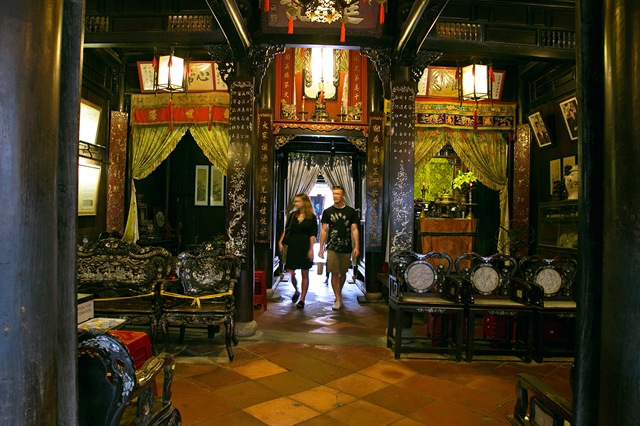
“Some old houses in the ancient town have fallen into ruin, and 19 out of the 30 structurally weak relics have been listed as requiring urgent restoration. The state budget covers 40 - 60 per cent of the restoration costs, but local residents are unable to pay for the remaining costs.”
Phạm Phú Ngọc, director of the Hội An World Cultural Heritage Conservation Centre, said the UNESCO-recognised heritage site has been seeking sustainable solutions to balance tourism growth and heritage conservation.
The ancient town covers 130ha, of which 30ha is a strictly protected core zone with 1,175 relics and old houses. Meanwhile, private and collective ownerships account for 80 per cent of the heritage buildings and old houses in the zone, he said.
Hội An hosted 19.2 million tourists between 2012 and 2026, generating VNĐ2 trillion ($80 million) in revenue from entrance tickets, and tourism, service and trade contributed 70 per cent of Hội An’s total GRDP.
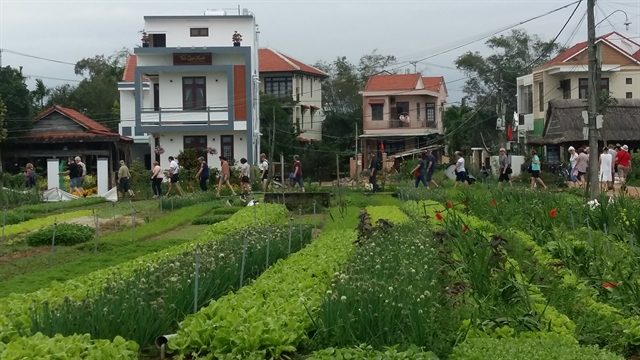
The historic town of Hội An became a member of the UNESCO Creative Cities Network (UCCN) in the Crafts and Folk Art category in 2023.
The town has been designated for development as a national tourism centre by 2045. — VNS
