Weather:
- Ha Noi 25oC
- Da Nang 26oC
- Ho Chi Minh 28oC
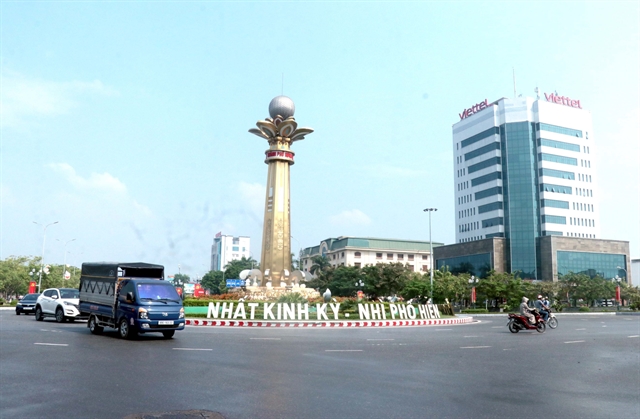
HÀ NỘI — The northern province of Hưng Yên aims to become one of the Red River Delta’s distinctive cultural heritage centres, according to a resolution on promoting the province’s cultural identity and human potential as key drivers of development.
The resolution is among several important documents adopted by the first-term Hưng Yên Provincial Party Committee for the 2025–2030 tenure.
According to Phạm Văn Nghiêm, Vice Chairman of the Hưng Yên Provincial People’s Committee, the province boasts a distinctive cultural identity rooted in its rich heritage as a land renowned for nurturing outstanding talents.
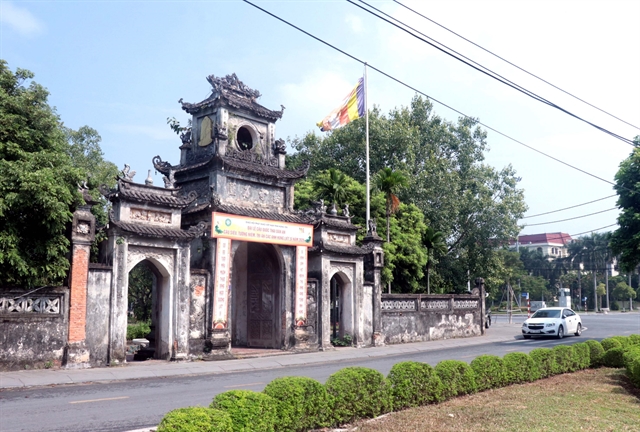
Hưng Yên takes pride in being the birthplace and ancestral homeland of the Trần Dynasty (1225–1400), one of the most prosperous dynasties in Việt Nam’s feudal history, renowned for its glorious military achievements.
The province is also home to Phố Hiến, a famous trading port which was once an important gateway for international trade.
The resolution sets out several targets for 2030.
These include ensuring that 100 per cent of communes and wards have standard cultural centres and at least two basic sports facilities, such as indoor sports halls, sports grounds, stadiums or swimming pools.
It also aims to ensure that all villages and residential quarters have standard cultural centres and sports areas equipped with facilities for physical activities, while 90 per cent of grassroots cultural and sports facilities operate regularly and effectively.
The province wants to have three to five intangible cultural heritage items included in the National Intangible Cultural Heritage List and two to three documentary heritage dossiers recognised in the National Documentary Heritage List. It targets the protection and promotion of the value of all heritage items included in both national lists.
Hưng Yên aims to have 20–30 heritage sites recognised at provincial level, 10–15 at national level and one to two designated as special national relic sites.
The province also targets having one to three artefacts or groups of artefacts recognised as National Treasures, preparing restoration and conservation projects for around 80 ranked heritage sites, and carrying out urgent repairs each year on at least 15 national-level and 30 provincial-level sites.
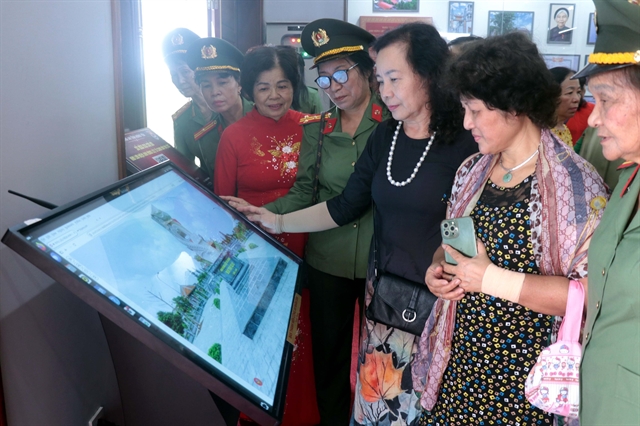
In 2026 alone, the province will prioritise completing the digitalisation of all special national- and national-level heritage sites, in line with the targets set out in Resolution No 80 on the development of Vietnamese culture.
Hưng Yên will also allocate at least 2 per cent of its annual state budget expenditure to the cultural sector, with the proportion increasing gradually in response to practical needs.
Looking ahead to 2045, Hưng Yên aims to become one of the Red River Delta’s distinctive cultural heritage centres.
The province plans to preserve, promote and connect the Special National Relic Site of Phố Hiến, the Special National Relic Site of the Trần Dynasty Kings’ Mausoleum and Temple Complex, and the national relic site of Lỗ Giang Royal Palace, with a focus on developing them into a heritage urban area.
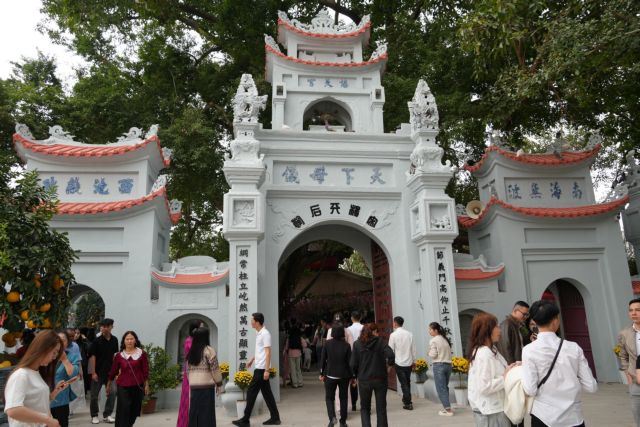
It also aims to secure UNESCO recognition for additional outstanding examples of the province’s cultural and documentary heritage.
The province also plans to develop a number of key cultural and sports facilities to required standards, with sufficient capacity to host and organise major national and international cultural and sporting events.
The Provincial Party Committee have also adopted several other important resolutions, including those on the investment policy for a road linking the Hà Nội–Hải Phòng Expressway with Ring Road 5 of the Capital Region; the construction of the province’s north–south development corridor; and the investment project for the north–south development corridor, covering the section from Nam Tiên Hưng Commune to the coastal road.
Hưng Yên Party Committee Secretary Phạm Quang Ngọc underscored the importance of the newly adopted resolutions, saying they would help drive the province’s socio-economic development in the time ahead.
The resolution on promoting Hưng Yên’s cultural identity and human potential as key drivers of the province’s development in the 2026–2030 period, with a vision to 2045, highlights the guiding principle of recognising Hưng Yên’s culture and people as both the goal and the spiritual foundation of development, as well as a key driving force and important source of endogenous strength.
It places the people at the heart of socio-economic development strategies, focusing on the preservation, restoration and effective promotion of its tangible and intangible cultural heritage, traditional festivals and craft villages, in connection with the development of cultural industries and distinctive eco-tourism and spiritual tourism products.
The resolution also focuses on shaping the values of Hưng Yên’s people in the new era: 'patriotism, civility, compassion, honesty, solidarity, creativity and the aspiration to rise'.
Heads of agencies, units and localities are therefore urged to uphold their sense of responsibility and ensure that 'words are matched by actions', demonstrating strong determination and making every effort to proactively and creatively implement the conclusions and resolutions effectively.
They are also called on to provide comprehensive leadership and direction in carrying out tasks related to Party building and the political system, as well as socio-economic development, in order to fulfil the targets and tasks set. — VNS
