Weather:
- Ha Noi 27oC
- Da Nang 26oC
- Ho Chi Minh 27oC
Anh Đức
Indonesia’s early exit from the SEA Games should not come as a shock. Painful, yes. Embarrassing for a footballing nation that once treated regional tournaments as routine conquests, perhaps. But shocking? No.
If anything, it is the logical outcome of months, even years, of internal friction and misplaced priorities finally catching up with Garuda Muda.
The defeat that ended Indonesia’s SEA Games campaign triggered an immediate backlash at home. Indonesian media were unsparing, calling 2025 a “dark year” for the country’s football. Fans flooded social media with anger and disbelief. Yet beneath the noise lies a more uncomfortable truth. This was not a failure caused by one match or one referee call – it was a structural collapse unfolding in slow motion.
Reports from Indonesian outlets pointed to internal conflicts within the U22 setup. Tensions between players, coaching staff and federation officials reportedly surfaced even before the tournament began. Decision-making was unclear and communication was fragmented. In short, the team arrived at the SEA Games without a shared direction or collective belief, and when pressure mounted, unity cracked.
On the pitch, the symptoms were obvious. Indonesia looked rigid, nervous and disconnected. The intensity that once defined their youth teams was replaced by hesitation. When chances appeared, they were squandered; when opponents pushed back, Indonesia lacked composure. It seemed as if the team were aware of expectations but unsure how to meet them.
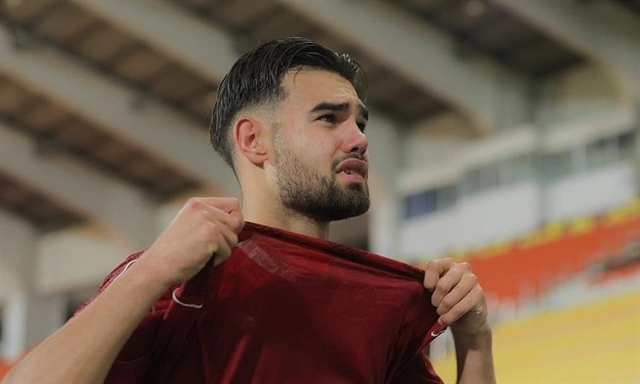
Do not cry for Garuda Muda – not because the players do not deserve sympathy, but because tears change nothing if the same mistakes are repeated. Indonesian football has long relied on emotional rebounds. A loss sparks outrage, followed by promises of reform, then another cycle begins.
The SEA Games elimination also exposed a deeper contradiction in Indonesian football: the country speaks loudly about long-term development, youth pipelines and professionalisation, yet tournament after tournament, short-term targets dominate thinking. Coaches are judged instantly, players are burdened with pressure far beyond their experience and planning bends to public sentiment instead of football logic.
Indonesian media reacted harshly after the exit, with some criticism bordering on personal attacks. While accountability is necessary, the rush to assign blame risks missing the bigger picture: this was not a squad lacking talent, it was a system failing to protect, prepare and empower that talent.
There is a lesson here for the region as well. Success at the youth level cannot be manufactured through slogans or public pressure. It requires stability, trust and patience. Indonesia’s football community must decide whether it wants sustainable progress or emotional highs followed by familiar disappointment.
For Indonesia, elimination from the SEA Games is not the end of a journey, but a warning sign. Ignore it, and the same story will repeat at the next tournament, with different names but identical outcomes; listen to it, and perhaps this painful chapter can become a turning point.
Garuda Muda did not fail alone. They carried the weight of a system still searching for balance, and until that balance is found, results like this will continue to feel less like accidents and more like inevitabilities. VNS
