Weather:
- Ha Noi 25oC
- Da Nang 26oC
- Ho Chi Minh 26oC
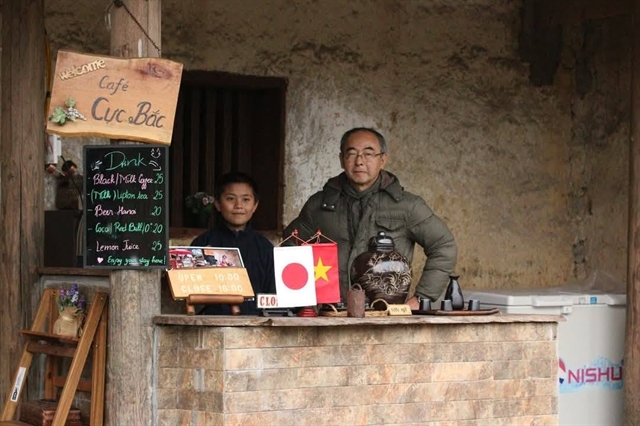
TUYÊN QUANG — Yasushi Ogura has made more than 100 trips to the Hà Giang area. Now approaching 70 years old, the Tokyo-born visitor first came to Việt Nam in 1995 and began travelling regularly to the northern highlands region in 2002.
Since then, he has continued to travel between Japan and Việt Nam’s northern highlands, returning to the rocky plateau that has held his interest for more than three decades.
Ogura was fascinated by the architecture, traditional costumes and the customs of ethnic communities.
In Lô Lô Chải Village, near the Lũng Cú Flag Tower in what is now Tuyên Quang Province, he has become a trusted friend, even teaching himself Vietnamese to communicate directly with local residents.
Ogura was born in 1957 and studied industrial management at the Tokyo University of Science before working for a food company. He took early retirement in 2013 to devote more time to his interests, including the cultures and livelihoods of communities in Việt Nam’s northern mountains.
His involvement eventually went beyond documenting village life. Ogura became convinced that cultural preservation could succeed only if local people had a practical reason to maintain their traditions. Rather than expecting families to sacrifice comfort for the sake of heritage, he wanted to help them make a living from it.
Turning tradition into opportunity
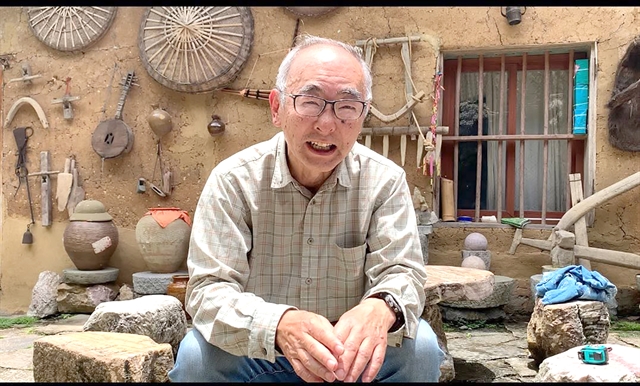
When Ogura first visited Lô Lô Chải in 2011, he was captivated by its traditional nhà trình tường, or rammed-earth houses, with their thick earthen walls, yin-yang tiled roofs and stone fences. Yet he also recognised the difficulties residents faced. Older houses could be damp and inconvenient, while modern concrete buildings offered an attractive alternative.
For Ogura, asking families to preserve uncomfortable homes simply because tourists found them picturesque was not a sustainable solution. The challenge was to make traditional houses economically viable without losing their distinctive character.
Using VNĐ200 million (about US$7,700) from his own savings, he helped a local family renovate part of their home, establish a coffee counter, improve sanitation and landscape the courtyard. Volunteers from Hà Nội helped teach the family how to prepare drinks and serve customers.
The result was Cà phê Cực Bắc (Northernmost Coffee), which gradually became a popular stop for visitors to the northernmost reaches of the country. Ogura did not take an ownership stake or claim a share of the profits. The business remained entirely in the family’s hands.
His approach reflected a principle that has guided his work ever since: local people should retain ownership of their homes and cultural resources, as well as the income generated from them.
Empowerment, not charity
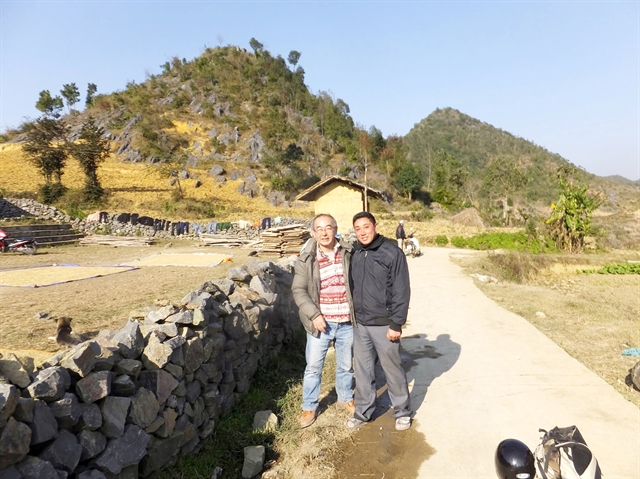
The transition was not easy. The family had little experience in hospitality and limited foreign-language skills. With guidance and practical support, however, they gradually learned to welcome visitors and run the café.
The additional income helped reduce their reliance on farming and gave their children better opportunities to pursue higher education. Their daughter, a university graduate, later returned to participate in the family’s tourism business.
Other households began to recognise the potential of tourism, opening homestays, selling handicrafts and offering local food. Traditional houses and everyday activities that had once been seen primarily as features of rural life became assets that could support household incomes.
Ogura nevertheless remains wary of development that leaves communities with little control over their own resources. If outside investors acquire local properties and capture most of the profits, residents risk becoming employees on their own land rather than beneficiaries of tourism.
For him, weaving, cooking, farming and other daily activities do not need to be staged as performances. Shared in their natural setting, they offer visitors meaningful encounters with local culture while allowing communities to maintain their way of life.
This model of grassroots innovation reflects the spirit of the Politburo’s Resolution 57-NQ/TW on breakthroughs in science, technology, innovation and national digital transformation. Innovation does not always require sophisticated technology. It can also involve finding new ways to use existing resources, create economic value and enable people to shape their own development.
Preserving heritage for the future
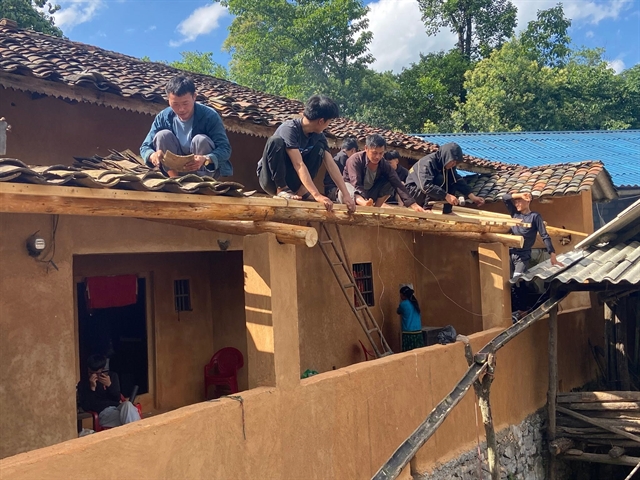
Tourism also brings challenges. As visitor numbers grow, families may replace traditional houses with concrete buildings, remove stone fences or alter their surroundings to accommodate more guests. Such changes can gradually erode the character that makes the villages distinctive.
Ogura believes preservation is more likely to succeed when traditional homes provide tangible benefits to their owners. If a house can generate income, families have a stronger incentive to maintain it. The aim is not to freeze village life in the past, but to ensure that modernisation does not come at the expense of cultural identity.
His vision now extends beyond Lô Lô Chải. Working with local authorities, he has supported ideas for 'living museums' in Mông communities, where residents can continue living and working in traditional rammed-earth houses, farming, weaving and keeping bees while welcoming visitors.
Digital tools could further support these efforts by helping younger residents document elders’ stories, record traditional building and weaving techniques, and promote local products and homestays online. Used thoughtfully, technology can help communities share their heritage with wider audiences without replacing the traditions themselves.
These initiatives also offer a practical way to connect digital transformation with cultural preservation: local people remain the custodians of their heritage, while new tools help them document, manage and communicate it.
After more than 100 journeys to Việt Nam’s northern highlands, Ogura continues to pursue his vision quietly. He does not seek to run local businesses himself or make communities dependent on outside assistance. Instead, he wants residents to build sustainable livelihoods from the resources they already possess.
His experience points to a simple lesson: heritage is more likely to endure when preservation brings direct benefits to the people who maintain it. When communities can earn a living from their traditional homes and cultural practices while retaining ownership of them, safeguarding the past becomes a meaningful choice for the future. — VNS
