Weather:
- Ha Noi 26oC
- Da Nang 29oC
- Ho Chi Minh 32oC
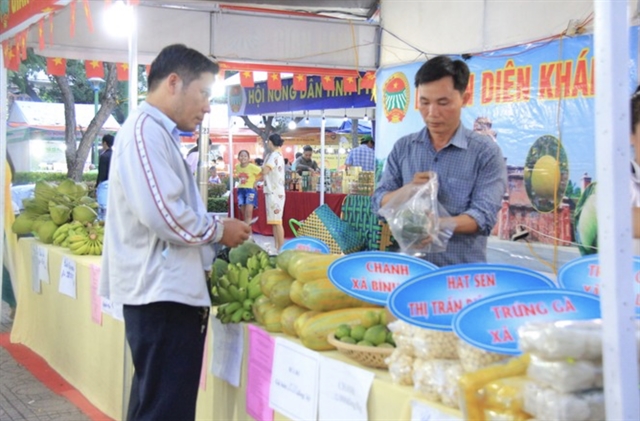
KHÁNH HÒA — Khánh Hòa is aiming to turn its signature OCOP products such as bird’s nest, agarwood, sea grapes, grapes and mangoes into “tourism ambassadors” to help promote the province’s image and boost rural economic revenue in the 2026–30 period.
Under Decision No. 1577/QĐ-UBND recently issued by the provincial People’s Committee, the OCOP development scheme linked with tourism will follow a green, ecological and circular agricultural model integrated with multiple values.
The province expects local products carrying strong indigenous identities to enhance the attractiveness of Khánh Hòa as a tourism destination.
Khánh Hòa is currently home to many well-known OCOP products including bird’s nest, sea grapes, agarwood, garlic, mangoes, pomelos, durians, asparagus, goat meat and lamb. Priority will be given to products rated four stars or higher, as well as unique products that do not overlap with those of other localities, to be developed into “tourism ambassador” products.
Under the plan, by 2030 at least 10 per cent of OCOP products are expected to be linked with tourism activities. The province also plans to establish at least 30 OCOP-tourism introduction and experience sites in areas with convenient transport links and connections to tourist attractions.
A provincial-level OCOP exhibition site will also be built to serve promotional and visitor experience activities.
Khánh Hòa is simultaneously accelerating digital transformation in product promotion and consumption. Accordingly, all OCOP introduction sites will integrate QR codes, allowing visitors to access information and cultural stories behind the products.
All OCOP products associated with tourism will also be made available on e-commerce platforms, smart tourism applications and the provincial tourism website.
The province plans to pilot 360-degree videos for at least 10 signature products to enhance digital experiences for visitors.
Besides product development, Khánh Hòa aims to build experiential tourism models linked with indigenous culture, including sea grape tourism, agarwood craft villages, Chăm brocade weaving and tours of specialty raw material areas.
“OCOP tours” will be connected with travel companies, hotels and resorts, while sales channels will be expanded at airports, railway stations and tourism sites.
The scheme targets revenue from tourism-linked OCOP products to account for at least 15 per cent of total OCOP revenue across the province.
The provincial People’s Committee has requested that implementation ensure synchronisation, feasibility and sustainable development, while strengthening coordination among departments, sectors and localities and encouraging the participation of businesses, cooperatives and communities to further promote local cultural values.
Tourism is considered a key growth driver for Khánh Hòa. According to the tourism sector’s plan, the province aims to welcome around 18.8 million overnight visitors in 2026, including 6.3 million international arrivals and 12.5 million domestic tourists, with projected tourism revenue of about VNĐ77 trillion (US$3 billion).
In the first quarter of 2026, the province welcomed around 2.5 million overnight visitors, up more than 21 per cent year-on-year. International arrivals reached approximately 1.1 million, while total tourism revenue was estimated at over VNĐ20.4 trillion (US$785 million). — VNS
