Weather:
- Ha Noi 28oC
- Da Nang 26oC
- Ho Chi Minh 28oC
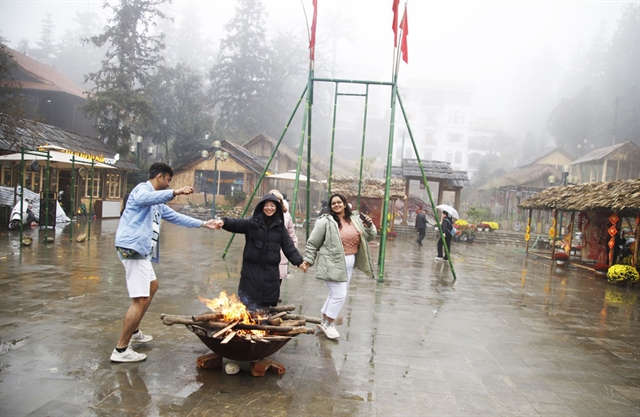
LÀO CAI — The northern mountain province of Lào Cai is seeing a strong rise in tourism revenue, driven largely by a growing number of international visitors willing to spend more on high-quality experiences.
According to the provincial Department of Culture, Sports and Tourism, total tourism revenue in the first six months of 2026 reached VNĐ25.37 trillion (around US$1 billion), fulfilling 50 per cent of the annual target. The figure reflects not only the province’s continued appeal but also a notable shift in visitor behaviour, with foreign tourists increasingly spending more on accommodation, tours and cultural experiences.
International arrivals have been a key driver of this growth. In the first half of the year, Lào Cai welcomed more than 6.7 million visitors, achieving nearly 60 per cent of its annual plan. Of these, about 941,000 were foreign tourists, up 31 per cent year-on-year.
Visitors from Southeast Asia accounted for a large share, with the Philippines leading at nearly 60,000 arrivals, followed by rising numbers from India and China. The upward trend from these markets has contributed significantly to the province’s tourism earnings.
Tourism authorities said international visitors tend to stay longer and spend more than domestic travellers, particularly on premium services such as boutique accommodation, guided trekking tours and wellness experiences.
Lào Cai’s appeal lies in its diverse tourism offerings, which align well with the preferences of international travellers. Cultural experiences in ethnic minority villages, trekking routes through terraced rice fields and the province’s dramatic mountain landscapes remain key draws.
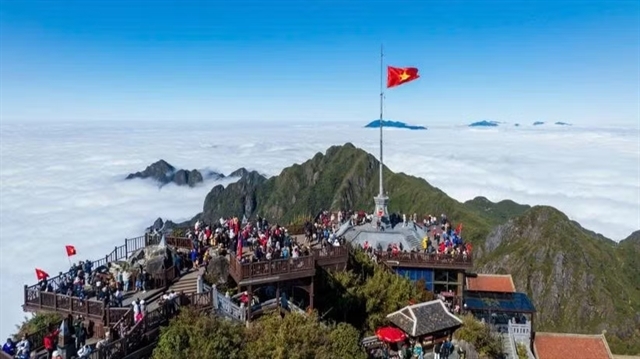
Sa Pa and the Fansipan area continue to be the province’s flagship destinations, attracting large numbers of foreign visitors. The destinations have also received international recognition in recent years.
Fansipan was named the World’s Leading Natural Landscape Tourist Attraction by the World Travel Awards for six consecutive years from 2020 to 2025. Sa Pa has been listed among the world’s most beautiful small towns by Condé Nast Traveler and ranked among trending global destinations by Tripadvisor. It has also been recognised as one of Asia’s top mountain destinations by Agoda.
Sun World Fansipan Legend has also earned multiple regional and global awards, reinforcing the area’s reputation as a high-quality tourism hub.
For many international visitors, Lào Cai offers more than sightseeing. Amara, a tourist from the Philippines who stayed in Sa Pa for a week, said the destination is ideal for relaxation and wellness. The air is fresh and the landscape is beautiful. Walking in nature and spending time in the forest helps reduce stress and improve health.
Lào Cai is also strengthening its position as a gateway for cross-border tourism. Sharing a border with China’s Yunnan Province, the locality benefits from convenient transport links and increasingly streamlined immigration procedures.
The Lào Cai International Border Gate has seen a surge in traffic during recent holidays. During the four-day New Year holiday in 2026 alone, more than 50,000 people passed through the border gate, highlighting the growing demand for cross-border travel.
Authorities are now shifting their focus towards attracting higher-spending visitors as part of a broader strategy to develop tourism into a key economic sector by 2030.
The province is prioritising the development of high-quality tourism products, including cross-border tours and heritage routes in the northwest region, while strengthening links between domestic and international markets.
Community-based tourism is also being developed to meet international standards. Destinations such as Nghĩa Đô, Tả Phìn, Tả Van and Bản Liền are being upgraded towards ASEAN-standard community tourism models.
Among them, Nghĩa Đô stands out as a model for sustainable tourism development linked with cultural preservation. The area retains a well-preserved Tày cultural space, with more than 1,000 traditional stilt houses, folk singing practices and traditional crafts still part of daily life.
Local homestays have become popular among foreign visitors seeking immersive experiences. At La Beauté Nghĩa Đô homestay, guests can take part in traditional activities such as natural dyeing and bamboo weaving, or join local families in preparing traditional food and celebrating cultural events.
Aimée, a tourist from France, initially planned to stay in Nghĩa Đô for a few days but extended her visit to two weeks. She said she wanted to stay longer because she could truly live with the local community.
Several cultural elements in Nghĩa Đô have been recognised as national intangible cultural heritage, while its homestay cluster has received the ASEAN Homestay Award. The 'Nghĩa Đô Community Tourism Village' brand has also been officially registered, providing a foundation for structured and sustainable development.
Local authorities said the goal is not only to expand accommodation but to build a complete community tourism ecosystem in which residents play a central role in managing services and benefiting directly from tourism.
To reach its target of welcoming 3.5 million international visitors by 2030, Lào Cai plans to further expand key markets, including Northeast Asia, Southeast Asia and the Pacific, while gradually restoring the Chinese market.
The province is also targeting high-end travellers from Western Europe, North America and Eastern Europe, while strengthening cooperation with major international tour operators.
At the same time, efforts are being made to improve human resources and enhance tourism services in line with national and international standards. — VNS
