Weather:
- Ha Noi 22oC
- Da Nang 24oC
- Ho Chi Minh 31oC
AF Reeves - @afreeves23
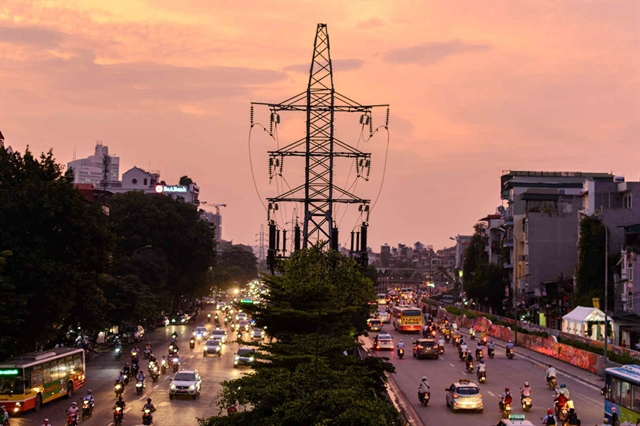
Driving a motorcycle in Việt Nam is one of the most talked about aspects of life here. Whether you’re a tourist, here for a few years, or a lifer, it’s a hot topic, maybe the hottest. From the frustration of congestion and the air pollution it feeds, to the thrill of riding through one of the most beautiful countries on earth, or the bureaucracy of the process itself, it’s a simple act wrapped in a complex reality.
Whether you commute out of necessity, with Hà Nội notably unsuited to pedestrians, or you’re someone for whom riding is fundamentally tied to your existence here, we all take the physical and sometimes financial risk of getting behind the bars and joining the bizarre school of honking fish that floats through the city. Ask people who’ve been here a while: some think nothing’s changed, others reminisce about simpler times.
Regardless of who you speak to and whichever stage of denial they find themselves in, things are changing, and it’ll catch up with us ‘expats’ too. This year brought harsher fines which, to my eyes, are still a visible deterrent. Next came the AI cameras, a recent addition to a street near you, always watching, our navigational and operational faux pas’ on record. The future? Well, whether you’ll be riding a petrol-powered bike in the city this time next year remains to be seen.
But what if I told you there’s another change, one made years ago, the consequences of which are only now being felt? A small faction of readers may well have scoffed at the notion of their motoring misdemeanours being traced, trusting the registration plate on their bike has a somewhat limited connection to them. How many of us can honestly say that their ‘blue card’ (registration document), has our own name on it? How many could tell me which name is actually on it without checking?
This is a problem. A cursory glance shows that laws around the sale and purchase of motorbikes have been formalised for some time, with renewed pushes in 2020 and 2023 respectively to enforce them. Yet most deals still amount to a transfer or some cash in exchange for some laminated plastic and a vehicle, with a sales contract to add a dash of formality if you’re lucky.
The reality? If the person on your blue card is alive and traceable, they can expect fines in the post for your indiscretions. “How can this be? Where’s the justice?” I don’t really hear you cry. Well, the responsibility for unregistering a bike sits with the previous owner, and the responsibility for having a properly registered one is on you. With the aforementioned surveillance in action, this can and will become a more pressing issue in years to come.
As with painting riders as the poster boys of the city’s pollution problem, and the linguistic hurdles of obtaining a licence to ride legally here, my sympathy is with the citizens. It’s a bureaucratic and technological catch-22: modern systems and new societal expectations colliding with the norms of yesteryear. But, for better or worse, the price of progress has to be borne by someone, whether you asked for it or not.
