Weather:
- Ha Noi 27oC
- Da Nang 27oC
- Ho Chi Minh 28oC
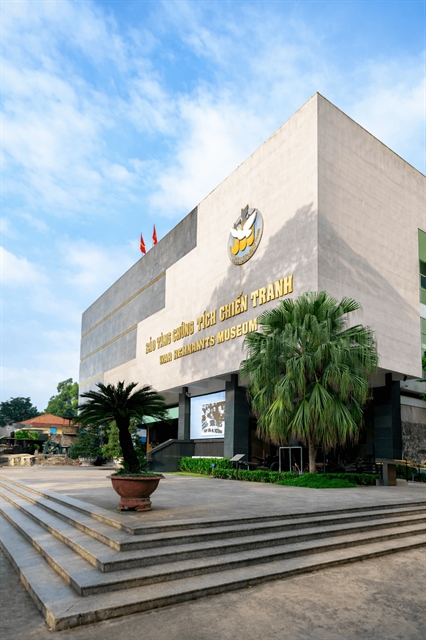
HCM CITY — A visitor slips on a virtual reality headset inside the War Remnants Museum and suddenly finds history unfolding all around them. Across Hồ Chí Minh City, experiences like this are redefining museums, transforming them from quiet repositories of artefacts into dynamic cultural destinations where technology, heritage and entertainment converge.
As the city searches for new engines of growth, museums are increasingly being repositioned as catalysts for the creative economy, combining digital innovation, immersive heritage experiences and night-time tourism to support its ambitious development goals.
Resolution 80 on cultural development, issued in January 2026 by the Communist Party of Việt Nam, affirms culture as a vital endogenous resource for economic development. In HCM City, the modernisation and restructuring of the museum network has become more than a matter of heritage preservation, emerging instead as a pragmatic economic strategy.
Positioning museums as the nucleus of the night-time economy and a critical link within the cultural industries value chain is expected to contribute significantly to the city’s ambition of achieving double-digit economic growth.
The transformation is already under way. Across the city, museums are embracing digital technologies, immersive storytelling and new visitor experiences to attract broader audiences while creating fresh cultural and commercial value.
Bringing heritage to life
Perhaps the clearest sign of this transformation is the shift from simply preserving artefacts to creating interactive experiences through technological innovation.
Rather than remaining static cultural institutions where history is confined behind glass cases, major museums across HCM City have proactively adopted technology to transform heritage into a “living" entity, enabling visitors to become active participants in the process of discovery rather than passive observers.
At the War Remnants Museum, technological applications have brought about transformative changes.
Lâm Ngô Hoàng Anh, deputy director in charge of management and operations at the museum, said that amid rapid scientific and technological advances, the museum has implemented a range of solutions, including 3D digitisation and virtual reality (VR) experiences, to better serve the public.
Beyond physical visits, audiences from around the world can access the museum’s website to explore both permanent and thematic exhibitions through its 3D virtual exhibition platform.
Technology has also enabled exhibitions to resonate more deeply with visitors.
Carlos Magno, a tourist from Brazil, expressed his emotions after visiting the museum, noting that it was his first trip to Việt Nam and that the experience had left a profound impression on him.
He said the authentic images and historical materials, combined with modern interactive technologies, conveyed the devastating realities of war and the enduring value of peace, inspiring him to share this humanitarian message with friends around the world.
Sharing the same vision of shifting from a static to a dynamic model, the Southern Women’s Museum has achieved notable results after becoming one of the first institutions selected by HCM City to participate in the cultural sector’s digital transformation programme.
Nguyễn Quốc Chính, deputy director of the Southern Women’s Museum, said the institution had identified digital transformation in management and exhibition activities as one of its three core strategic solutions through 2030.
The museum had collaborated with specialist partners to scan and digitise more than 1,000 artefacts for hologram display technology, while also developing a 360-degree virtual tour integrated into its official website.
According to Chính, visitors previously viewed artefacts only through two-dimensional displays. Today, digital technologies allow them to explore objects from multiple angles in three dimensions, with full 360-degree perspectives.
This transformation from “dead objects” into “living artefacts” has created a more vivid and engaging experience, enabling visitors to better appreciate the resilience, courage, loyalty and industriousness of Vietnamese women throughout the nation’s history.
Notably, both museums have adopted highly effective strategies to engage Generation Z, the future audience of cultural heritage.
The War Remnants Museum does not seek to teach history through conventional or prescriptive approaches. Instead, it attracts young visitors through the natural appeal of its exhibitions and by promoting a message of peace.
The museum also makes extensive use of short-form videos and engaging online content across its website and Facebook page, effectively turning young visitors into ambassadors who help disseminate its values.
Similarly, the Southern Women’s Museum has narrowed the gap with Gen Z audiences through active promotion on social media and the development of a TikTok channel.
Short videos lasting between 30 and 60 seconds introduce artefacts and historical narratives in concise and creative ways, sparking curiosity and encouraging young people to visit the museum in person.
Night-time economy
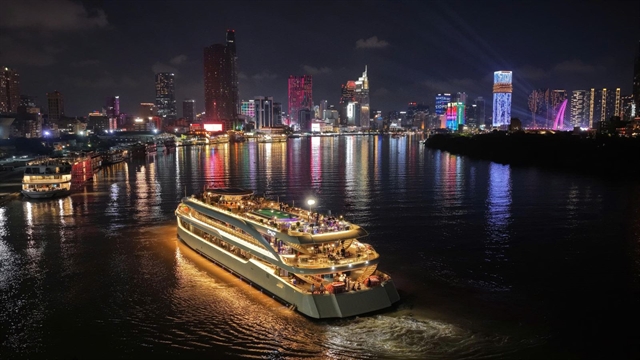
Tourism experts believe that HCM City’s museum network should receive targeted investment to become a strategic destination for the high-value MICE tourism segment, which combines meetings, incentives, conferences and exhibitions.
To attract this high-spending market, museums must offer unique heritage-based creative products under the concept of “on-site cultural exports”. More importantly, they should be positioned as central pillars of the city’s night-time economy.
Recognising this inevitable trend, museums across HCM City have quietly been preparing strategic initiatives for night-time tourism.
Deputy director Anh of the War Remnants Museum stressed that the night-time economy had become an essential development trend for cultural heritage sites worldwide and that the museum could not afford to remain on the sidelines.
The museum is currently finalising preparations for the launch of a distinctive night-tourism project.
The initiative will offer a groundbreaking historical and cultural experience, combining immersive visual and audio technologies with advanced projection art, and is expected to become one of the city’s flagship creative economy products after dark.
Following the same direction of expanding the creative economy at night, heritage institutions in neighbouring localities are also diversifying their services.
The Bà Rịa–Vũng Tàu Museum and Library is working closely with consulting partners to develop and launch a “Night Experience” programme at the Côn Đảo Special National Historical Relic Site.
The initiative is regarded as a pioneering step for the island, aimed at maximising the value of this living historical classroom after sunset, creating a distinctive tourism offering while deepening public engagement with heritage and enhancing the cultural tourism supply chain.
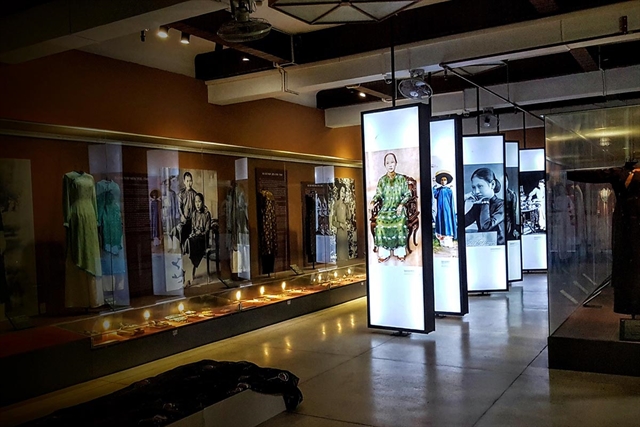
The private sector is also embracing this shift. The “Rural Market” model at the Áo Dài Museum has demonstrated the dynamism of the night-time economy by continuously maintaining and upgrading its traditional cultural experience space.
Huỳnh Ngọc Vân, director of the Áo Dài Museum, said that by combining museum functions with evening folk cuisine activities and performances of UNESCO intangible cultural heritage forms such as đờn ca tài tử and traditional lullabies, delivered with the participation of local residents, the museum had established a visitor-friendly and integrated service ecosystem.
This experiential economy model had significantly increased both visitor length of stay and spending, while simultaneously creating sustainable livelihoods for local farmers.
Towards greater autonomy
Despite these achievements, museums continue to face numerous resource constraints in their efforts to become drivers of the creative economy.
If digital innovation and the night-time economy represent the new opportunities, financial sustainability remains the decisive factor in turning those ambitions into long-term reality.
To achieve that, museums in HCM City are no longer passively waiting for state funding but are increasingly transitioning towards more flexible and autonomous operating models.
A notable example is the War Remnants Museum, which currently operates as a public service unit with autonomy over recurrent expenditure.
Instead, thanks to enhanced visitor services and comprehensive technological upgrades, attendance has continued to grow significantly.
Likewise, at the Southern Women’s Museum, Chính noted that although admission had traditionally been free of charge, the museum’s strategic roadmap to 2030 includes plans to introduce ticket sales and strengthen partnerships with schools and businesses to expand social participation and gradually move towards full financial autonomy.
Trần Thế Thuận, director of the HCM City Department of Culture and Sports, emphasised that the sector should focus on developing museums according to the principles of professionalism, modernity and cultural identity, transforming them into repositories of urban memory, centres for community education, spaces for cultural creativity and attractive tourism destinations.
The city also aims for eligible museums to achieve First-Class Museum status and become official members of the International Council of Museums (ICOM) during the 2028–30 period, while gradually attaining full autonomy over recurrent expenditure.
If successful, the transformation will redefine the role of museums in HCM City. Rather than serving solely as guardians of the past, they will become dynamic cultural spaces where heritage, technology, tourism and commerce intersect, creating value not only for visitors but also for the city's economy.
As Resolution 80 of the Party Central Committee places culture at the heart of national development, HCM City's museums are positioning themselves to become more than places of remembrance — they are emerging as engines of creativity, innovation and sustainable growth. — VNS
