Weather:
- Ha Noi 36oC
- Da Nang 27oC
- Ho Chi Minh 33oC
Mỳ quảng (Quảng Nam-style flat rice noodles), known as a culinary symbol of Quảng Nam, is a speciality regarded as a must-try dish in Đà Nẵng, Hội An and central Việt Nam. Chairman of the Đà Nẵng Culinary Culture Association Lý Đình Quân spoke to Việt Nam News reporter Bùi Hoài Nam about preserving the traditional craft while promoting the dish through tourism.
What is the idea behind building mỳ quảng as a brand?
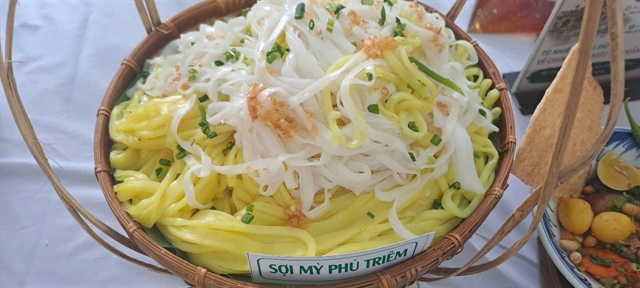
Mỳ quảng is not just a dish, but can be seen as a living heritage of the former south-central province of Quảng Nam [now part of the enlarged Đà Nẵng City].
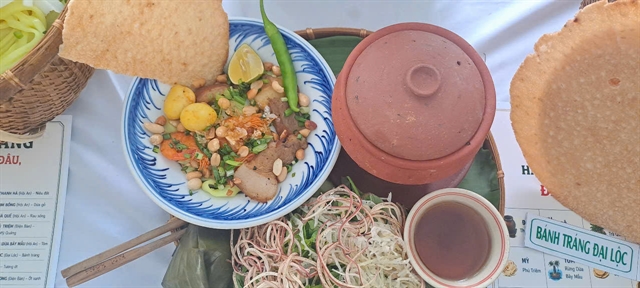
A bowl of mỳ quảng showcases the local culinary style, landscape and character of the people of Quảng Nam and Đà Nẵng – simple in preparation yet rich in flavours that reflect the region's unique identity.
The dish must retain this identity as it becomes more widely known through global gastronomy and tourism. It also requires innovation for sustainable growth, but its traditional character and the origins of its ingredients should be preserved. The entire value chain can include farmers, craftspeople, chefs, restaurants, processed food and gift products, craft-based tourism experiences, festivals, trade and international markets.
A foodie visiting the Quảng Nam-Đà Nẵng region should not only taste a bowl of mỳ quảng, but also hear the full story behind the dish and how it's made by chatting with noodle makers and restaurateurs.
One bowl of mỳ quảng often costs around US$2, but it could add value to tourism by helping visitors learn about the history and culture of local communities.
That’s why I hope that mỳ quảng will become a cultural ambassador to the world and a symbol of the region and the development of Vietnamese culinary culture.
How has mỳ quảng been marketed as a tourist attraction?
We have not yet collected data on the number of mỳ quảng restaurants nationwide, but the dish can be found in many cities and provinces, including Hà Nội, HCM City and localities across central Việt Nam. However, Quảng Nam-Đà Nẵng remains a major centre, with thousands of mỳ quảng restaurants and vendors.
Most mỳ quảng restaurants across Việt Nam still use the traditional ingredients: pork and shrimp or chicken. Even people from central Việt Nam can find good mỳ quảng almost anywhere in the country.
The Đà Nẵng Culinary Culture Association has been creating a mỳ quảng data map for the Quảng Nam-Đà Nẵng region and plans to expand it nationwide and even internationally.
Making effective use of this data will help build stronger promotional and branding campaigns for the noodle dish, helping to make it a tourism promotion tool.
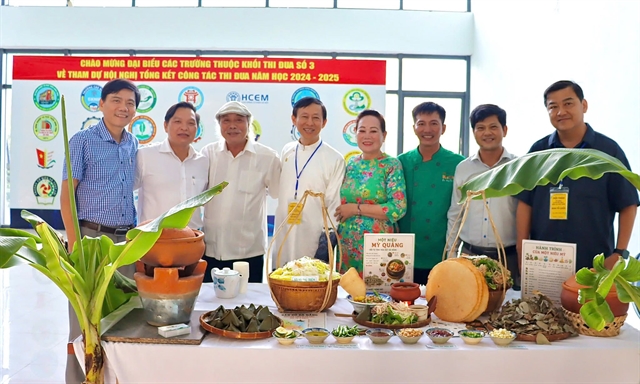
Mỳ quảng should be promoted as a cultural ambassador that helps showcase the culture, tourism and trade of the central region globally.
Cuisine-related storytelling is one of the most effective ways to introduce a region's culture and attract visitors from around the world.
Travellers will remember the flavour of a dish they have tasted during a trip, and the story behind the food, whether told by a chef or discovered on a food tour through a local market or craft village, may remain a treasured memory long afterwards.
We have been bringing together culinary researchers, artisans, chefs and businesses to set up a qualification process for mỳ quảng makers, alongside the development of standard recipes and culinary maps.
An ecosystem of restaurants, businesses, tourism, vocational centres, technology and media has emerged to help mỳ quảng reach the global market.
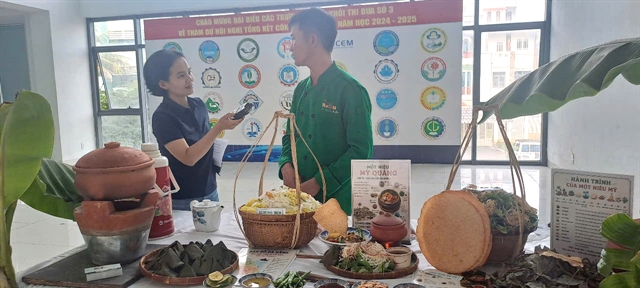
We plan to promote Mỳ Quảng Day as a regular event to highlight the craft skills, creativity, experiences, international exchanges and innovation surrounding mỳ quảng.
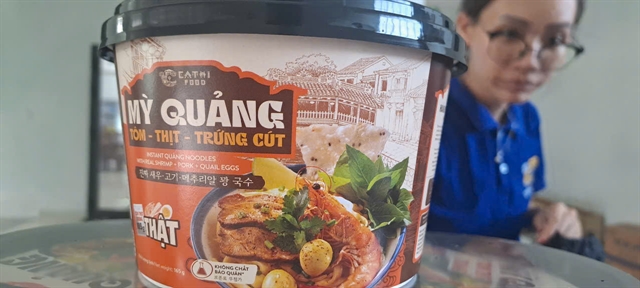
The association has identified a series of specialities from Đà Nẵng and the central region, including rice paper rolls with pork, Cầu Mống veal, Đà Nẵng seafood, vegetarian cuisine, herbal tea, fish sauce and Ngọc Linh ginseng and other medicinal herbs, alongside OCOP (One Commune One Product) items for tourism promotion.
Mỳ quảng and the signature foods of Đà Nẵng - Quảng Nam should be marketed as must-try dishes for all visitors to the region.
What are the main challenges in developing mỳ quảng as a brand?
The original knowledge and basic skills of making mỳ quảng in some craft villages and families have been guarded as family secrets. This know-how is at risk of disappearing, as younger generations often prefer easier or more modern jobs rather than making traditional foods by hand.
Local senior artisans, chefs and families are finding it difficult to pass on their skills to younger generations. Meanwhile, their knowledge of making mỳ quảng has yet to be documented for preservation and education purposes.
The association is looking into building an ecosystem that helps senior craftspeople pass down their skills through training courses at vocational schools.
Meanwhile, the value chain is being developed through production, investment, marketing and tourism.
Mỳ quảng needs to be promoted as a living heritage, a contemporary brand and a driving force for future growth in international markets. — VNS
