Weather:
- Ha Noi 24oC
- Da Nang 30oC
- Ho Chi Minh 32oC
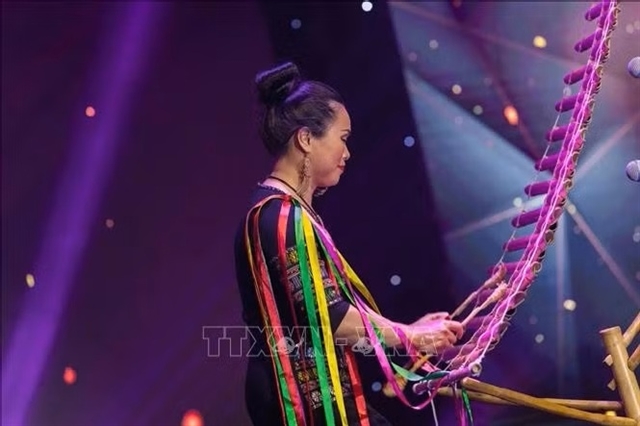
SYDNEY — As Việt Nam focuses more on promoting cultural soft power and drawing on the talents of its overseas community, Vietnamese artists abroad are becoming vital bridges that bring the nation’s cultural identity closer to audiences around the world.
Minh Hà Patmore, an artist from the Vietnam-Australia Cultural Exchange Organisation (VACEO), said overseas Vietnamese artists can serve as natural “cultural ambassadors”, connecting Việt Nam with international friends through art.
Speaking to Vietnam News Agency correspondents in Sydney, Hà highlighted their advantage of understanding both their homeland’s culture and the cultural environment of their host countries. Living in multicultural Australia enables them to understand the tastes and ways of thinking of local audiences, helping them present Vietnamese values in forms that foreign audiences can appreciate.
Politburo Resolution No. 80-NQ/TW on Vietnamese cultural development identifies culture as a foundation, an endogenous resource and a source of national soft power, while stressing the need to promote national culture abroad and encourage artists to preserve and spread Vietnamese values.
Drawing on her experience performing and teaching in Australia, Hà said traditional Vietnamese music has considerable appeal among multicultural audiences. The distinctive sounds of the đàn tranh (zither), bamboo flute and other traditional instruments often arouse curiosity among first-time listeners. In her view, when music plays, language barriers are partly diminished, making way for emotional resonance. For this reason, art can serve as one of the most direct ways for international friends to gain a deeper understanding of the Vietnamese people, history and cultural identity.
For Vietnamese communities abroad, traditional music also helps maintain connections between generations and their homeland. This aligns with Resolution No. 23-NQ/TW on overseas Vietnamese affairs, which focuses on building a strong community that preserves the Vietnamese language and cultural identity while serving as “ambassadors” for the country and its people.
Traditional instrument classes organised by Hà and her colleagues in Australia provide young Vietnamese, particularly those born and raised there, with opportunities to explore Vietnamese heritage and develop pride in their national identity.
However, Hà said promoting traditional arts overseas faces challenges, including generational cultural gaps, limited resources and competition from global cultural trends.
If traditional music is presented only through conventional methods, attracting younger audiences will become increasingly difficult, she said.
Hà said turning the orientations of Resolutions 80 and 23 into tangible results requires concrete support mechanisms, including stronger connections between domestic cultural agencies and overseas Vietnamese artists and organisations.
She called for support in the form of instruments, digital teaching materials, training programmes and assistance in organising regular performances and cultural exhibitions, while urging Vietnamese representative missions abroad to promote such activities.
Hà also suggested combining traditional instruments with contemporary styles such as world music and fusion to engage younger audiences while preserving the core identity of Vietnamese music.
According to Hà, the overseas Vietnamese community holds significant cultural resources. With better connections, support, and opportunities, overseas Vietnamese artists can contribute more effectively to promoting Việt Nam and its people while helping younger generations maintain strong ties with their cultural roots and homeland. — VNA/VNS
