Weather:
- Ha Noi 25oC
- Da Nang 26oC
- Ho Chi Minh 25oC
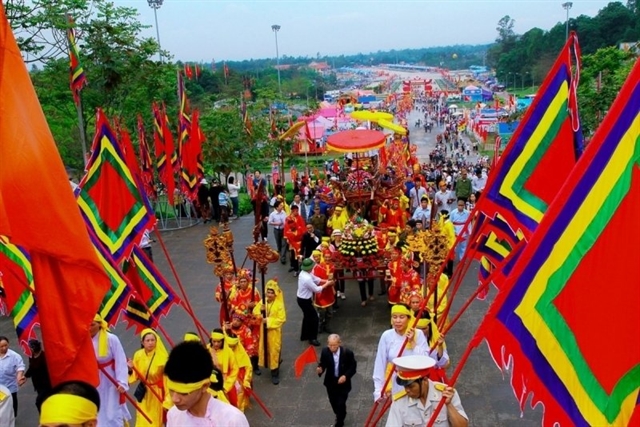
PHÚ THỌ — In Việt Nam, cultural heritage is not confined to temple courtyards, ancient communal houses or museum displays.
Instead it lives in the songs passed down through generations, the rituals that bring communities together and the knowledge preserved by artisans and cultural practitioners.
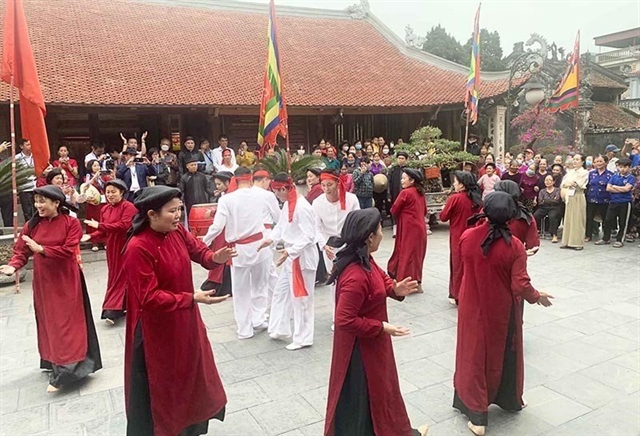
Among the best-known cultural treasures associated with Phú Thọ are the Worship of Hùng Kings and Xoan Singing, both recognised by UNESCO for their significance to Việt Nam’s cultural heritage. While ancestral worship reflects the nation’s historical roots and spiritual traditions, Xoan Singing preserves a distinctive form of folk music closely connected with village life and communal festivities.
The region is also associated with other important traditions, including ca trù, a form of traditional sung poetry in which a female vocalist performs with rhythmic clappers and instrumental accompaniment; the practices associated with Vietnamese beliefs in the Mother Goddesses of Three Realms, a spiritual tradition centred on the worship of mother goddesses associated with heaven, water, and mountains and forests; and tugging rituals and games. Together, these cultural expressions reflect the richness of Việt Nam’s spiritual life, performing arts and community customs.
Preserving heritage today involves more than protecting historic buildings or recording traditional performances. It requires finding ways to keep these practices relevant to contemporary life, particularly as younger generations encounter culture through increasingly digital environments.
For Phú Thọ, the challenge is to ensure that the traditions of the ancestral land remain a living part of community identity while opening new opportunities for education, cultural exchange and tourism.
Heritage as a resource for sustainable tourism
The province is seeking to connect its cultural assets with a broader tourism offering that brings together historical sites, traditional festivals, folk performances, natural landscapes and leisure experiences.
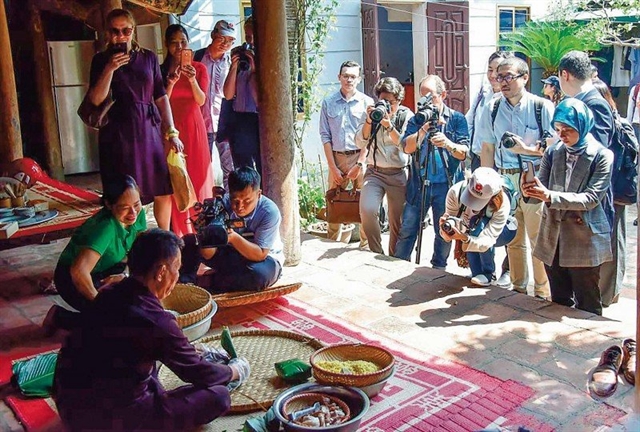
Such an approach can help visitors look beyond individual attractions to understand the stories and cultural practices that give destinations their distinctive character. A visit to a heritage site can become more meaningful when accompanied by explanations of local customs, opportunities to experience traditional arts or encounters with the people who continue to practise them.
Heritage tourism can also create opportunities to earn livelihoods from cultural knowledge and traditional skills. Artisans, performers, guides and small businesses can all contribute to experiences that give visitors a closer connection.
The key is to ensure that tourism supports rather than undermines conservation. Cultural practices should not be reduced to performances staged solely for visitors, while restoration and commercial development must respect the authenticity of heritage sites.
Community participation is therefore essential. Residents need to have a meaningful role in decisions about how their traditions are presented, protected and shared, as well as opportunities to benefit from tourism development.
By linking heritage with local livelihoods and more immersive visitor experiences, Phú Thọ can strengthen the relationship between cultural preservation and sustainable economic development.
Digital transformation opens new possibilities
Technology is creating new opportunities to document, manage and promote cultural heritage. Digitising records of historical sites, architectural features, artefacts and traditional practices can help preserve valuable information and make it more accessible to researchers, educators and the public.
Digital platforms can also provide visitors with historical background, interactive interpretation and information about local traditions before they arrive at a destination. For younger audiences, multimedia content and other digital formats can offer more engaging ways to explore the past.
In August 2026, Phú Thọ announced a plan to implement the national digital transformation scheme for the cultural sector through 2030, with a vision towards 2045. The plan focuses on developing digital cultural resources, expanding digital cultural products and services, and applying technology to heritage preservation, management and promotion.
A separate provincial plan for developing cultural industries, announced in September 2026, sets the target of digitising all special national-level and national-level relics, museums and traditional houses by 2030. It also aims to introduce suitable digital services, including electronic ticketing, digital interpretation and cashless payments, at all recognised tourism destinations and key heritage sites.
These ambitions align with Resolution No. 57-NQ/TW of the Politburo, which identifies science and technology, innovation and digital transformation as key drivers of national development.
Applied to heritage, this direction offers a framework for combining conservation with more effective management and wider public access. Digital records can support research and education, while interactive content can help visitors discover the historical and cultural context behind the places they explore.
However, technology should complement rather than replace direct encounters with heritage. A digital archive may preserve a record of Xoan Singing, but it cannot fully convey the experience of hearing the music performed in a traditional setting or learning its rhythms from an experienced practitioner.
The real value of digital transformation lies in strengthening the connection between heritage and the people who sustain it.
Communities pass the legacy forward
For intangible cultural heritage, continuity depends on practice and transmission between generations. Songs, rituals and traditional knowledge survive because people continue to perform, teach and incorporate them into community life.
Xoan Singing illustrates the importance of this process. Training activities and performances in traditional communal spaces can give younger generations opportunities to learn the art form while developing a deeper understanding of its cultural significance.
Schools, community organisations and cultural institutions also have a role to play. Introducing local history and traditional arts through educational activities and experiential visits can help young people connect what they learn with the places and communities around them.
At the heart of these efforts are artisans, performers and older residents who hold specialised knowledge. Their skills cannot be replaced by digital records alone. Providing opportunities for them to teach, perform and share their experiences is essential to keeping traditions alive.
Alongside these community-based efforts, Phú Thọ has introduced a new policy framework for heritage conservation. Resolution No. 27/2026/NQ-HĐND, adopted by the provincial People’s Council on June 30, 2026, provides mechanisms to support investment in the repair, restoration and rehabilitation of ranked heritage sites during the 2026–30 period.
Such measures can help strengthen the physical foundations of conservation, while community participation ensures that the cultural meanings associated with these places continue to be understood and practised.
Ultimately, Phú Thọ’s heritage will remain valuable not simply because historic sites are preserved or digital archives are created, but because people continue to find meaning in their traditions.
By combining conservation, technology, education and sustainable tourism, the province can bring its cultural legacy into closer contact with contemporary life. The aim is not to turn the past into a static display, but to ensure that the ancestral land’s traditions continue to inspire future generations. — VNS
