Weather:
- Ha Noi 30oC
- Da Nang 29oC
- Ho Chi Minh 31oC
PHÚ THỌ — The northern province of Phú Thọ, the sacred ancestral land and cradle of the Vietnamese nation, is home to a rich legacy of cultural heritage and traditional values passed down through generations.
As international integration deepens, preserving cultural identity, promoting traditions and showcasing the people of this ancestral land will help enhance Phú Thọ’s appeal and standing while reflecting its aspirations for development.
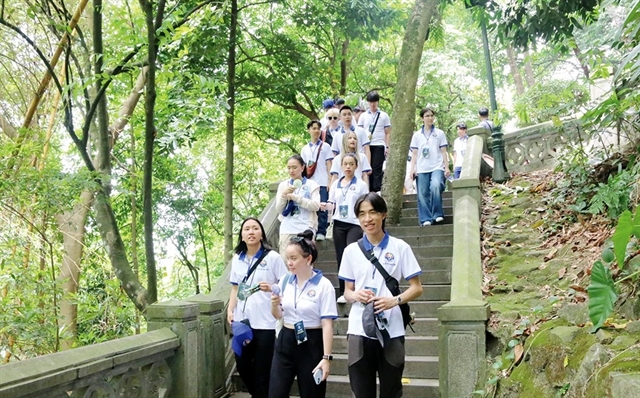
Nguyễn Thị Hồng Thúy, deputy director of the Phú Thọ Department of Culture, Sports and Tourism, said the province's modern cultural landscape is shaped by the rich history of three regions.
“They are Phú Thọ, known for its worship of the Hùng Kings and Xoan singing; Vĩnh Phúc, renowned for its spiritual traditions, festivals and craft villages; and Hòa Bình, which preserves the distinctive values of Mường culture and the ancient Hòa Bình Culture,” she said.
“This cultural convergence has created a rich and diverse cultural identity while nurturing the distinctive qualities of the people of Phú Thọ."
According to Thúy, the defining qualities of the region's residents include patriotism, the traditional value of gratitude and remembrance of one's roots, solidarity, compassion, self-reliance, creativity, kindness, sincerity, friendliness and hospitality.
The tradition of honouring one's roots is reflected not only in rituals and festivals, but also in a sense of responsibility towards the community, a commitment to preserving heritage and an aspiration to contribute to the development of the homeland.
Meanwhile, close bonds among ethnic communities, mutual support and respect for cultural diversity form an important source of strength for the province.
With 33 ethnic groups living together, including ethnic minorities who account for more than a quarter of the population, Phú Thọ boasts a diverse and colourful cultural landscape.
From folk singing to the distinctive cultural traditions of the Mường, Thái, Dao, Mông, Cao Lan and Sán Dìu ethnic groups, each community contributes to the province’s shared cultural identity.
This diversity does not divide communities, but rather strengthens their bonds, fostering solidarity, mutual support and shared development.
Local traditional festivals such as the Hùng Kings’ Death Anniversary, the Mother Âu Cơ Temple Festival and the Tây Thiên Festival are not just cultural and religious activities, but also serve as spaces for nurturing national pride, community awareness and a deep-rooted sense of gratitude to ancestors.
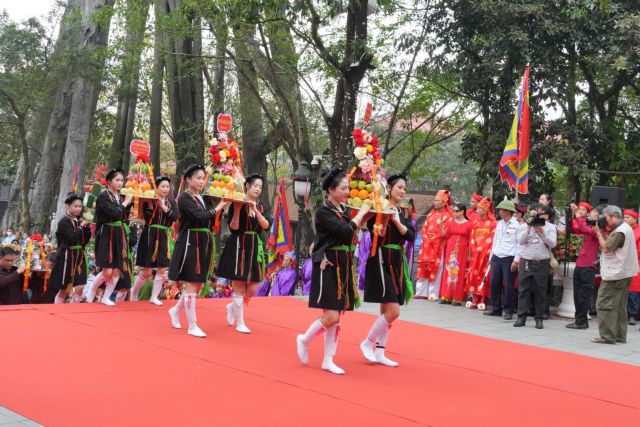
Passed down through generations, these values have been steadily preserved, becoming an enduring spiritual foundation in the lives of residents.
Alongside these qualities, kindness, sincerity, friendliness and hospitality are integral to the distinctive appeal of the people of this ancestral land. A destination may attract visitors with its landscapes, historical sites and festivals, but it is the courteous behaviour, genuine warmth and hospitality of local people that leave lasting impressions and make visitors want to return.
According to Thúy, the people of Phú Thọ today should build on their traditions of diligence and self-reliance, while embracing innovation and nurturing aspirations for progress.
At the same time, they should work to acquire new knowledge, enhance their capabilities and adapt to the demands of modern development.
In the province’s development strategy, people are both creators of culture and the ultimate beneficiaries of development. Building a well-rounded population that upholds the values of patriotism, solidarity, self-reliance, responsibility, innovation and compassion is vital to improving livelihoods and laying the foundation for sustainable development.
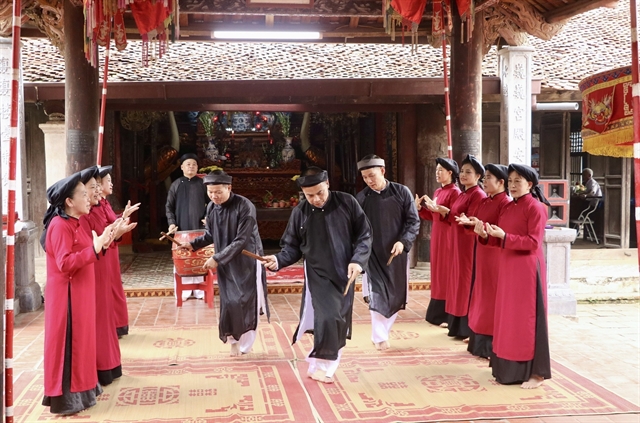
Phú Thọ places emphasis on fostering ethics and cultural values at home, in schools and throughout the community, building a healthy and civilised cultural environment and encouraging residents to play an active role in preserving traditional values.
Campaigns to promote cultural residential areas, together with efforts to encourage civilised behaviour and neighbourhood solidarity, help make these positive values an integral part of modern life.
Resolution 17-NQ/TU issued by the provincial Party Committee on cultural and human development for the 2026–2030 period sets out a development orientation that places culture and people at the centre.
It recognises them as the spiritual foundation, an endogenous source of strength and a driving force for socio-economic development and international integration.
The resolution also provides a basis for inspiring aspirations to contribute, fostering creativity and strengthening each resident’s sense of responsibility towards their homeland.
Preserving and promoting heritage values along with developing sustainable tourism is one of the province’s key goals.
Phú Thọ continues to focus on safeguarding cultural heritage, historical and cultural relic sites and the cultural identities of its ethnic groups.
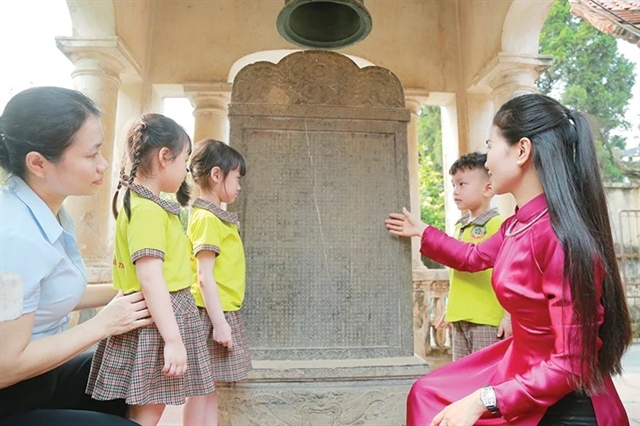
At the same time, the province seeks to promote the values of its prominent heritage assets, including the worship of Hùng Kings, Xoan singing, Mường culture, Hòa Bình culture and the Tây Thiên Mother Goddess worship.
From the Hùng Kings Temple Historical Site and Tam Đảo – Tây Thiên to Hòa Bình Lake, Xuân Sơn National Park and various community-based, eco-tourism and cultural destinations, the province’s distinctive assets are creating opportunities to link heritage with tourism products.
In this way, heritage is both preserved and transformed into a resource for development, generating livelihoods for local people and helping promote the province’s image.
Alongside these efforts, Phú Thọ is promoting the application of science and technology and digital transformation in the cultural sector. The province is stepping up heritage digitisation and developing innovative ways to present cultural assets to broaden public access, particularly among younger generations and international audiences.
To promote the image of Phú Thọ and its people, the province plans to expand international cooperation, promote cultural diplomacy and diversify communication activities, artistic exchanges, exhibitions and cultural and sports festivals.
The 2026–2030 plan to hold the Phú Thọ Cultural Days event outside the province and host Foreign Cultural Days in Phú Thọ is aimed at strengthening cultural exchanges and promoting the province’s distinctive identity.
In this process, local people play a central role. They are not only custodians who preserve and pass on heritage, but are also directly involved in developing tourism products and creating a welcoming cultural environment.
Every artisan, tourism worker and resident at a destination can become a cultural ambassador, sharing stories of the history, customs, lifestyles and people of the Ancestral Land with visitors in a sincere and friendly manner. — VNS
