Weather:
- Ha Noi 19oC
- Da Nang 23oC
- Ho Chi Minh 29oC
Trần Như
Home to multiple cultural and historical heritage destinations offering ecological escapes, resort experiences and community-based tourism, Phú Thọ is tapping into its expanded geographical and cultural assets to diversify its tourism offerings and strengthen its destination brand.
Standing out among the province's tourism assets is the Hùng Kings Temple historical relic site, a special national relic associated with the worship of Hùng Kings and the Vietnamese people's tradition of paying tribute to their ancestors.
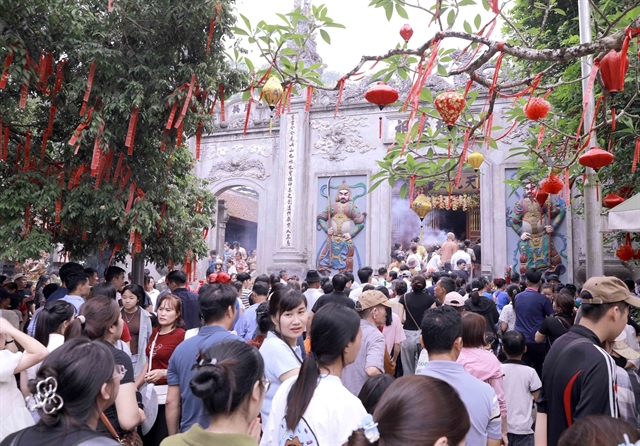
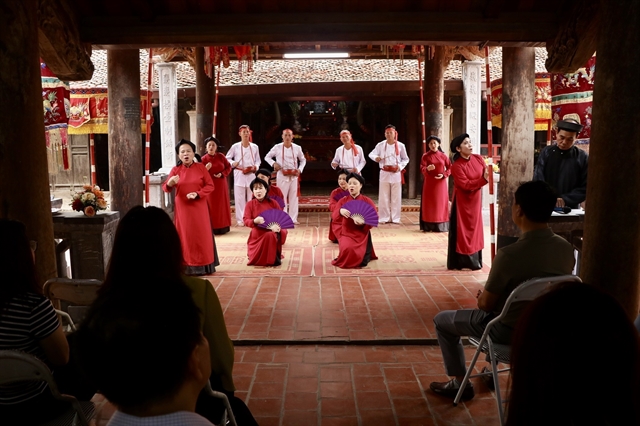
The locality also possesses the Xoan singing heritage, an Intangible Cultural Heritage of Humanity, along with the cultural landscape of the Ancestral Land, which together offer tourism products deeply rooted in history and culture.
At Hùng Lô ancient village, visitors can explore traditional communal house architecture, learn about local customs, enjoy Xoan singing performances and discover traditional cuisine. Combining visits to historical sites with immersive experiences of heritage in community life is helping transform cultural values into a resource for tourism development.
In the midland and mountainous areas, natural landscapes and the cultural life of ethnic minority communities offer diverse opportunities to develop distinctive tourism products. Long Cốc tea hills, with their undulating rows of hills and scenery that changes with the seasons, are emerging as an increasingly popular destination among visitors.
Xuân Sơn National Park also holds considerable potential for developing eco-tourism, nature exploration and community-based cultural experiences. Its natural landscapes and traditional villages provide favourable conditions for a range of tourism products, including sightseeing, trekking, biodiversity discovery, leisure stays and experiences of local life.
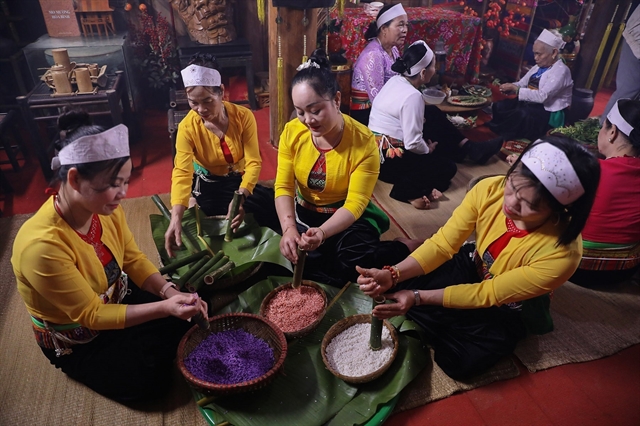
In areas rich in Mường, Dao and Thái cultural traditions, developing homestays and showcasing local cuisine, handicrafts, folk arts and traditional practices offer ways for residents to participate directly in the local activities. This approach not only generates livelihoods but also helps preserve cultural values as an integral part of community life.
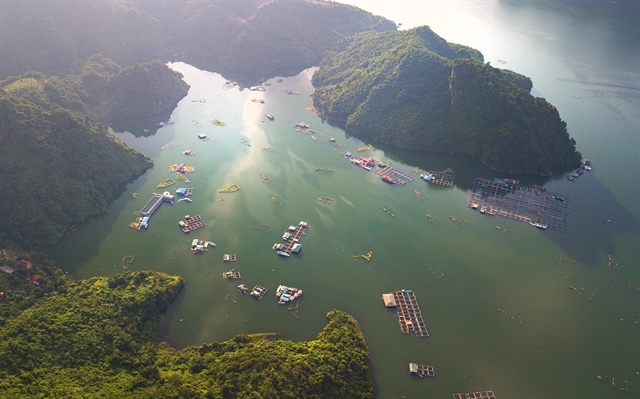
The province's northwestern tourism area also benefits from the attractions of Hoà Bình Lake and Mai Châu, with their scenic reservoir landscapes, traditional villages, ethnic cultures and water-based recreational activities.
Meanwhile, Thanh Thủy is well positioned to develop hot mineral spring tourism, wellness retreats and health care services, while the Tây Thiên scenic complex and Tam Đảo offer potential for spiritual, ecological and mountain resort tourism.
This diversity creates opportunities to link different tourism products into integrated itineraries, such as combining visits to Hùng Kings Temple with cultural experiences in ancient villages, hot spring relaxation in Thanh Thủy, or further exploration of Tây Thiên, Tam Đảo and the cultural landscape around Hòa Bình Lake.
Tourism promotion
According to a report by the provincial People's Committee, Phú Thọ is estimated to have welcomed 14.25 million tourist arrivals in the first 10 months of 2026, up 9.62 per cent year-on-year, including about 4.46 million overnight visitors.
Tourism revenue is estimated at VNĐ14.7 trillion (US$574 million), an increase of 11 per cent and equivalent to around 90 per cent of the annual target.
The province has issued a resolution on tourism development for the 2026-2030 period and approved the Phú Thọ Tourism Development Project for the same period.
Under this strategy, Phú Thọ aims to become a national centre for cultural and festival tourism, as well as a prominent destination in northern Việt Nam for spiritual and religious tourism, ecotourism and resort tourism.
By 2030, the province aims to welcome at least 20 million visitors, including about 7.8 million overnight visitors, and generate a total tourism revenue of VNĐ26.5 trillion ($1 billion).
To achieve these targets, key priorities include developing distinctive tourism products, establishing interconnected tourism routes, improving the quality of human resources, and mobilising the participation of businesses and local communities.
According to Bùi Xuân Trường, Deputy Director of the Phú Thọ Department of Culture, Sports and Tourism, the province is gradually standardising and integrating data, building digital databases and knowledge repositories, while continuing to digitise its cultural resources, heritage sites, festivals, traditional craft villages, scenic landscapes and tourist destinations.
Artificial intelligence is also being explored for applications in market analysis, demand forecasting and supporting management agencies in making decisions on tourism development, he added.
Alongside digital transformation, famtrips and press trips for travel businesses, journalists and media professionals are being given greater attention. These programmes allow participants to experience tourism products first-hand, assess service quality and explore opportunities for connecting tours and travel routes.
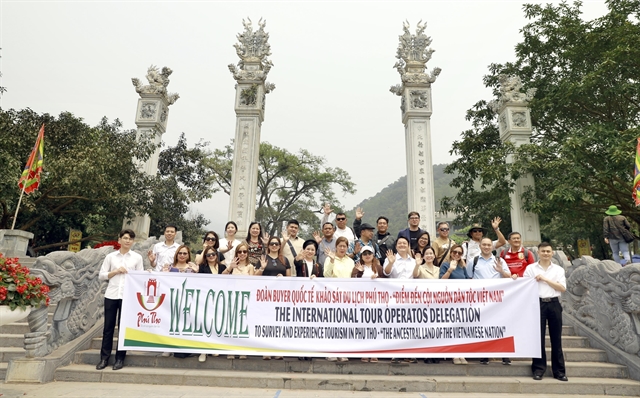
Tourism promotion activities are also being integrated with cultural events, festivals and regional exchange and cooperation programmes. They not only provide opportunities to preserve and promote traditional values but also serve as platforms for showcasing local tourism products, cuisine and specialities.
Through promotional programmes, trade fairs, exhibitions and business networking events, the province is gradually expanding cooperation with other localities, travel companies and media organisations, with a view to developing competitive inter-provincial and inter-regional tourism products.
In particular, incorporating OCOP (One Commune One Product) products, agricultural produce, handicrafts and local specialities into tourism activities is opening up new opportunities to connect culture, agriculture and services.
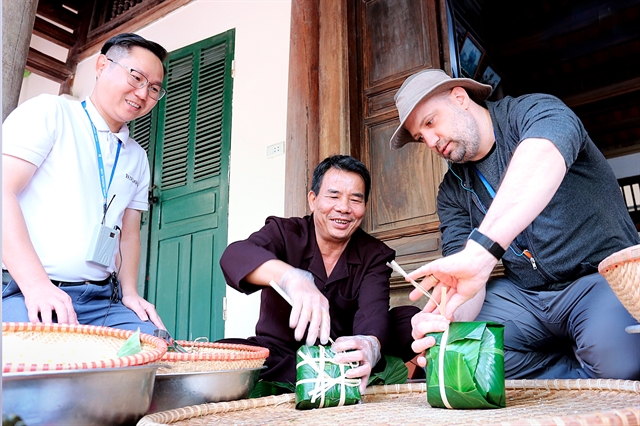
Visitors can not only explore scenic landscapes but also learn about production processes, sample local specialities, purchase souvenirs and take part in community-based experiential activities.
By making local residents key players in showcasing cultural values, providing services and developing tourism products, the benefits of tourism can be distributed more widely, helping create jobs, increase incomes and encourage the preservation of local cultural identity. — VNS
