Weather:
- Ha Noi 27oC
- Da Nang 26oC
- Ho Chi Minh 27oC
Tony Kuschert*
Trump’s Iran conflict is now approaching a month, and its impact has been felt globally, with oil supply reportedly cut by 20 per cent and many countries facing fuel shortages that disrupt everyday business. Yet oil is more than just fuel for cars, trucks and aeroplanes and this hidden risk could change the direction of Việt Nam forever.
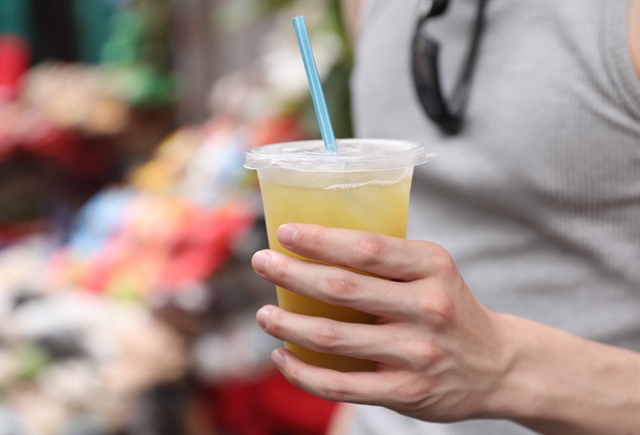
Coffee drinkers, milk‑tea consumers and street‑food regulars know that plastic vessels are a daily necessity. As a teacher, I commonly use up to three plastic cups a day, each with a lid, carry bag and straw. Plastic use in Việt Nam has long been considered excessive.
Reports suggest that in the two major cities of Hà Nội and HCM City alone, more than 6 million plastic cups are used daily. This does not include other items such as soda cups or plastic food containers.
The suggested reason for such high usage, at a time when many Western countries are sharply reducing theirs, is cost. To keep street‑food prices low, packaging must be extremely cheap.
In addition, the growth of manufacturing in Việt Nam has driven demand for raw chemicals and plastic packaging sharply upward over the past decade. Packaging is purpose‑built, robust and essential for reducing damage to goods transported globally.
However, plastic is one of the four main categories of products developed during oil refinement. Việt Nam currently imports around 70 per cent of its oil needs, which covers not only the fuel used in vehicles but also the base chemicals required to make plastic.
At the moment, newspaper reports indicate that Việt Nam has significant reserves and is undertaking a number of logical and solid decisions to ensure the country’s safe supply moving forward. In addition the country is blessed to have its own oil supplies across the country, particularly in the south.
There are some obvious facts for the remainder of 2026. Most notably, the damage to infrastructure in the Middle East, regardless of the length or severity of the conflict, will increase global demand for oil‑based products. It will never again be cheap to produce single‑use plastic cups and packaging.
And it is this part of the conflict that may change the streets of Việt Nam forever. We all know that street food, like coffee, is incredibly cheap, with a cà phê in the suburbs still available for VNĐ20,000. It will be impossible to maintain these prices if the cost of packaging doubles this year, which is a real possibility.
Globally, high‑turnover supermarket items rely on plastic as protective packaging because of just‑in‑time supply chain systems in developed countries. While it is great to get food from farm to table in just a few days, it comes with a cost that is about to rise significantly.
Beyond the obvious challenges of transportation, this year will bring a new beginning in consumer habits in Việt Nam and around the world as plastics become less available and alternatives must be found to maintain supply chains and to satisfy coffee lovers on the streets of Hà Nội and Hồ Chí Minh City.
This is not a bad thing from an environmental perspective. It is said that a single plastic coffee cup takes 50 to 75 years to break down. Climate and environmental activists have been calling for the removal of single‑use plastics for many years, and many countries, including Việt Nam, have taken steps to reduce their use.
This is actually supporting policies already in place in the country to remove some plastics in coastal provinces by 2030 and ever the Net Zero position by 2050. Less production of plastics supports both Government initiatives.
This conflict and the subsequent economic crisis will not end the use of plastics in food consumption. It will, however, fast‑track technologies to recycle and replace current cheap options around the world. And Việt Nam will see massive changes in the way we drink our coffee and eat our súp cua going forward.
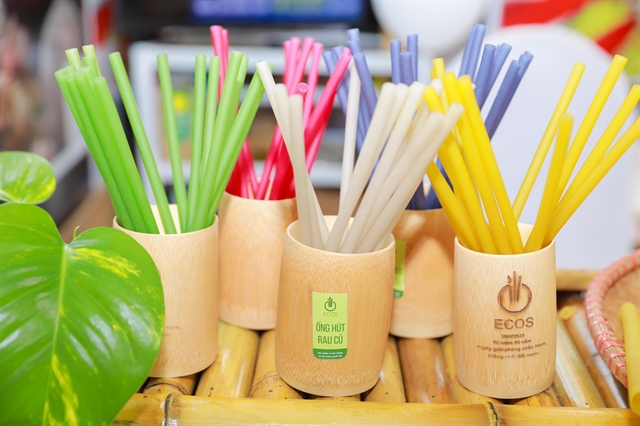
What can we do as consumers?
Cups and Straws
The idea of bringing your own reusable cup and straw became popular more than a decade ago in Australia. Technologies emerged that introduced collapsible cups and foldable metal straws, which quickly became an accepted part of the coffee scene in cities across the country.
When ordering your coffee, you hand over your cup. It is washed by the barista and used instead of the single‑use plastic cup offered by the café. It feels uncomfortable at first, but once you get used to it, it becomes a regular part of your day.
Shopping bags
Việt Nam has a real opportunity to show the world how well this can be done. Local markets are packed every day with shoppers buying the freshest meats and vegetables. This is the perfect situation where carrying your own bag can greatly reduce the number of single‑use plastic bags needed in the city each day.
Packaging
Companies in Việt Nam and around the world also need to play their part by looking backwards to move forward. Recyclable products such as glass, wood and metal may cost a little more, but they are environmentally sound and may again become cost‑neutral as plastic packaging costs rise globally. The fact is that there will be less oil, and that will result in less available packaging of all types of plastics.
What is obvious is that doing nothing and expecting the consumer market to remain as it has been for the past generation is simply not possible. Low‑cost products will soon be priced out of reach for factory workers, students and low‑income earners. We must get ahead of the curve and find solutions before this hidden impact hits us in a few months.
Looking along the streets of HCM City, I can see there will be a little pain and a lot of change, but the new culture will retain the core aspects of Việt Nam: great coffee, great food and great people. It will simply come with less reliance on single‑use plastics. — VNS
*Tony Kuschert shares videos on his YouTube channel, An Aussie in Việt Nam. Since 2013, he has lived and travelled in Việt Nam, sharing cultural experiences with the world.
