
Tourism in the north-western province of Điện Biên is showing clear signs of revival in the opening days of 2026, reflecting efforts to realise the resolution of the 15th Provincial Party Congress, which identifies tourism as a spearhead economic sector.
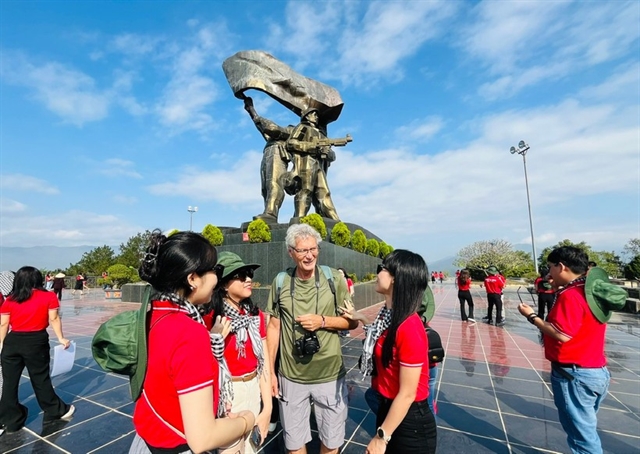
Tourists visit the Điện Biên Phủ Victory Monument, which was built to commemorate the 50th anniversary of the Điện Biên Phủ Victory. — VNA/VNS Photo
ĐIỆN BIÊN — Tourism in the north-western province of Điện Biên is showing clear signs of revival in the opening days of 2026, reflecting efforts to realise the resolution of the 15th Provincial Party Congress, which identifies tourism as a spearhead economic sector.
The resolution for the 2025–2030 tenure outlines a strategy to develop tourism alongside the preservation and promotion of ethnic cultural and historical values, while tapping natural strengths and gradually shaping a distinctive northwestern tourism ecosystem. On that basis, the province has rolled out programmes and action plans focused on upgrading infrastructure, diversifying tourism products, developing historical, community-based and eco-resort tourism, and strengthening regional linkages. These are seen as a solid foundation for Điện Biên’s tourism development, particularly in 2026.
For years, transport connectivity was considered one of the biggest barriers. However, the network linking Điện Biên with neighbouring provinces and major economic hubs has improved, especially in aviation. The continued maintenance and expansion of air routes, including flights between HCM City and Điện Biên, are regarded as a major boost, opening new source markets and reducing travel time from the southern region.
Trần Hải Hà, Acting Director of the provincial Department of Culture, Sports and Tourism, said the sector is working to turn the resolution into reality through carefully designed products, events and promotional campaigns geared towards sustainable development.
A key shift, he said, is that the province is no longer focusing solely on increasing visitor numbers but also on developing distinctive products, enhancing the visitor experience and extending length of stay. This creates added value while ensuring benefits flow to local communities.
Businesses and residents are playing an increasingly active role. Soon after the resolution was issued, the provincial Tourism Association and travel firms began developing new tours linking Điện Biên with other northwestern destinations and major tourism hubs nationwide, particularly HCM City.
According to Phạm Văn Đông, owner of Mường Then Homestay in Thanh Nưa Commune, visitor flows are now more stable than in previous years, especially among families and young travellers. At the start of 2026, his homestay welcomed many groups from the south, with visitors praising the authenticity, cuisine and cultural activities, and many expressing a desire to return.
Rising awareness of community-based tourism is also helping preserve ethnic culture. Recently, communes such as Tìa Dình and Sam Mứn have hosted ethnic cultural and sports festivals, creating spaces for both heritage preservation and tourism engagement.
The year 2026 is expected to be a pivotal one, with a series of cultural and tourism events adding to the appeal of Việt Nam's westernmost province. Direct flights from HCM City and Hà Nội not only improve connectivity but also create opportunities to attract higher-spending travellers.
According to the local tourism sector, this blend of tradition and modernity, cultural depth and fresh visitor experiences is helping Điện Biên secure a stronger position on Việt Nam's tourism map. Around 80,000 tourist arrivals were recorded in the early days of 2026, a positive signal of the province’s growing appeal. — VNA/VNS