Weather:
- Ha Noi 30oC
- Da Nang 28oC
- Ho Chi Minh 32oC
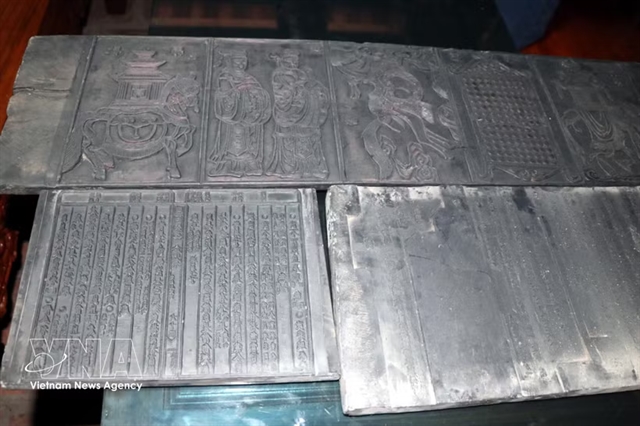
HẢI PHÒNG — Recognised as a National Treasure of Việt Nam, the woodblock collection at Trăm Gian Pagoda in An Phú Commune, the northern city of Hải Phòng is being preserved and promoted through heritage education and community outreach initiatives aimed at raising public awareness, particularly among younger generations.
A unique treasure of nearly 900 woodblocks
Originally built during the Lý Dynasty (1009-1225), Trăm Gian Pagoda has undergone several restorations over the centuries, particularly in the 19th and 20th centuries. With nearly 100 structures and a distinctive architectural layout, the pagoda once served as a major Buddhist centre, training monks and producing Buddhist scriptures and educational materials.
Today, the pagoda preserves 896 woodblocks, including 26 sets of Buddhist texts and several unidentified pieces. Crafted from durable persimmon wood known for its resistance to warping and cracking, the woodblocks vary in size depending on the texts they contain and have remained largely intact.
These original artifacts include sutras, religious laws, commentaries, petitions, talismans and other documents engraved during different historical periods. The oldest surviving woodblocks date back to 1750, during the reign of King Lê Cảnh Hưng.
While most of the collection is inscribed in classical Chinese characters, many woodblocks also feature Nôm (Vietnamese ideographic script), reflecting the multilingual traditions used in recording and disseminating Buddhist teachings in Việt Nam. The blocks were carved by highly skilled craftsmen from Thanh Liễu and Liễu Tràng villages, now part of Tân Hưng Ward. Some are decorated with Buddhist motifs, giving them significant artistic and aesthetic value.
Beyond Buddhist teachings, a number of woodblocks contain elements associated with Taoism and Confucianism, illustrating the historical blending of the three belief systems in Vietnamese cultural life.
The Hán (Chinese script) – Nôm (Vietnamese ideographic script) woodblock collection offers valuable documentary evidence of the development of Vietnamese Buddhism during the 17th and 18th centuries. Recognising its outstanding historical, cultural, religious and artistic significance, the Prime Minister officially designated the collection a National Treasure on January 18, 2024.
Linking heritage preservation with tourism development
In recent years, the pagoda and local authorities have paid particular attention to safeguarding the collection. The woodblocks are currently stored in specially designed steel cabinets that provide ventilation, enhance durability and reduce the risk of theft.
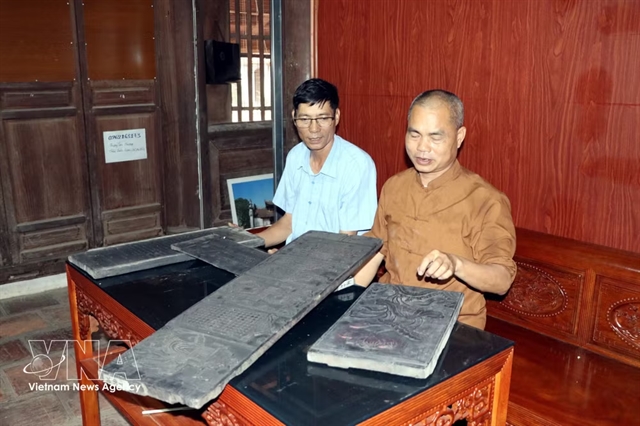
According to Venerable Thích Trúc Phương, abbot of Trăm Gian Pagoda, the Hải Phòng chapter of the Việt Nam Buddhist Sangha has consistently supported efforts to preserve and promote the site’s heritage value. The pagoda plans to organise training courses for monks and nuns from May to August, gradually restoring its historical role as a centre of Buddhist learning.
Local officials see the National Treasure designation as both an honour and a responsibility. Authorities are expanding heritage education programmes, encouraging student visits, strengthening promotion through social media, organising traditional festivals and displaying the woodblocks for residents and visitors.
However, challenges remain, including limited funding for preservation facilities and a shortage of personnel with specialised knowledge of the collection.
Looking ahead, local authorities hope the city’s culture, sports and tourism sector will support the digitisation of documents and artifacts and strengthen links with other heritage sites across Hải Phòng. Such efforts are expected to broaden public access to the collection, enhance awareness of its value and contribute to the development of cultural tourism. — VNA/VNS
