Weather:
- Ha Noi 27oC
- Da Nang 29oC
- Ho Chi Minh 29oC
Dr Jonathan Halevy*
Probiotics have become increasingly popular among parents – and for good reasons.
Research into probiotics is a rapidly growing and promising field, and we now understand more than ever how important the gut microbiome is for digestion, immunity and overall health, especially when choosing probiotics for children
However, one common misconception is that all probiotics work the same way. In reality, different probiotic strains have been studied for different health conditions. Choosing the right strain; and using it appropriately makes a significant difference.
Below is a practical, parent-friendly guide to help you understand which probiotic strains may be useful in common childhood situations, and how they are typically used.
Probiotics for gastroenteritis and acute diarrhea
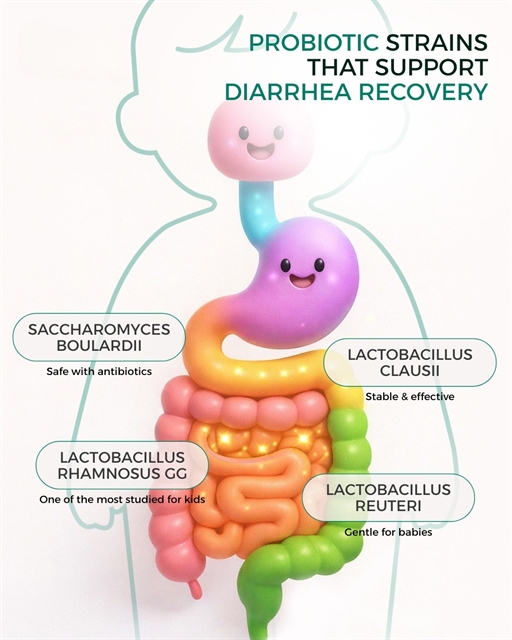
Acute diarrhea is one of the most common reasons parents consider probiotics for children. Certain strains have been shown to help reduce the severity and duration of diarrheal illness, especially when it started early.
Commonly recommended strains include Saccharomyces boulardii, Lactobacillus rhamnosus GG (LGG), Lactobacillus clausii and Lactobacillus reuteri.
These probiotics are usually available as powders, capsules, or liquid drops. Saccharomyces boulardii is a yeast-based probiotic, which means it is not affected by antibiotics and can be used safely alongside them.
For best results, probiotics should be started as soon as symptoms appear.
Using probiotics while taking antibiotics
Antibiotics can disrupt the natural balance of gut bacteria and may lead to diarrhea or stomach discomfort. In these cases, probiotics for children can help reduce this risk.
Strains commonly recommended during antibiotic treatment include Saccharomyces boulardii, Lactobacillus rhamnosus GG (LGG), and Lactobacillus clausii.
To be effective, probiotics should be given at least two hours apart from the antibiotic dose, allowing them to survive and work properly in the gut.
Probiotics for preventing eczema and allergies
Some probiotic strains may help reduce the risk of eczema and allergic conditions, particularly in children with a personal or family history of atopy (such as eczema, asthma or food allergies).
The most studied strains in this area include Lactobacillus rhamnosus GG (LGG), Bifidobacterium breve, and Bifidobacterium infantis. These are often found in infant-specific probiotic products, available as drops, powders, or sachets that can be mixed with breast milk or formula.
Probiotics for infant colic
Infant colic – characterised by excessive crying, gas, and discomfort – can be distressing for both babies and parents. Certain probiotics strains have shown benefit in reducing symptoms.
Lactobacillus reuteri is commonly recommended and is often sold as drops specifically marketed for colic. Lactobacillus rhamnosus GG (LGG) may also help some infants.
These probiotics are typically given daily until symptoms improve, which often occurs by three to four months of age.
Probiotics and lactose intolerance
For children who experience bloating or discomfort after consuming dairy products, probiotics may help with lactose digestion.
Strains such as Lactobacillus acidophilus and Streptococcus thermophilus are naturally found in yogurt and fermented dairy products. Choosing yogurts labeled 'live active cultures' can support digestion, although probiotics in food are generally supportive rather than a treatment for severe lactose intolerance.
Functional abdominal pain and Irritable Bowel Syndrome (IBS)
Some children experience ongoing abdominal pain without an identifiable medical cause. In these cases, probiotics for children may help regulate gut function and reduce discomfort.
The most studied strains for functional abdominal pain and IBS include Lactobacillus rhamnosus GG (LGG) and Bifidobacterium infantis. These are usually taken daily and are available as sachets or capsules.
Reducing recurrent respiratory or urinary tract infections
Probiotics may also play a role in supporting immune health and reducing the recurrence of certain infections.
Lactobacillus rhamnosus GG (LGG) and Lactobacillus clausii are commonly recommended and are widely available in pharmacies. Daily use may help lower the frequency of infections in some children.
Probiotics for general immune support
For everyday gut and immune health, strains such as Lactobacillus rhamnosus GG (LGG) and Lactobacillus reuteri are commonly used. These probiotics are suitable for infants, children and adults, and are available in drops, powders, and chewable forms.
An important reminder for parents
While probiotics are generally safe, they are not one-size-fits-all. Always consult your pediatrician before starting long-term probiotic use, especially for newborns, children with chronic illnesses or children with known or suspected immune system disorders.

Your doctor can help you choose the appropriate strain, dosage, and duration based on your child’s individual needs. — Family Medical Practice

*Dr Jonathan Halevy is one of the most knowledgeable paediatricians at Family Medical Practice, with years of international training and experience. A graduate of Tel Aviv University’s prestigious Sackler School of Medicine, he has honed his expertise in pediatric care across diverse medical environments. From routine wellness visits to managing complex medical conditions, Dr Halevy’s meticulous approach and deep understanding of child health have earned him the trust of countless families. His ability to connect with both children and parents ensures a supportive and reassuring experience, delivering care that meets the highest international standards.
FMP Healthcare Group operates medical centres in major cities including HCM City, Hà Nội and Đà Nẵng, offering consultations with international doctors, check-up centres and emergency ambulance services.
To book an appointment with Dr Jonathan Halevy, please contact our FMP clinic at Diamond Plaza, 34 Lê Duẩn, Sài Gòn Ward, HCM City, via phone at +84 28 3822 7848 or email hcmc@vietnammedicalpractice.com.
In HCM City, we have clinics in Districts 1, 2, and 7, along with the Care 1 - Executive Health Check-Up Centre and internationally accredited *9999 emergency ambulance services.
