Weather:
- Ha Noi 19oC
- Da Nang 23oC
- Ho Chi Minh 29oC
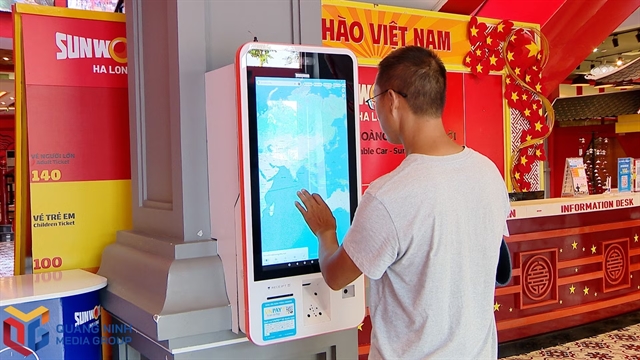
QUẢNG NINH — Digital technology is changing the way tourists access information, book services and explore destinations. In Quảng Ninh, its growing use in tourism is helping improve visitor services, streamline management and connect attractions with local businesses.
The province is promoting digital transformation in the sector as part of efforts to implement Politburo Resolution No 57-NQ/TW dated December 22, 2024, on breakthroughs in science and technology development, innovation and national digital transformation. It aims to build a smart tourism ecosystem that makes better use of data while improving the visitor experience.
E-tickets, digital maps and online payment systems are among the tools being introduced at tourism sites. These services allow visitors to find information, make bookings, and arrange their itineraries more easily. Tourism authorities and businesses can also use visitor data to monitor demand and adjust their services.
According to Nguyễn Quyết Tâm, chairman of the Board of Directors of VietISO JSC, Quảng Ninh has considerable potential for tourism development, but people remain a key factor in making digital transformation work.
He noted that free Wi-Fi was available in many areas and 5G coverage had created favourable conditions for the adoption of digital services. However, closer co-ordination among management agencies, the tourism associations and businesses was needed to develop solutions suited to the needs of local tourism operators and workers.
In Bãi Cháy Ward, a website and smart tourism application have been launched to provide information on attractions, restaurants, hotels and entertainment activities. Six free Wi-Fi hotspots have also been installed, while three additional mobile transmission stations have been put into operation.
At Sun World Hạ Long, technology has been incorporated into ticket sales, payments and visitor access. Tourists can buy tickets online, make electronic payments and enter through gates equipped with facial recognition technology, reducing waiting times. The Sun Paradise Land application provides maps and information on attractions, helping visitors find their way around and plan their activities.
Chinese visitor Fan Zi Yang said digital services had made travelling in a large group much more convenient, as e-tickets and facial recognition allowed visitors to enter simply by scanning a code, eliminating the risk of losing traditional paper tickets.
At Yên Tử, QR codes allow visitors to look up information, book tickets and make online payments. Electric transport, accommodation and dining services are also gradually being connected. The Management Board of Hạ Long Bay – Yên Tử World Heritage Site is piloting AI-powered cameras to support monitoring, manage visitor flows and improve safety. Data from electronic ticketing also helps managers keep track of visitor numbers and organise reception.
Hoàng Văn Hải, general manager of Legacy Yên Tử – MGallery, said technology enabled the resort to better understand guests' preferences and service histories, allowing staff to provide more personalised care when they returned.
Quảng Ninh is working towards a shared data system linking destinations and tourism service providers. Information on accommodation, transport, restaurants, sightseeing tickets and visitor activities will be standardised and regularly updated. Businesses are also being encouraged to apply artificial intelligence to customer support, itinerary suggestions and service recommendations.
Other priorities include digitising heritage documents, developing digital maps and providing multilingual interpretation services at attractions. Training tourism workers in digital skills and ensuring data security are also part of the process.
For Quảng Ninh, the challenge is no longer simply introducing technology but making different systems work together. Better connections between attractions, transport, accommodation and other services will help visitors plan their trips more easily while giving businesses and management agencies a clearer picture of tourism demand. — VNS
