Weather:
- Ha Noi 28oC
- Da Nang 26oC
- Ho Chi Minh 24oC
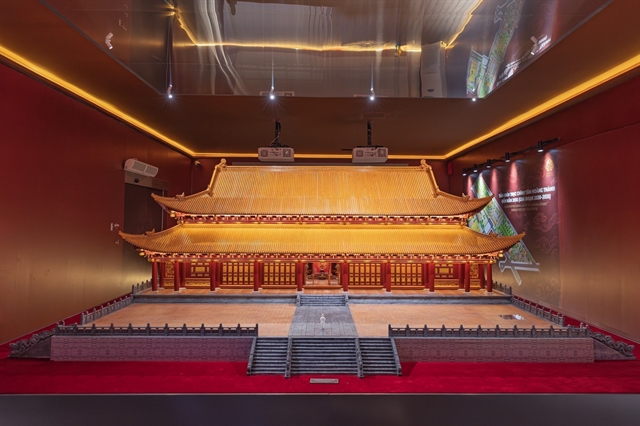
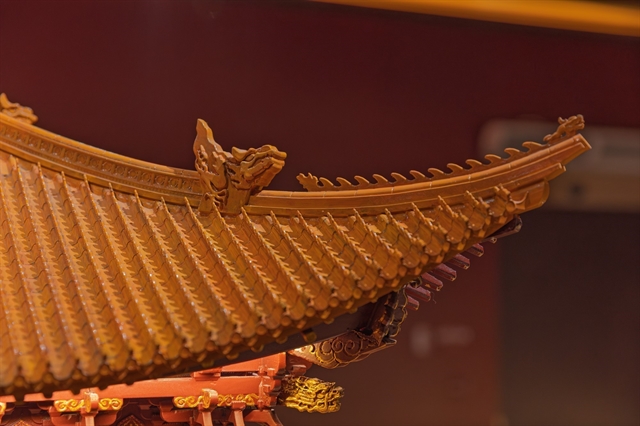
HÀ NỘI — The ground-breaking ceremony for the restoration of Kính Thiên Palace was held on September 29, marking a milestone in preserving and promoting the Thăng Long Imperial Citadel’s historical and cultural value and enhancing awareness of its international heritage.
The ceremony took place as Việt Nam hosted the Asia-Pacific Dialogue on Heritage and Authenticity from September 27 to October 1, following 15 years of continuous archaeological research and international cooperation.
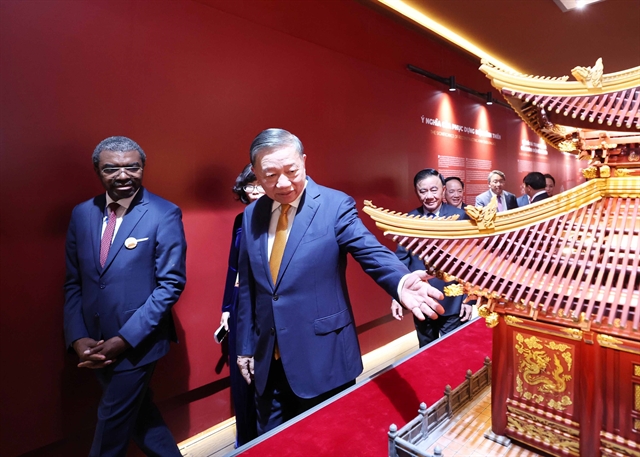
Party General Secretary and State President Tô Lâm and a high-ranking delegation attended the ceremony at Thăng Long Imperial Citadel.
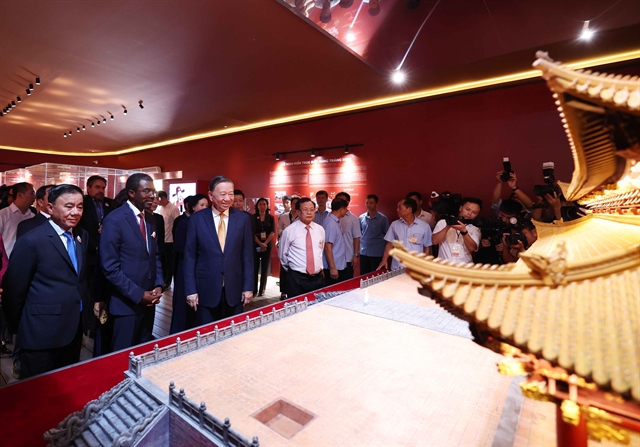
"The Thăng Long Imperial Citadel was inscribed as a UNESCO World Heritage Site in 2010 for its outstanding universal value, reflecting more than 13 centuries of continuous development as a national centre of power, evidenced by overlapping cultural layers and surviving architectural remains," said Vũ Đại Thắng, chairman of the Hà Nội People’s Committee.
"Hà Nội sees heritage conservation as an integral part of its development strategy, balancing its growth as a modern metropolis with its identity as a capital with a thousand-year cultural legacy.
"In its long-term vision, Hà Nội sees culture, identity and creativity not only as values to preserve, but also as resources for development. As the capital modernises and grows, the Kính Thiên Palace project offers a concrete way to maintain its historical continuity, linking Thăng Long’s past with Hà Nội’s present and future," Thắng said.
According to Đại Việt Sử Ký Toàn Thư (The Complete Annals of Đại Việt), construction of Kính Thiên Palace began in 1428 under King Lê Thái Tổ and was completed under King Lê Thánh Tông. The palace was one of the most important buildings in the citadel and hosted major diplomatic and political events under the Lê dynasty.
After October 10, 1954, when Vietnamese troops took over Hà Nội following the end of the First Indochina War, the site was used as an office by the Ministry of Defence. In 2024, the ministry handed part of the site over to the city administration.
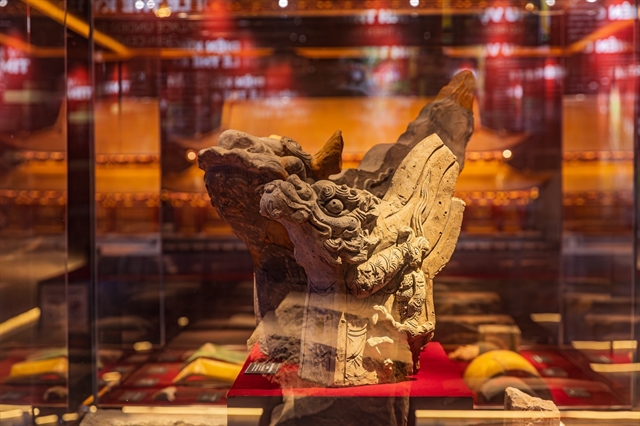
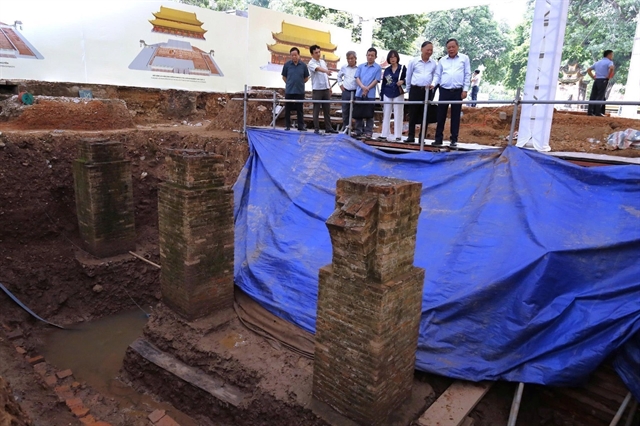
Recently, the centre announced findings from archaeological excavations at the Kính Thiên Palace site, which uncovered six metres of stratigraphic layers showing evidence of human activity. The oldest layer dates back around 1,300 years, providing new insights into the capital’s long history.
Researchers said the excavation revealed the deepest and most complete stratigraphic sequence of Thăng Long – Hà Nội’s history discovered to date.
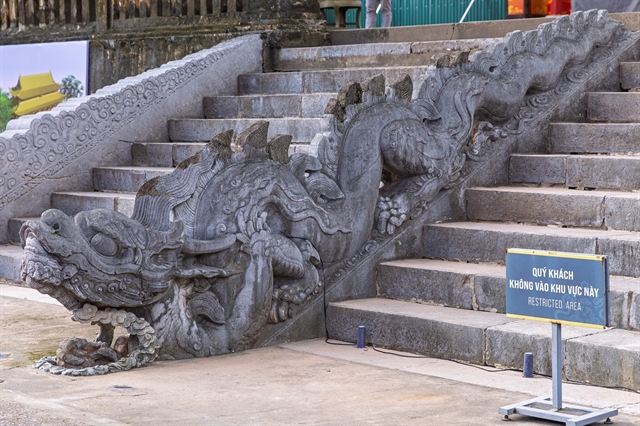
The restoration of Kính Thiên Palace fulfils longstanding expectations, helping visitors visualise the centre of royal power that is now largely in ruins.
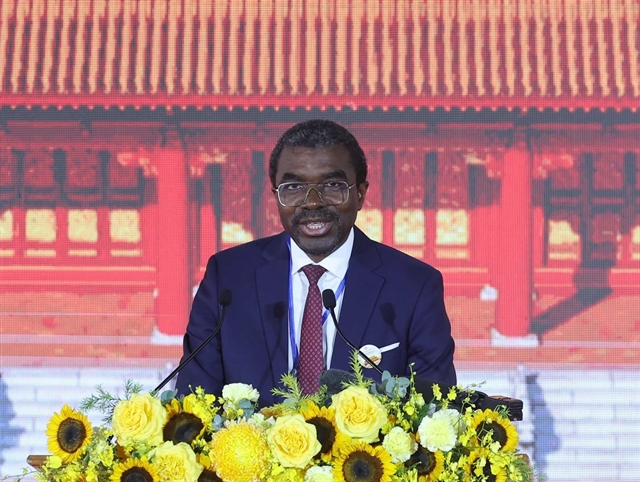
At the ceremony, Lazare Eloundou Assomo, director of the UNESCO World Heritage Centre, praised the Thăng Long Imperial Citadel as a site of profound significance to Việt Nam’s heritage and identity, as well as a remarkable testament to humanity’s shared past.
Inscribed on the UNESCO World Heritage List in 2010, the Thăng Long Imperial Citadel reflects more than 1,000 years of Thăng Long – Hà Nội’s history through its outstanding historical, cultural, archaeological and architectural value.
The restoration of Kính Thiên Palace and its surrounding space is a key step in carrying out the vision for the Thăng Long Imperial Citadel’s central axis to 2035, within Hà Nội’s 100-year master plan. — VNS