Weather:
- Ha Noi 30oC
- Da Nang 28oC
- Ho Chi Minh 32oC
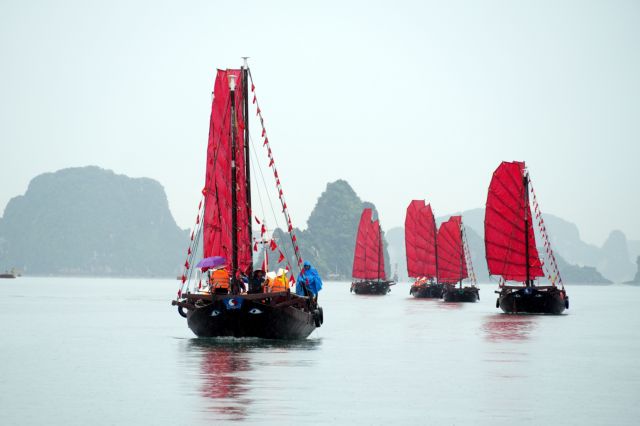
QUẢNG NINH — A new cultural tourism experience featuring traditional three-plank sailing boats was officially launched in Hạ Long's Hồng Gai Ward on June 29, bringing the iconic red sails back to the UNESCO World Heritage site.
The new product is jointly operated by Quảng Ninh Waterway Passenger Transport JSC and Vietnam Sightseeing, giving visitors the opportunity to explore Hạ Long Bay aboard vessels that were once an integral part of local fishermen's daily lives.
The initiative revives a distinctive maritime tradition deeply rooted in the cultural identity of Quảng Ninh's coastal communities.
During the initial phase, six traditional sailing boats were put into service. Each vessel was handcrafted by artisan Lê Đức Chắn at his workshop in Liên Hòa Ward, Quảng Ninh Province, based on historical designs that preserve generations of indigenous boat-building knowledge and seafaring skills.
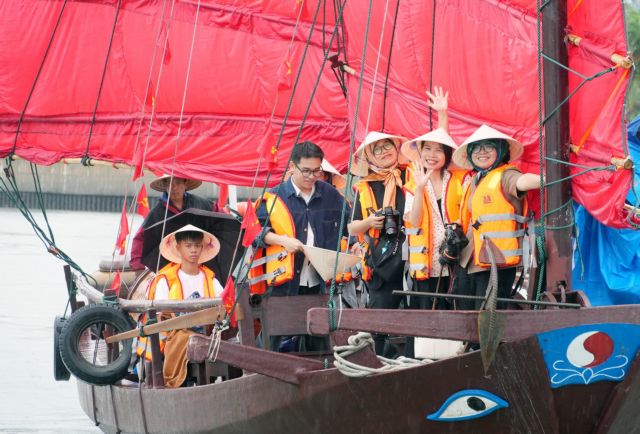
Director of Vietnam Sightseeing Nguyễn Tất Hiếu said the company plans to expand the fleet to 10 boats in the near future. The service will operate daily from 8am to 5pm.
To celebrate the launch, visitors will receive a 30 per cent discount during the first week, with tickets priced at VNĐ200,000 (about US$7.60) per person.
The traditional three-plank sailing boat, known locally as thuyền ba vách, has long been associated with fishing communities in Quảng Ninh, particularly in the Quảng Yên area.
Built from three main wooden planks — one forming the bottom and two making up the sides — the vessels feature two distinctive batwing-shaped sails that allow them to travel efficiently even against the wind.
Organisers believe the authentic design offers visitors a far more immersive cultural experience than conventional sightseeing cruises, allowing them to better appreciate the region's maritime traditions.
The sightseeing route follows the shoreline of Hạ Long Bay, departing from the Quảng Ninh Waterway Passenger Transport pier near Hạ Long Market No 1 before heading towards the Quảng Ninh Museum and Library along the Bài Thơ Bridge waterfront.
Speaking at the launch ceremony, Director of the provincial Department of Culture, Sports and Tourism, Nguyễn Việt Dũng, praised the companies for investing in a tourism product that combines cultural preservation with visitor experiences.
He said sustainable tourism development must go hand in hand with safeguarding local heritage and pledged continued support through favourable policies and promotional activities to ensure the product operates safely and effectively.
Authorities hope the model will inspire similar heritage-based tourism products that revive traditional occupations, create new livelihoods for local communities and enrich visitors' experiences.
Plans include organising traditional sailing boat races on Hạ Long Bay and developing souvenirs inspired by the historic vessels.
Quảng Ninh aims to welcome 22.5 million visitors in 2026 and generate more than VNĐ68.5 trillion (approximately $2.6 billion) in tourism revenue. Expanding culturally distinctive experiences such as the three-plank sailing tour is expected to enrich visitors' experiences, encourage longer stays and further diversify the province's tourism offerings.
The initiative also reflects the goals set out in the Politburo’s Resolution No 80-NQ/TW, which calls for culture to become a driver of sustainable development and a source of national soft power. — VNS
