The train brought its premium services to guests representing national tourism agency managers and travel enterprises from across the country. The participants provided feedback and assessed connectivity between Ninh Bình and the attractions along the train route. They also discussed plans to develop and...
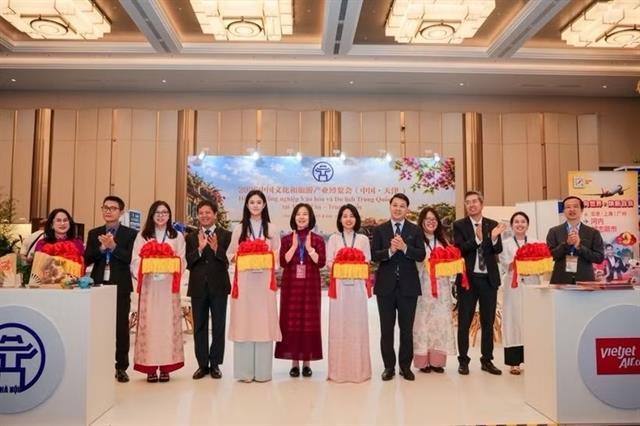
China is currently Việt Nam’s largest source market for international tourists. In the first seven months of 2026, approximately 3.08 million Chinese visitors travelled to Việt Nam. Hà Nội welcomed about 461,400 Chinese visitors staying overnight, making China one of...
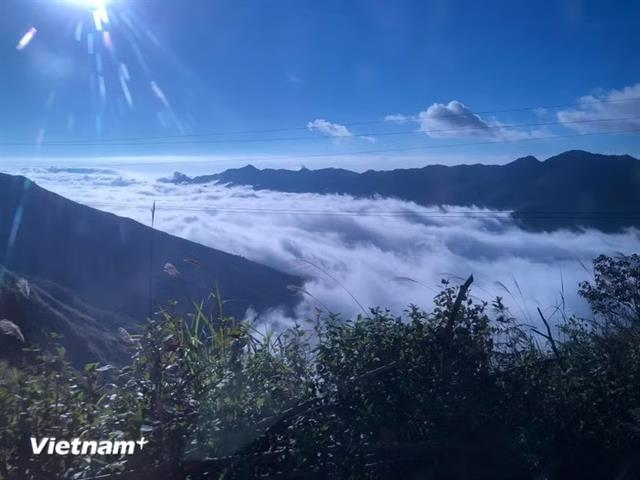
Tà Xùa is rolling out a campaign titled “Bringing Tà Xùa to the world” and aims to establish the image of “Tà Xùa - a sea of clouds, majestic nature and Mong cultural identity” during the 2028-30 period.
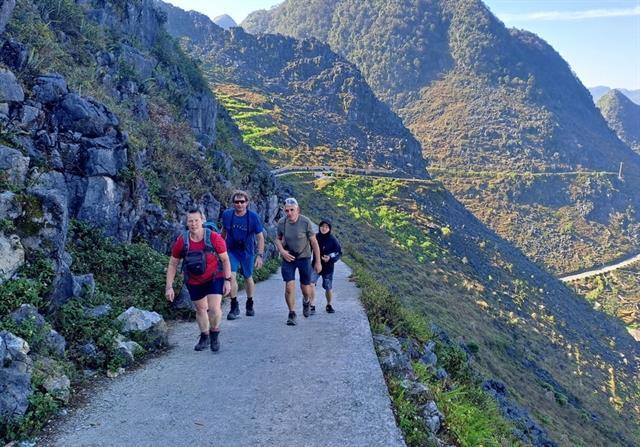
Tuyên Quang''s ultimate goal is to elevate the UNESCO Global Geopark Đồng Văn Karst Plateau into a national tourist hub by 2030, positioning the province as a leader in sustainable tourism that honours traditional cultural identity while ensuring long-term prosperity.
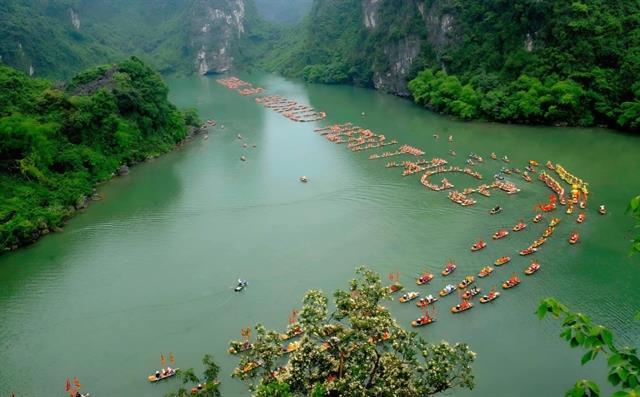
The complex has become Việt Nam’s ninth world heritage site and second trans-provincial heritage site, following Hạ Long Bay - Cát Bà Archipelago, which spans the northern province of Quảng Ninh and Hải Phòng City.
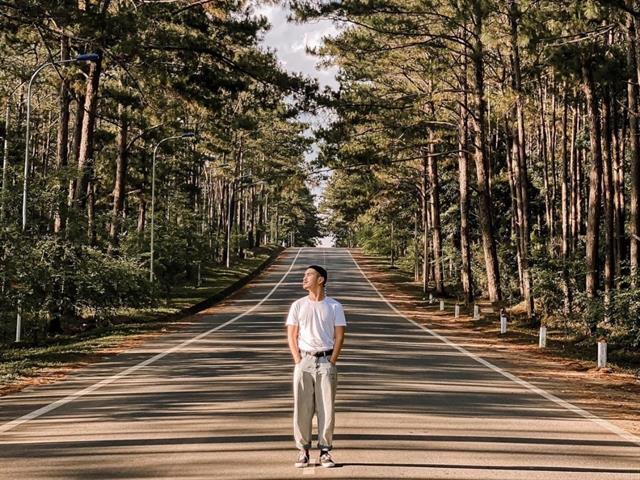
This enchanting town, with its endless pine forests and refreshing climate, offers a serene escape, inviting visitors to slow down and embrace the tranquil rhythm of life. Măng Đen is more than just a destination — it’s a sanctuary for...
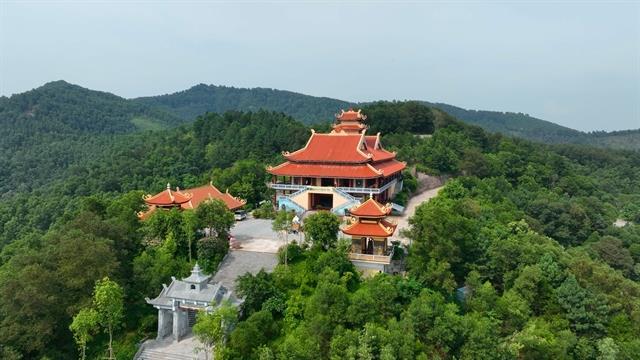
Bắc Giang is a treasure trove of stunning landscapes and historical relics, reflecting the deep cultural heritage of Kinh Bắc. The city itself lies a mere 50km from Hà Nội, accessible via the modern expressway and a network of national...
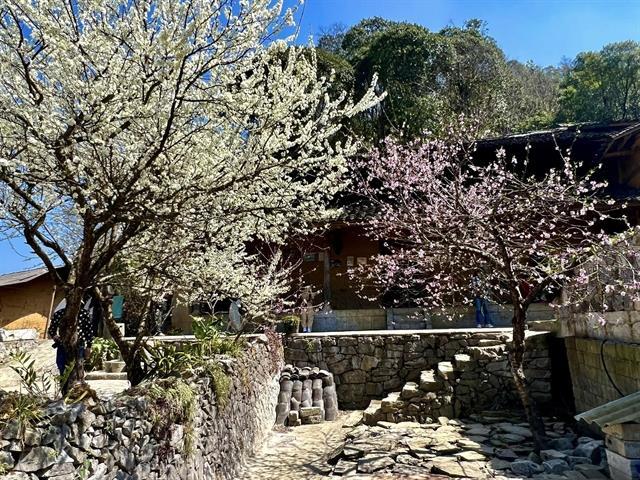
As spring unfolds, Hà Giang transforms into a tapestry of colours, with radiant peach, pear and plum blossoms painting the landscape. The ethnic villages, rich in cultural identity, come alive with exciting festivals early in the year.
The Xên Đông festival, known as the forest worship ritual, of the Thái residing in Nghĩa Lộ Town in the northern province of Yên Bái, has been recognised as a national intangible cultural heritage.