Weather:
- Ha Noi 28oC
- Da Nang 25oC
- Ho Chi Minh 27oC

The beach city of Đà Nẵng has successfully organised HORECFEX Việt Nam, a technology and innovation forum for the hotel and tourism sectors, for three consecutive years. Nguyễn Đức Quỳnh, chairman and founder of HORECFEX Việt Nam, tells Việt Nam News about the event.
What impact has HORECFEX Việt Nam had in Đà Nẵng?
The most significant impact of HORECFEX Việt Nam is its role as a platform connecting the tourism-hospitality industry with technology, knowledge, innovation and the supply chain.
We did not set up HORECFEX as a technology event, but it was formed around four key terms: Knowledge, Technology, Supply and Connections.
HORECFEX is not just an exhibition of robots, AI, software or new equipment, but visiting businesses can explore management, operations, human resources, sustainable development, F&B, wellness, hotel investment strategies, destination brand development or adaptation to market changes.
HORECFEX also creates a rendezvous for stakeholders operating in different sectors of tourism businesses, hotels, suppliers, technology companies, universities, experts, professional associations and regulatory bodies.
However, the forum is just in its initial stage, and it will turn ideas at HORECFEX into practical projects in future editions.
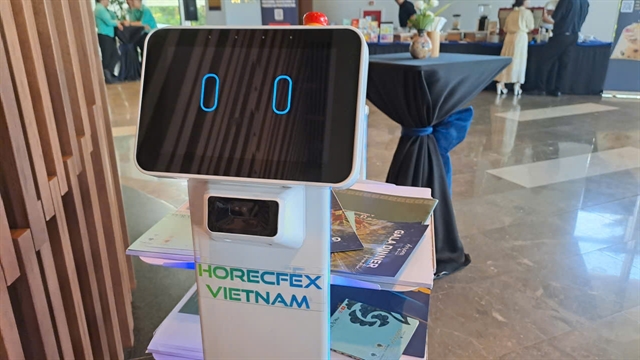
What about investment in technology among travel businesses in Việt Nam?
Hospitality businesses have been speeding up technology applications, but investment has yet to be comprehensive.
Big companies have made considerable progress in terms of technology adoption in serving international clients, including Online Travel Agencies (OTAs), Customer Relationship Management (CRM), electronic payments, digital marketing, social media, chatbots, data analytics, dynamic pricing and AI.
Meanwhile, many small and medium-sized-enterprises (SMEs) still rely on existing applications such as websites, Facebook, TikTok, Zalo or basic sales and management software in their operations.
They face challenges in digital transformation in building customer data, sales, marketing, operations, finance and management systems for decision-making. However, true digital transformation only happens when a business makes decisions based on data and technology.
The biggest gap today is the difference between buying technology and using technology effectively among businesses, and HORECFEX aims to deal with it.

Are travel businesses in Đà Nẵng going digital?
Đà Nẵng’s tourism industry has been promoting the AI Chatbot Danang Fantasticity to support tourists with information and consultations; the Đà Nẵng Digital Tourism Map, VR360, digital mapping and destination database systems.
The technological tools help integrate the traveller's entire journey – before, during and after the trip to Đà Nẵng and central Việt Nam.
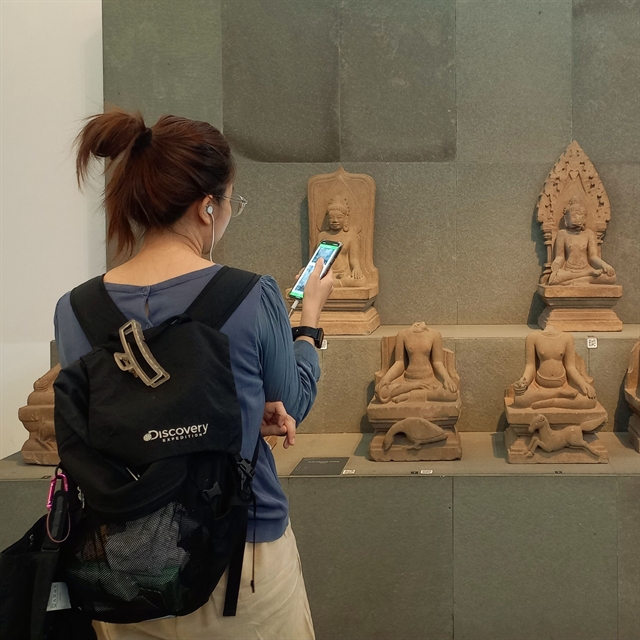
The AI Museum Assistant by the AIAIVN company has been used to support tourists in exploring information and enhancing their experiences at destinations and museums.
Another solution, iConcierge, developed within the HORECFEX ecosystem in partnership with AnhTris Holdings, has been deployed at Furama Resort Danang and Furama Villas Danang – a beachfront tourism complex – and expanding its connection to Hội An ancient town.
The remarkable feature of iConcierge is that it serves as a digital assistant that helps tourists connect with everything from accommodation services to transport, dining, sightseeing, culture and local experiences.
The digital solution marks a shift in travel technology from "information" to "assistance", and advances toward "personalisation". It provides data to offer AI-powered support and, finally, personalises the itinerary for each traveller.
In the future, a MICE traveller, a family with young children, a golfer or a tourist interested in culinary arts, heritage and craft villages will not necessarily receive the same content. AI can understand each person's needs, travel schedule, preferences and context to propose a more tailored itinerary.
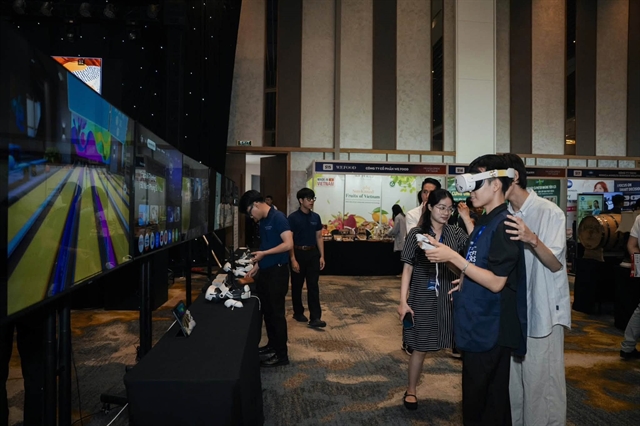
Technology can serve as a "digital thread" connecting the tourism ecosystem from Đà Nẵng to Hội An and other destinations, craft villages, communities and mountainous areas. It will ease pressure on traditional destinations, while offering more options and tourism experiences for tourists and benefits for local communities.
What are the biggest challenges with technology investment in tourism?
First is the investment cost and the return on investment (ROI) equation. Technology changes very rapidly, while businesses, especially SMEs, always consider their investment budget and return on investment.
Second is system fragmentation. A hotel might use a Property Management System (PMS), Customer Relationship Management (CRM), Point of Sale (POS), channel managers, revenue management, accounting and loyalty systems. However, if these systems do not communicate smoothly with each other, the business can end up with a bulk of data but lack data-based analysis for decision-making.
Third is people. Digital transformation is not a project exclusive to the IT department; it requires changing the mindset and workflow of the entire organisation.
Fourth is data security and privacy. As businesses leverage AI to personalise customer experiences, their responsibility to protect customer data becomes significantly greater.
And finally, the pace of change. Today's cutting-edge technology can become outdated in just a few years, so businesses should not try to keep up with rapidly changing technologies all the time. Travel businesses need to review how technology supports them and whether it will create more revenue or reduce costs. They also need to consider whether their staff are ready to use technology.
Can you suggest ideas on tech-based sustainable tourism development?
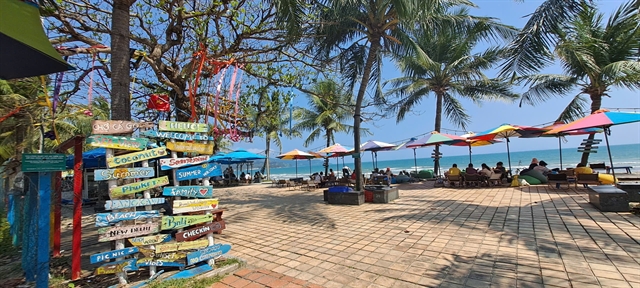
We need to shift our mindset from "applying technology to tourism" to "building a data-driven tourism ecosystem". A destination needs to understand where visitors are coming from, what they are searching for, how they spend money, how they move around and what satisfies them or causes them difficulties. Management of data can help businesses recognise tourist flows before designing products and market them more accurately.
AI and personalisation technology can help build a unique Đà Nẵng for each specific target group: families with young children, MICE travellers, golfers, wellness tourists, gastronomes, heritage and craft tourists and those interested in community-based tourism.
Data can help reduce the pressure of mass tourism, while improving the management of energy, water and waste. It can guide visitors to local communities, craft villages, regional products and new destinations.
Digital transformation will help create better experiences for tourists, higher productivity for businesses, better incomes for workers and more sustainable value for local communities.
It’s also the spirit that HORECFEX has been pursuing since it debuted in Đà Nẵng in 2024 by boosting connections between knowledge, technology, supply and people to enhance the competitive advantage of Vietnamese tourism. — VNS
