Weather:
- Ha Noi 32oC
- Da Nang 34oC
- Ho Chi Minh 30oC
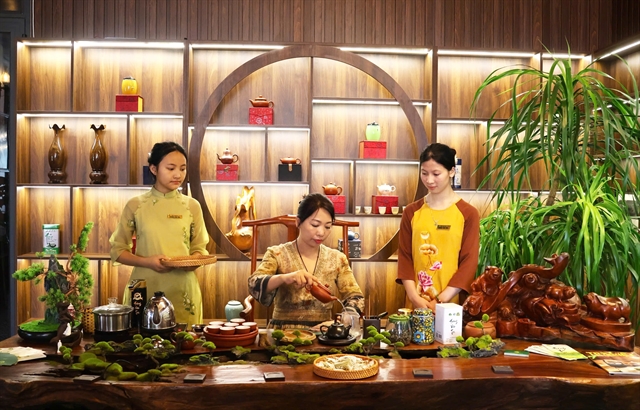
THÁI NGUYÊN — Authorities in Thái Nguyên Province plan to compile a scientific dossier as part of a proposal to add Thái Nguyên's tea culture to the National List of Intangible Cultural Heritage in 2026.
Provincial agencies are working with consultants to conduct fieldwork and statistical analyses and collect other information in areas where tea is produced, as well as where traditional knowledge and practices related to tea culture are preserved.
This process will document how traditional knowledge is practised and transmitted, reflecting the cultural life associated with the tea plant and its products in Thái Nguyên.
In addition to collecting data and materials, the documentation process will involve compiling a heritage profile, recording the practices and transmission of the heritage, mapping its distribution and systematising the source materials.
These statistics will be analysed and evaluated to clarify the current status, distribution, practitioners and distinctive value of the heritage.
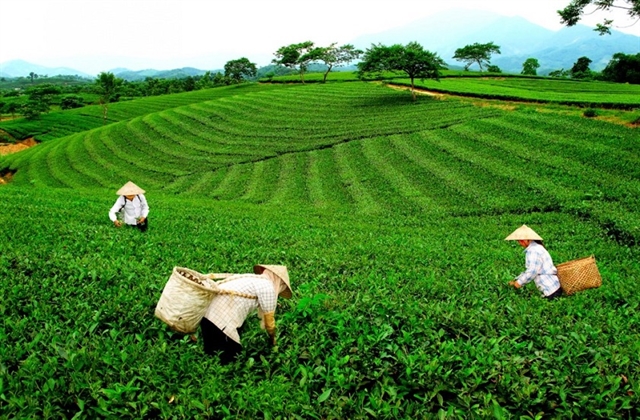
Considered the kingdom of Vietnamese tea, Thái Nguyên's most popular product is associated with the traditional knowledge formed through cultivation, processing and tea appreciation, as well as the transmission of expertise.
According to the provincial authorities, the scientific dossier will serve as the basis for proposing that the Ministry of Culture, Sports and Tourism consider including Thái Nguyên tea culture on the National List of Intangible Cultural Heritage.
The move would uphold the outstanding value of the tradition and the need to protect, preserve and pass it down within the community.
This will lay the groundwork for State management and the formulation of programmes and policies to conserve the heritage, sustainably promote the unique values of tea culture in connection with tourism development and traditional education, and enhance the image of Thái Nguyên and its people. — VNS
