Weather:
- Ha Noi 27oC
- Da Nang 26oC
- Ho Chi Minh 27oC
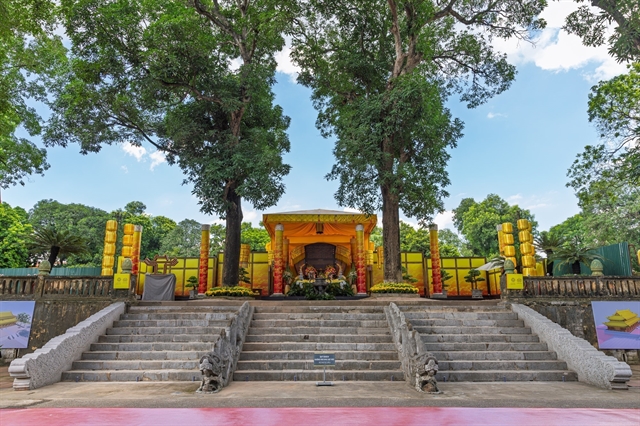
Located in the heart of Hà Nội, the Thăng Long Imperial Citadel has a history spanning more than 1,000 years.
The complex is closely associated with the history and architecture of the Vietnamese capital and is considered a symbol of the country and its successive dynasties.
Today, the heritage site is also a cultural tourism destination, where historical values are introduced through exhibitions, cultural activities and new tourism products.
Exploring a thousand-year heritage
The Imperial Citadel was established in the 11th century after King Lý Thái Tổ moved the capital from Hoa Lư to Đại La and renamed it Thăng Long in 1010.
Under the Lý, Trần, Lê, Mạc and Nguyễn dynasties, Thăng Long served as the country’s political, cultural and ideological centre. Different architectural remains, artefacts and cultural layers found at the site reflect its long history.
Although few structures have survived intact, foundations, archaeological traces and architectural remains show the continuity of the political centre of the country over 13 centuries.
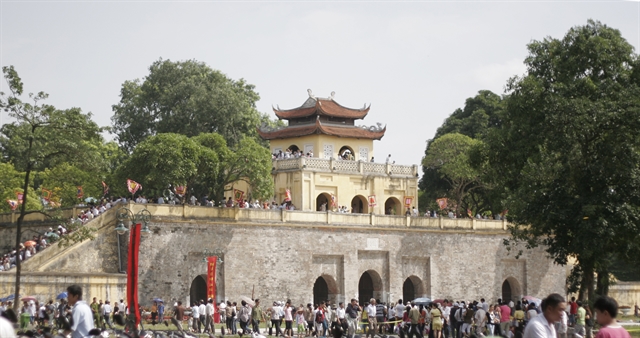
In 2010, the Central Sector of the Imperial Citadel of Thăng Long was recognised by UNESCO as a World Heritage Site.
Visitors today can explore a number of important sites within the complex, including Đoan Môn, the main gate that once formed part of the route taken by the king to enter the royal court; Kính Thiên Palace, the political centre of the Lê court, of which only the foundation remains; Bắc Môn; the D67 house and bunker, which served as a command base of the Ministry of Defence during the war against the US; the Top-Secret Cryptographic Bunker; and the Hà Nội Flag Tower.
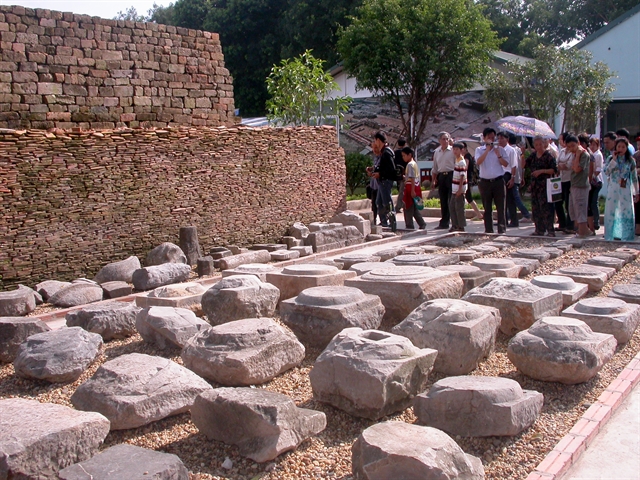
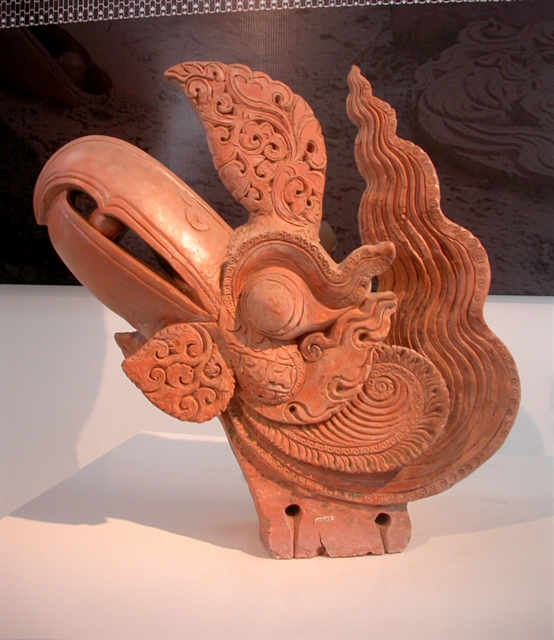
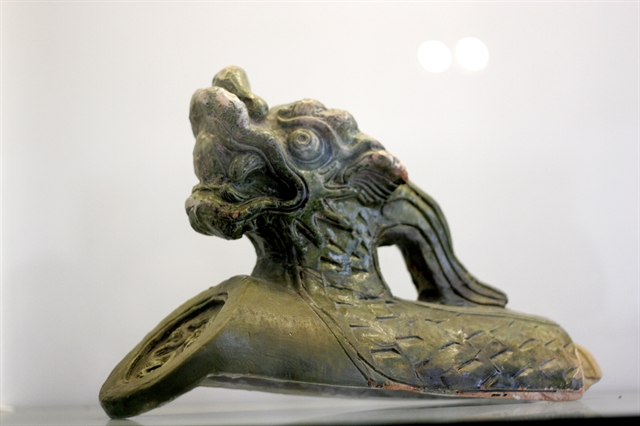
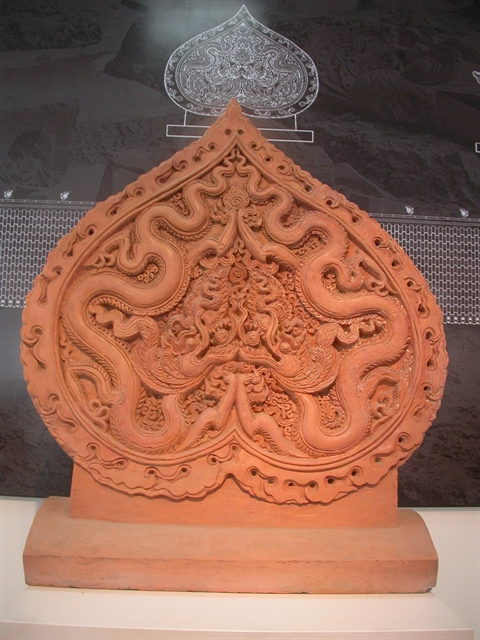
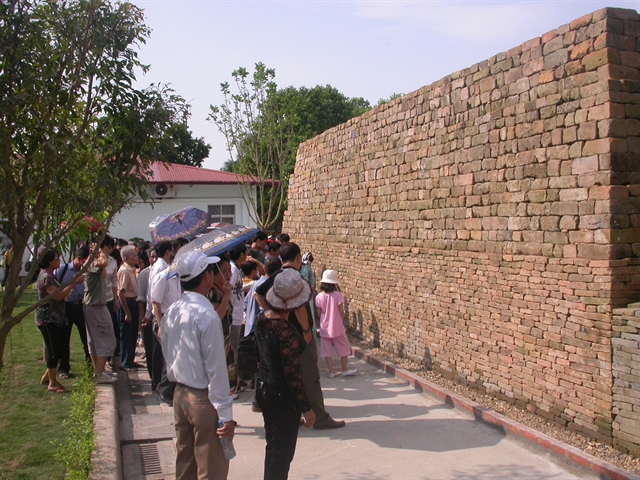
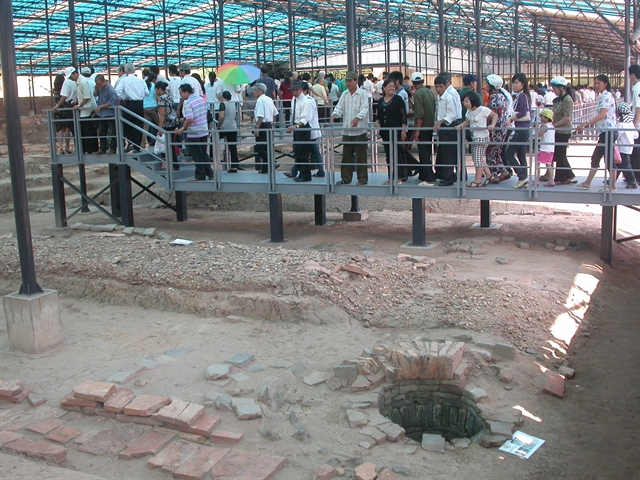
The archaeological site at 18 Hoàng Diệu is another important part of the complex. Thousands of artefacts and traces of foundations have been unearthed there, including bricks and tiles, as well as ceramics.
The discoveries tell the story of one of the most prosperous capitals in medieval Southeast Asia.
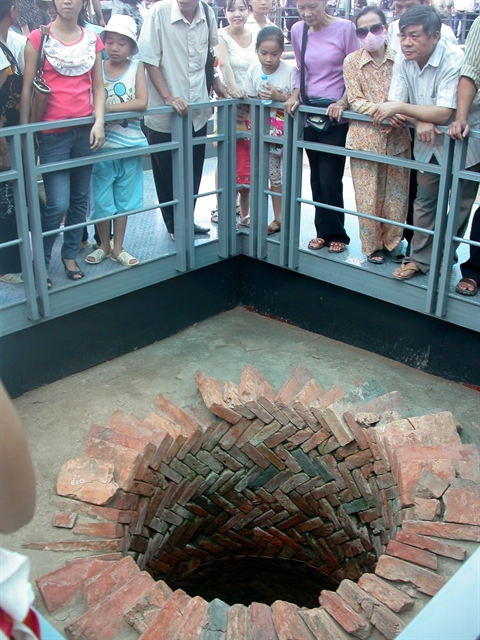
Visitors can also draw water from an ancient well dating from the Trần dynasty. Stories surrounding ancient wells that remain full of clear water continue to attract visitors.
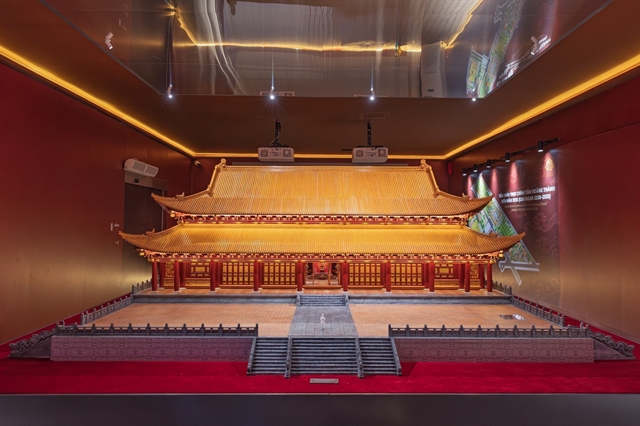
Kính Thiên Palace – the “heart” of citadel
Hà Nội has begun a project to conserve, repair and reconstruct Kính Thiên Palace, one of the most important sites in the Imperial Citadel.
The project is expected to contribute to the preservation and promotion of the heritage while helping history, architecture and royal court culture to be presented more clearly.
Kính Thiên Palace was the most important palace in the Forbidden City and a symbol of imperial power under the Lê dynasty from the 15th to the 18th centuries. It was the venue for major national ceremonies, including coronations, grand court ceremonies and receptions for foreign envoys.
According to the Đại Việt sử ký toàn thư (Complete Annals of Đại Việt), after defeating the Ming forces and restoring the country’s independence, King Lê Thái Tổ ascended the throne in 1428 and maintained Thăng Long as the capital.
The Lê dynasty built a new main palace on the foundations of palaces from the Lý and Trần periods and named it Kính Thiên, meaning “respecting heaven”. The name reflected the ruling philosophy and the idea of legitimacy before heaven and the people.
During the Lê sơ and Lê Trung Hưng periods, Kính Thiên Palace hosted major ceremonies, proclamations and appointments, as well as political, military and diplomatic affairs.
In front of the palace was the Đại Triều courtyard, where mandarins stood according to their ranks. The imperial route from Đoan Môn to Kính Thiên Palace formed the central axis of the citadel.
After more than 388 years, in 1816, King Gia Long built a royal residence on the site for Nguyễn emperors when they travelled to the North. In 1841, King Thiệu Trị renamed it Long Thiên Palace.
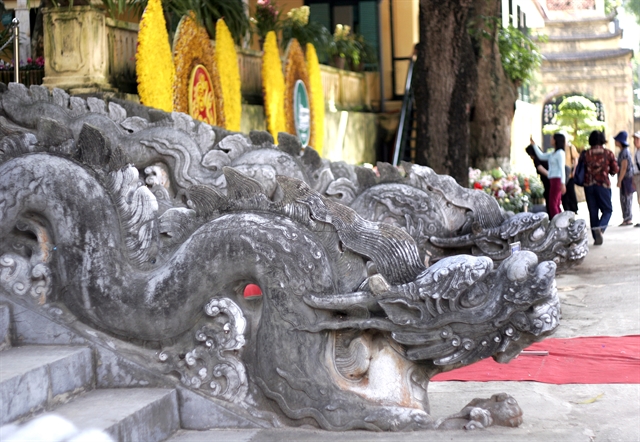
After the French took Hà Nội, Long Thiên Palace was demolished to make way for a French military building. The surviving stone staircase carved with dragons has since become a national treasure.
For years, researchers and the public have expected the palace to be reconstructed, as only ruins remain and visitors have difficulty imagining the former centre of royal power.
According to Nguyễn Thanh Quang, director of the Thăng Long-Hà Nội Heritage Conservation Centre, research has clarified the scientific basis for the reconstruction. Construction must preserve the archaeological layers underground and must not affect or cover the original architectural remains.
The reconstruction is also intended to help visitors better understand the heritage.
A destination for cultural highlights
The heritage site now hosts a range of cultural and tourism events, including the Cultures of the World Festival, Monsoon Music Festival, Hà Nội Tourism Áo Dài (traditional long dress) Festival and Hà Nội Phở (noodle soup) Festival.
The Thăng Long-Hà Nội Heritage Conservation Centre is introducing the ancient culture of Thăng Long in different ways through exhibitions, performances and recreated scenes. Three-dimensional technology is also used to recreate court rituals, including fan-giving ceremonies, the Chính đán ceremony and the Tống cựu nghinh tân ceremony.
The centre said it aims to preserve and promote the heritage through creative and innovative approaches, turning the site into a cultural, artistic and tourism centre and a familiar destination for domestic and international visitors.
Many new tourism products, including the night tour 'Decoding Thăng Long Imperial Citadel', have also been introduced.
Technology is being used in other ways to support visitors. Data on collected artefacts is being digitised, while multilingual automatic audio guides are available on smartphones. Visitors only need to tap the phone screen to access information about the history and sites.
With a focus on sustainable development, Hà Nội is continuing to plan, expand and restore the heritage area while connecting the Thăng Long Imperial Citadel with Cổ Loa, the Temple of Literature, Hoàn Kiếm Lake and the Old Quarter.
The connections are expected to form a distinctive chain of cultural and tourism spaces in the capital, while creating opportunities for Hà Nội to affirm its position as a “Creative City”, where culture is placed at the centre of development. — VNS