Weather:
- Ha Noi 12oC
- Da Nang 24oC
- Ho Chi Minh 31oC
Nguyễn Mỹ Hà
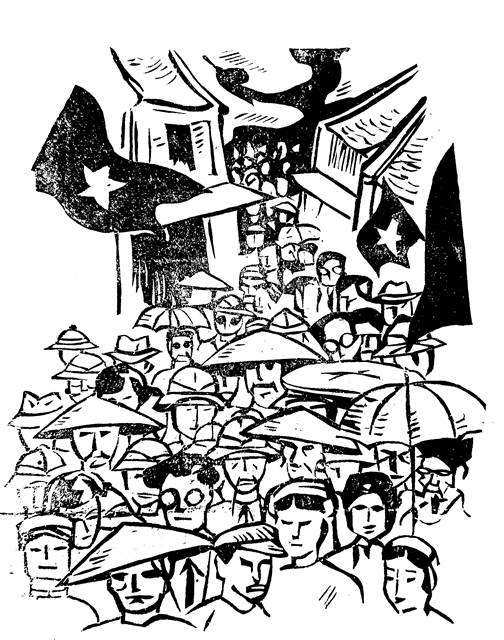
Eighty years ago this week, amid continued fighting in Sài Gòn and the Mekong Delta and disruptive efforts by the Việt Nam Quốc Dân Đảng (the Vietnamese Nationalist Party) in Hà Nội, the first-ever General Election for the National Assembly (NA) took place across the country.
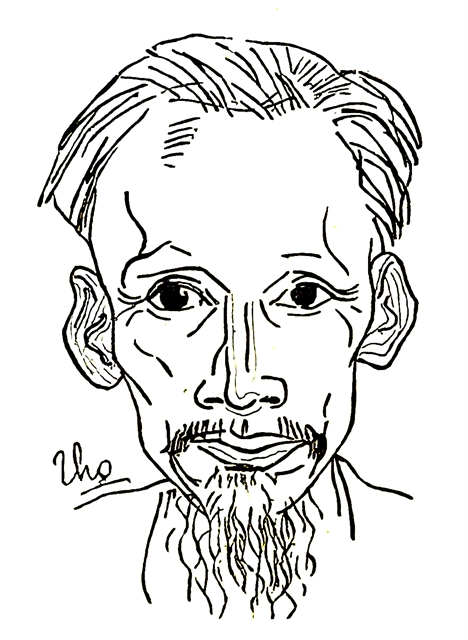
The turnout rate was high in major cities, with 333 delegates chosen. Almost 90 per cent of them were intellectuals, workers, farmers or revolutionary fighters. The list included 10 women and representatives of 34 different ethnic groups. President Hồ Chí Minh stood as a candidate in Hà Nội and won with 98.4 per cent of the vote.
At the time, Hồ Chí Minh penned an open letter to the entire population, calling on people to actively take part in voting, while also planting rice and raising cattle and poultry to help the nation overcome the ongoing famine. He encouraged the people to support the resistance by donating money and uniting to safeguard national independence and the democratic rights of the people.
An ongoing exhibition at the National Library in Hà Nội, open to the public, documents the period when the young democratic republic was in its infancy, facing numerous threats from those who sought to restore French rule, as well as from local supporters of colonial power.
A large percentage of the population, many of whom could barely read or write, joined intellectuals including doctors, teachers, lawyers, engineers and artists to turn out and cast their first-ever vote.
The actual date of the election had been postponed from December 23, 1945, to January 6, 1946. A guideline issued by Hà Nội Việt Minh City Committee told people to hoist national red flags with golden stars in the week leading up to election day, and to turn out to vote on the day itself. The committee also thanked the people in Hà Nội for their participation in the months of preparation leading up to the vote.
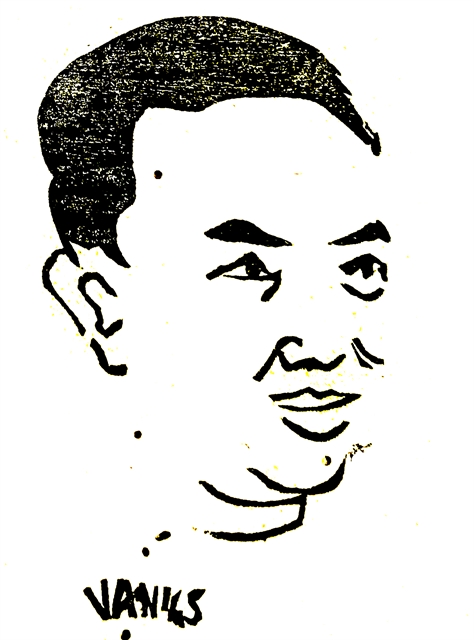
The Độc Lập (Independence) newspaper ran daily candidate profiles and interviews on its front page, accompanied by hand-drawn portraits sketched by artists.
Surgeon Tôn Thất Tùng was asked about his agenda if he won the election. "My agenda is first and foremost to win independence. When we achieve independence, I will step away from politics and return to my main profession,” he was quoted as saying.
Asked if he would like to add to proposals regarding the Constitution, he said, “Yes, of course. The health sector must develop in parallel with that of other countries. I have great hopes, because our people are well endowed in this field.”
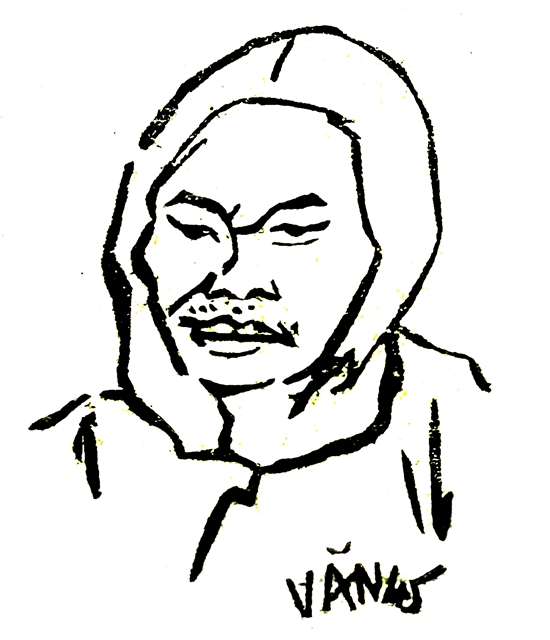
Senior Monk Nguyễn Thành Lai, also known as Tô Liên, was quoted speaking on his agenda to run as a NA candidate.
“We hope to turn meditation centres into schools, and for those who have left their families to become monks to serve as teachers, as is practised in Cambodia,” he said.
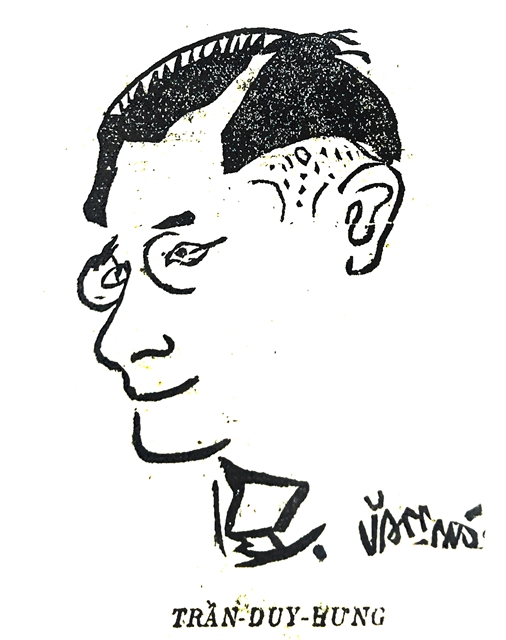
Lê Tùng Sơn said, "Thanks to national liberation on August 19, 1945, the National Assembly will bring freedom and happiness to our people. It shall pass the new Constitution, which will define the roles of the people and the government. The NA holds profound significance. I hope and trust that individuals with moral integrity and talent will be elected.”
Painter Nguyễn Đỗ Cung graduated from and then taught lacquer arts at the Ecole des Beaux Arts de l'Indochine. He also served as National Secretary of the Việt Nam Fine Arts and Craftsmanship in 1938.
Độc Lập wrote: "His life prior to independence was working for the arts only, but since then, he spared no efforts working tirelessly for newly-won independence, and believed it is the prerequisite demand for all citizens.”
Female candidates
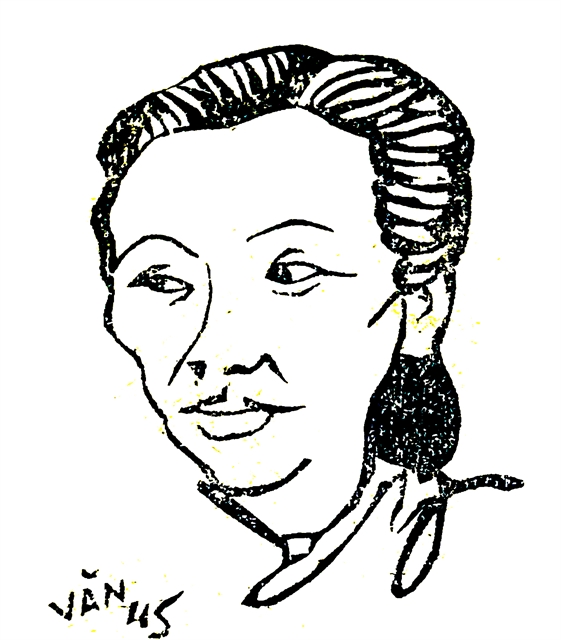
Born in Huế in a wealthy and patriotic family, Nguyễn Khoa Diệu Hồng was inspired by her family's tradition. Her father was a patriot who joined King Duy Tân's campaign to fight the dominating French in 1916 and 1926. He organised a massive memorial service in Tourane (today's Đà Nẵng) for Phan Chu Trinh, another patriot, rallying public opposition to French rule.
At her school, Hồng joined the Indochina Communist Party alongside other friends, including Nguyễn Thị Quang Thái, General Võ Nguyên Giáp's first wife. Her career as a teacher took her to Quảng Nam, and later to Hà Nội where she joined the Popular Front.
After graduating from high school, she took up a teaching job in Vinh City. Then she moved to teach at Đồng Khánh Girls School in Huế, but was later expelled from the school due to her patriotic prose in lectures.
As the first female member of the Democratic Party, during the days leading to the National Uprising meeting in front of Hà Nội Opera House on August 19, 1945, Hồng delivered speeches urging women to participate in national salvation activities. She was voted onto the Steering Committee of the City of Hà Nội's Democratic Party, in charge of the Women’s National Salvation Committee.
In a special Quốc Hội (National Assembly) newspaper edition dated January 6, 1946, President Hồ Chí Minh, then head of the interim government, was interviewed on his perspective about women taking part in social activities. Instead of answering directly, he posed a question in return: “What do you think?”
The reporter replied: “From my perspective, many women remain shy and reserved because they are not encouraged to attend meetings or speak their minds, or they are unaware such meetings exist. Others feel burdened by childcare responsibilities or do not know how to vote.”
The president then offered guidance on outreach efforts: “Even if women must care for children at home, tell them they need to vote for representatives who protect their rights. Soon, kindergartens will be established so they can send their children there and take part in social activities.”
The Quốc Hội special edition also ran a front page editorial, calling on women to vote.
“Do not waste this opportunity, a once-in-a-thousand-years chance. If we let it pass, we are merely shouting for our rights without taking action,” the editorial wrote.
"Fellow women friends, stand up now. Do not hesitate. If you hesitate today, you will bear responsibility for holding back our shared progress. Be brave and be strong." — VNS
